

19 November 2025 | Connected for Cohesion (Co4Co) is a cross-border cooperation initiative co-funded by the Interreg IPA South Adriatic 2021-2027 program. Implemented by CDI (Lead Partner), Albanian Railways, the Italian regions of Puglia and Molise, and Montenegro Railways, the project officially launched on 1 July 2025.
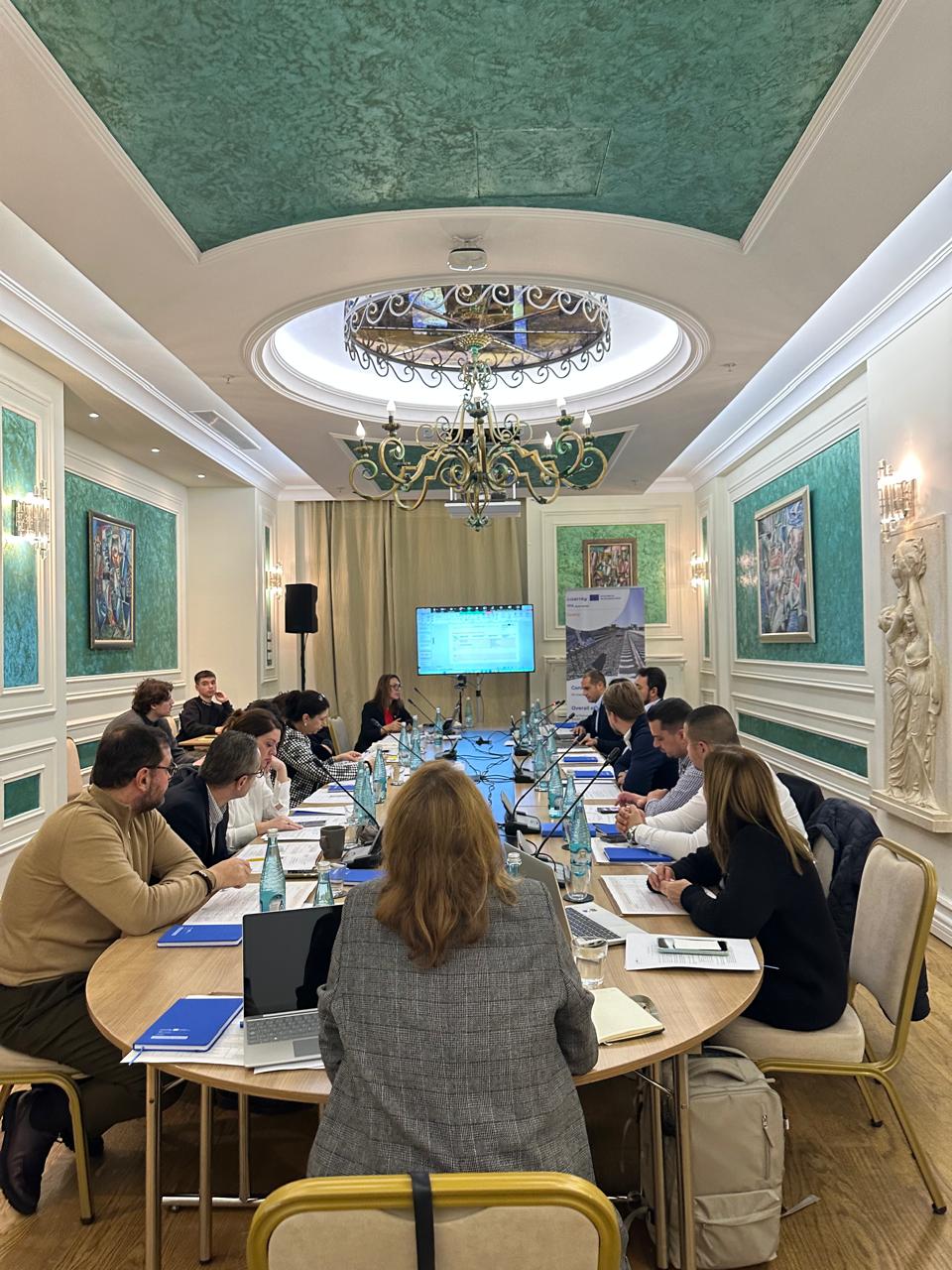
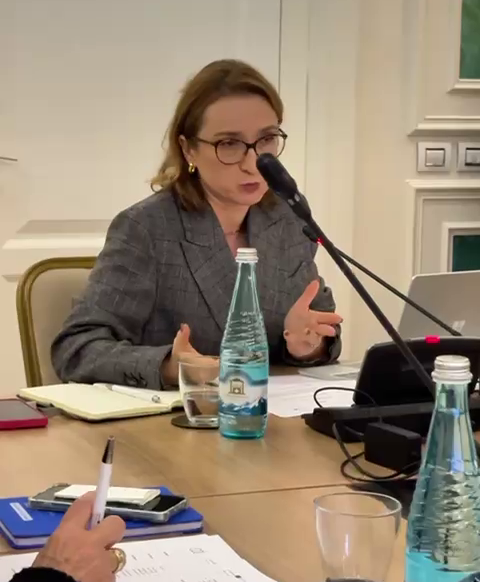
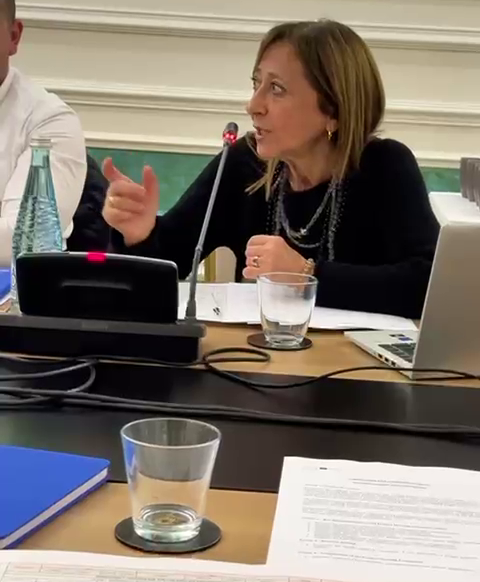
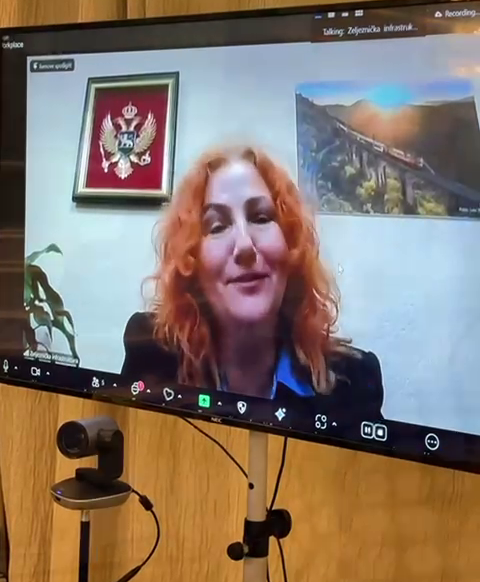
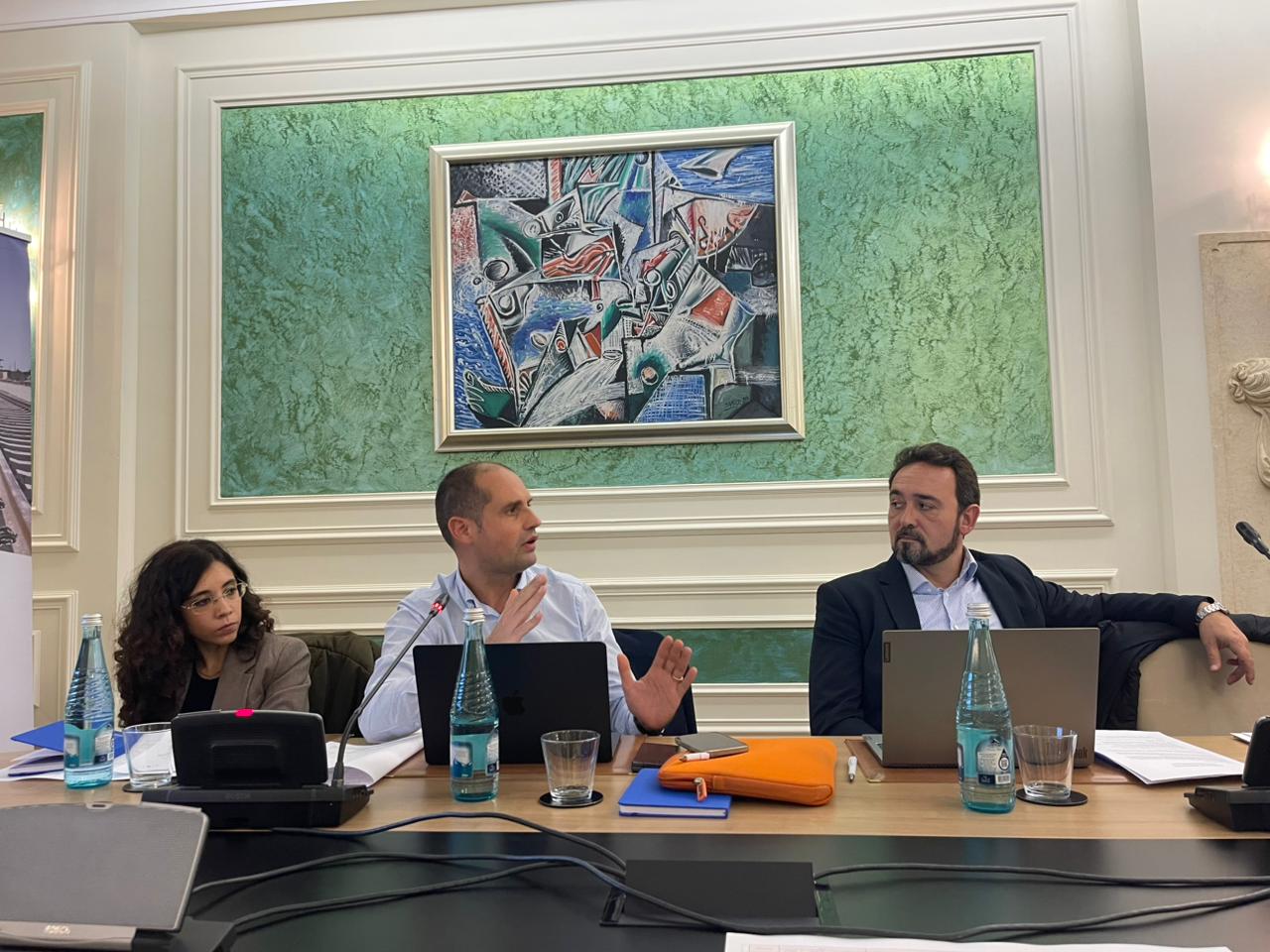
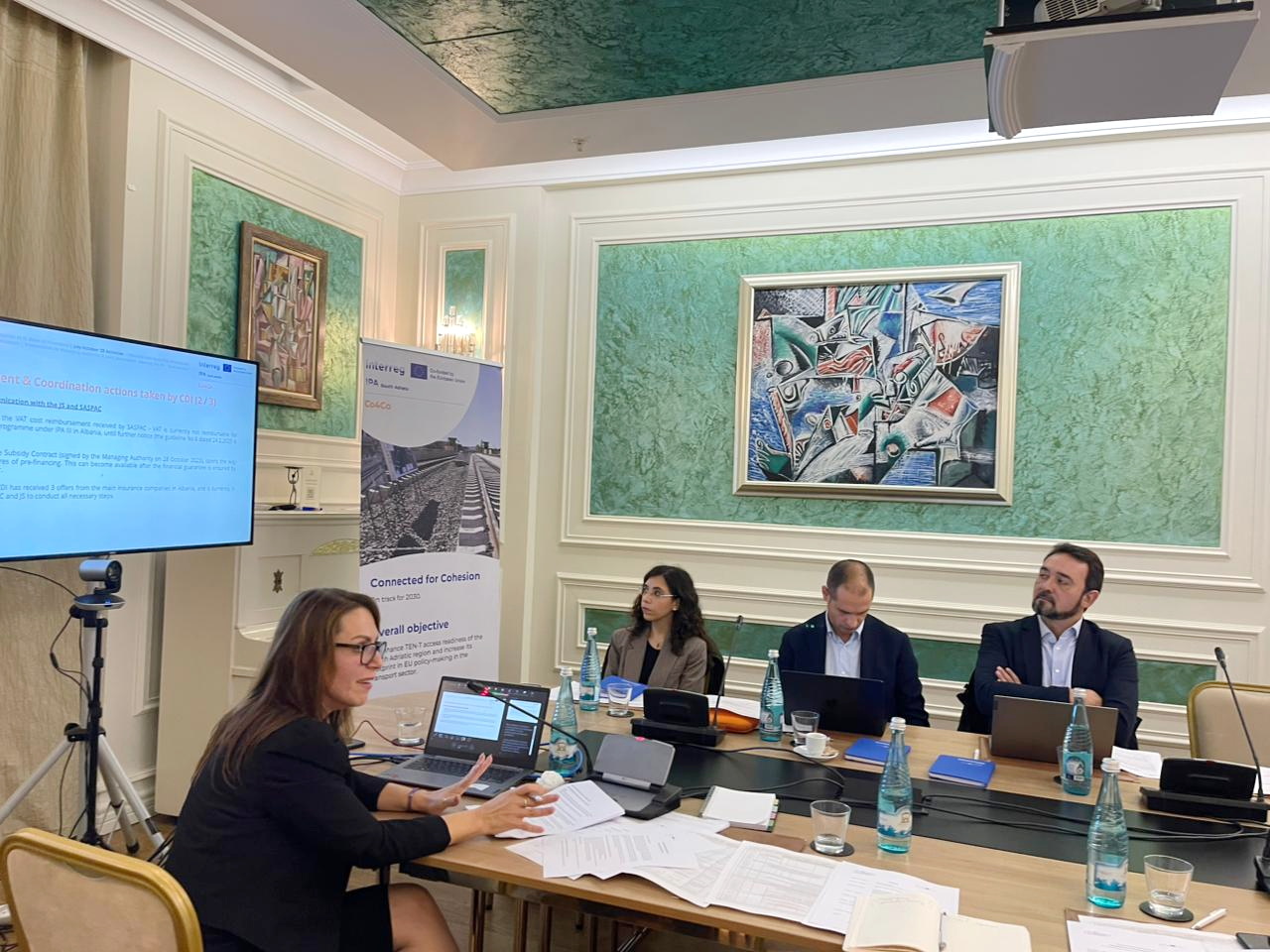
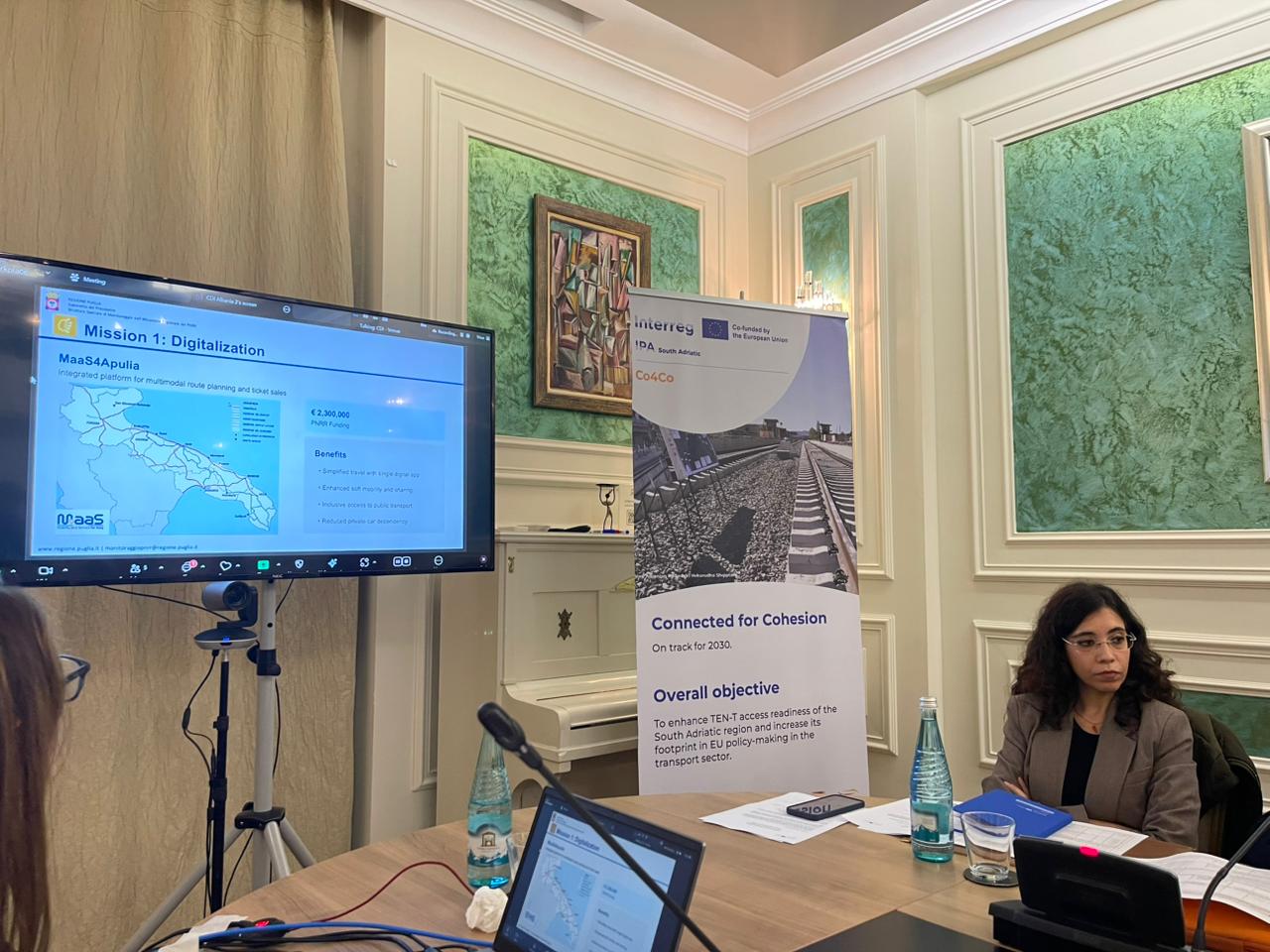
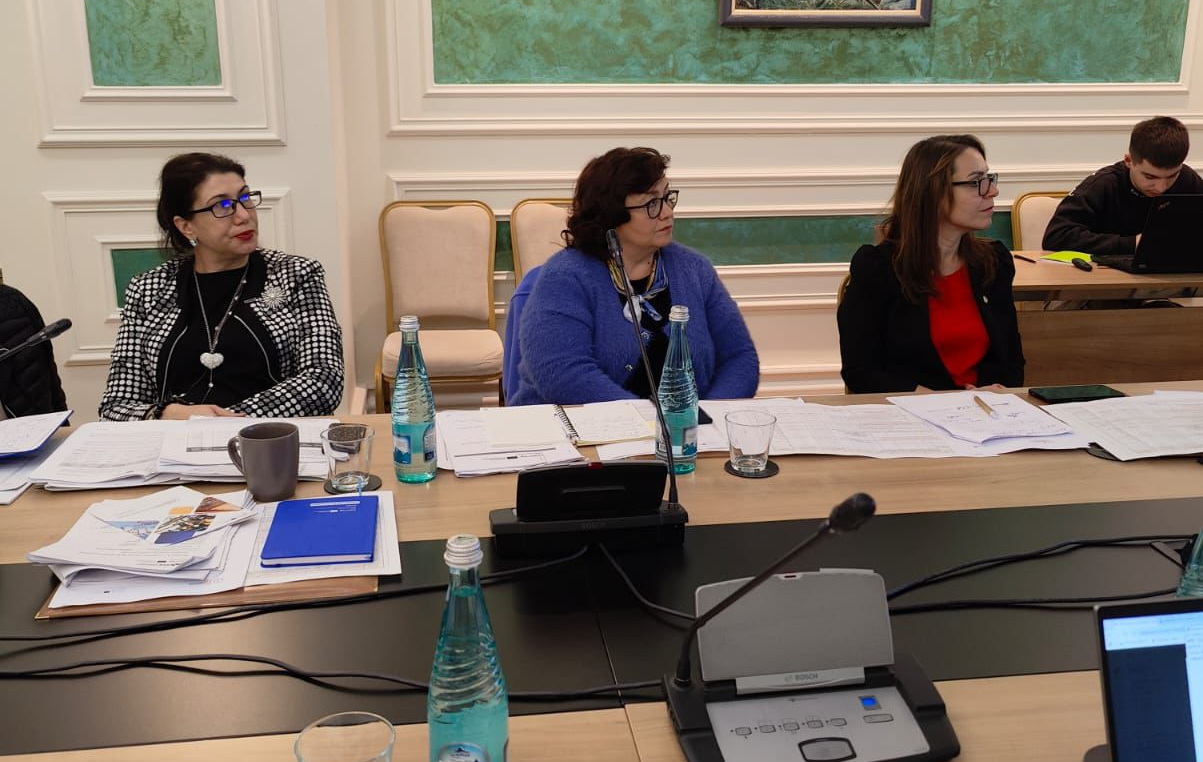
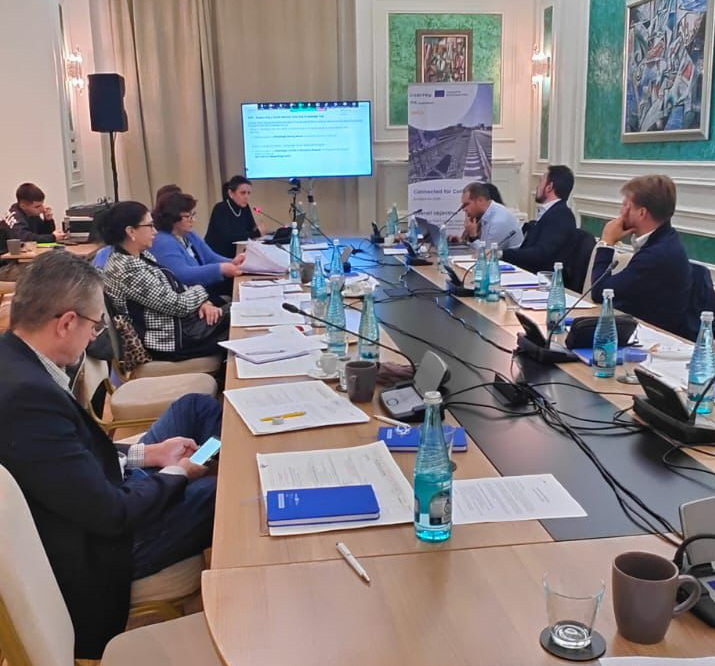
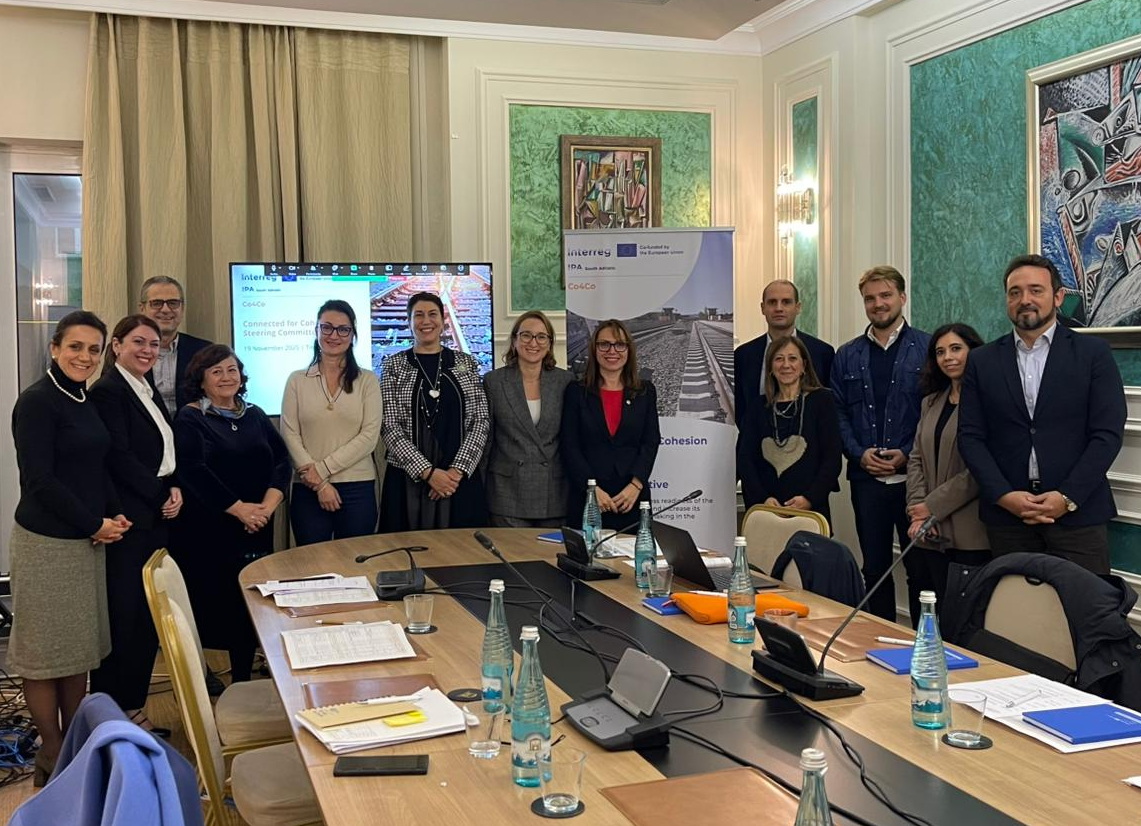
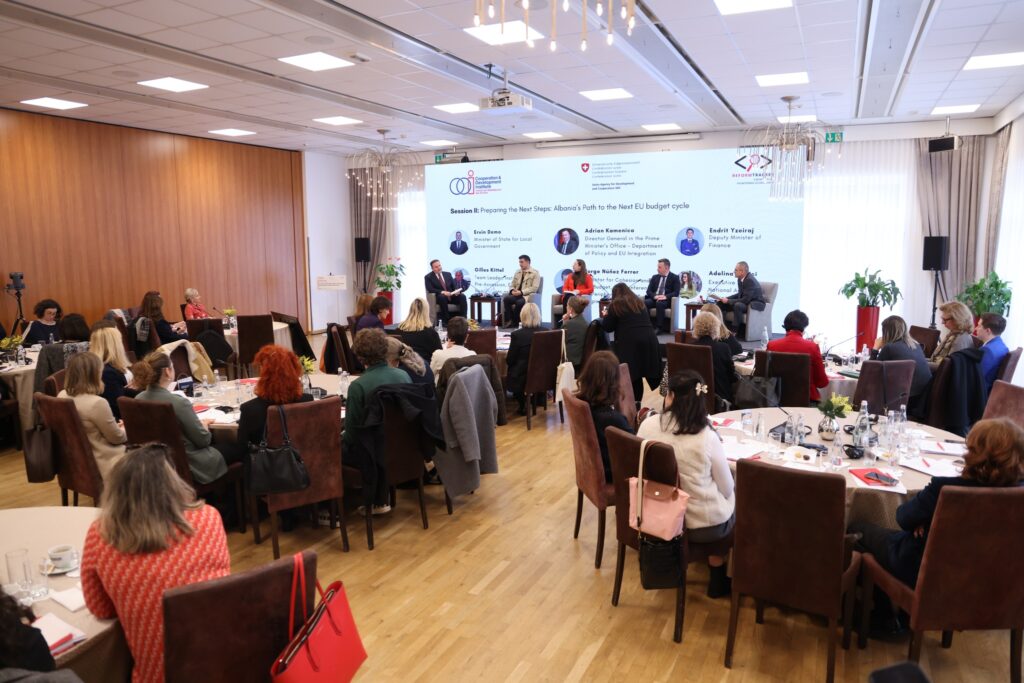
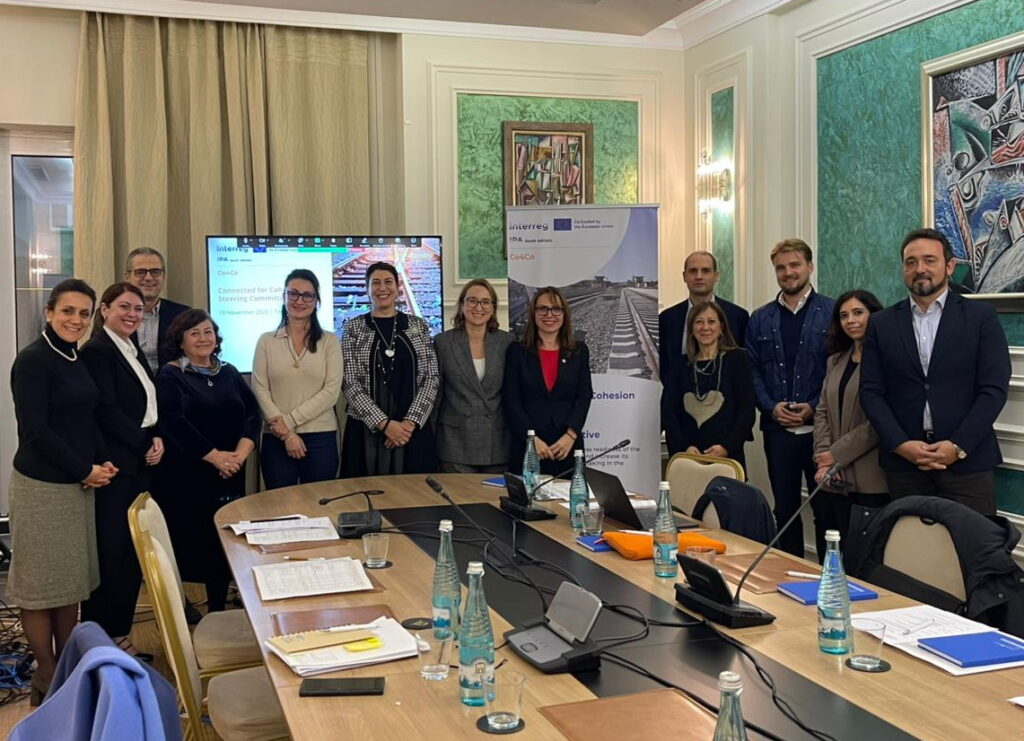
The first Steering Committee, held in Tirana on 19 November 2025, brought together project partners and the Interreg SAA Joint Secretariat, to review progress and solidify project plan for the next period. The meeting served as a productive platform to align on governance, financial procedures, and strategic objectives, emphasizing the core principles of transparency, co-ownership, and practical implementation.
Co4Co aims to foster cross-border cooperation, by strategically preparing the Albanian and Montenegrin Railways for the future European Union membership, targeted by 2030. The inclusion of the Western Balkans in the Core TEN-T network of the Transport Community Treaty and of the Puglia Region in Corridor VIII makes cross-border cooperation essential for advancing the Core network’s completion before 2030 and for securing key EU support.
Partners from the Albanian and Montenegrin railways, together with Italy’s Puglia Region, presented updates on major national railway projects and recent policy developments. Discussions also covered newly signed international cooperation agreements between the Governments of Albania and Italy, as well as opportunities to build synergies with other transport-related projects supported by the Programme. Overall, these exchanges highlighted a shared commitment to strengthening cross-border rail connectivity along the strategically important Corridor VIII.
Furthermore, the Steering Committee solidified the project’s foundational frameworks to ensure effective implementation. This included establishing robust project governance and adopting a concrete joint action plan for the upcoming semester. The plan outlines key next steps, including technical assessments, expertise recruitment, and coordinated visibility activities across all partner countries. The committee also discussed on designing a comprehensive communication strategy, intended to position the South Adriatic region as an innovative hub for EU-Western Balkans cooperation.
The meeting concluded with a clear set of next steps, including the finalization of procurement procedures, the establishment of a Project Communication Group, and preparations for the next Steering Committee meeting.