

Tirana, 21 November 2025 | As Albania advances on its path to European integration, the EU’s Reform and Growth Facility (RGF) has become a key instrument, channeling significant funding to drive reforms in five areas: rule of law, human capital, business climate, digital transition, and green energy. Its successful implementation will strengthen Albania’s administrative capacity for EU membership and prepare institutions to manage future performance-based EU funding effectively.
With the support of the Embassy of Switzerland in Tirana CDI is implementing the initiative “Enhancing Stakeholder’s Engagement and Ownership in the implementation of the Reform and Growth Facility “, aimed to foster greater transparency, oversight, and civic engagement. The cornerstone of this initiative is the Reform Tracker – the first independent, publicly available Growth Plan Scoreboard in the Western Balkans. Launched in April 2025, the Dashboard has quickly become the primary resource for monitoring Albania’s progress. Reform Tracker transforms RGF data into actionable insights.
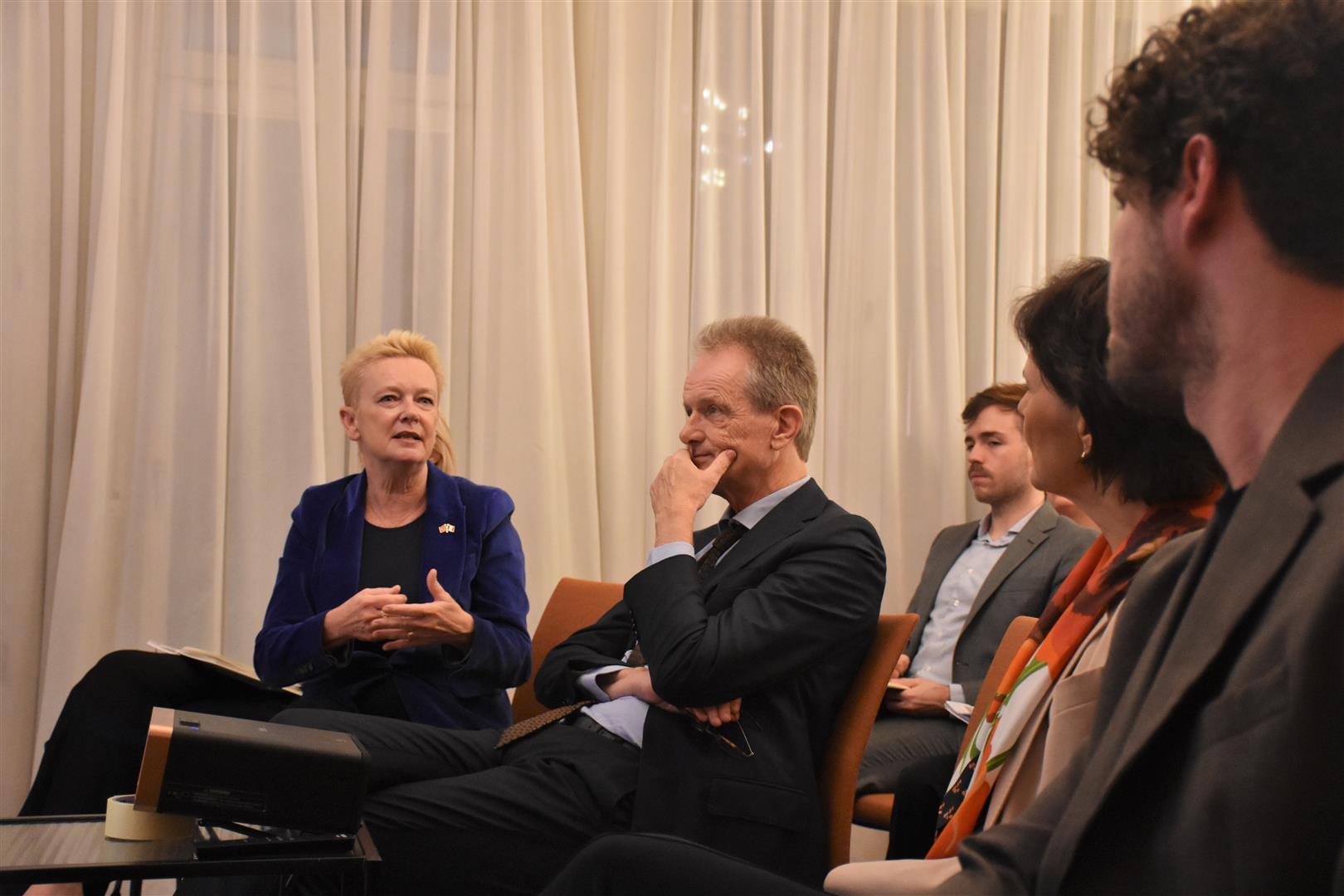
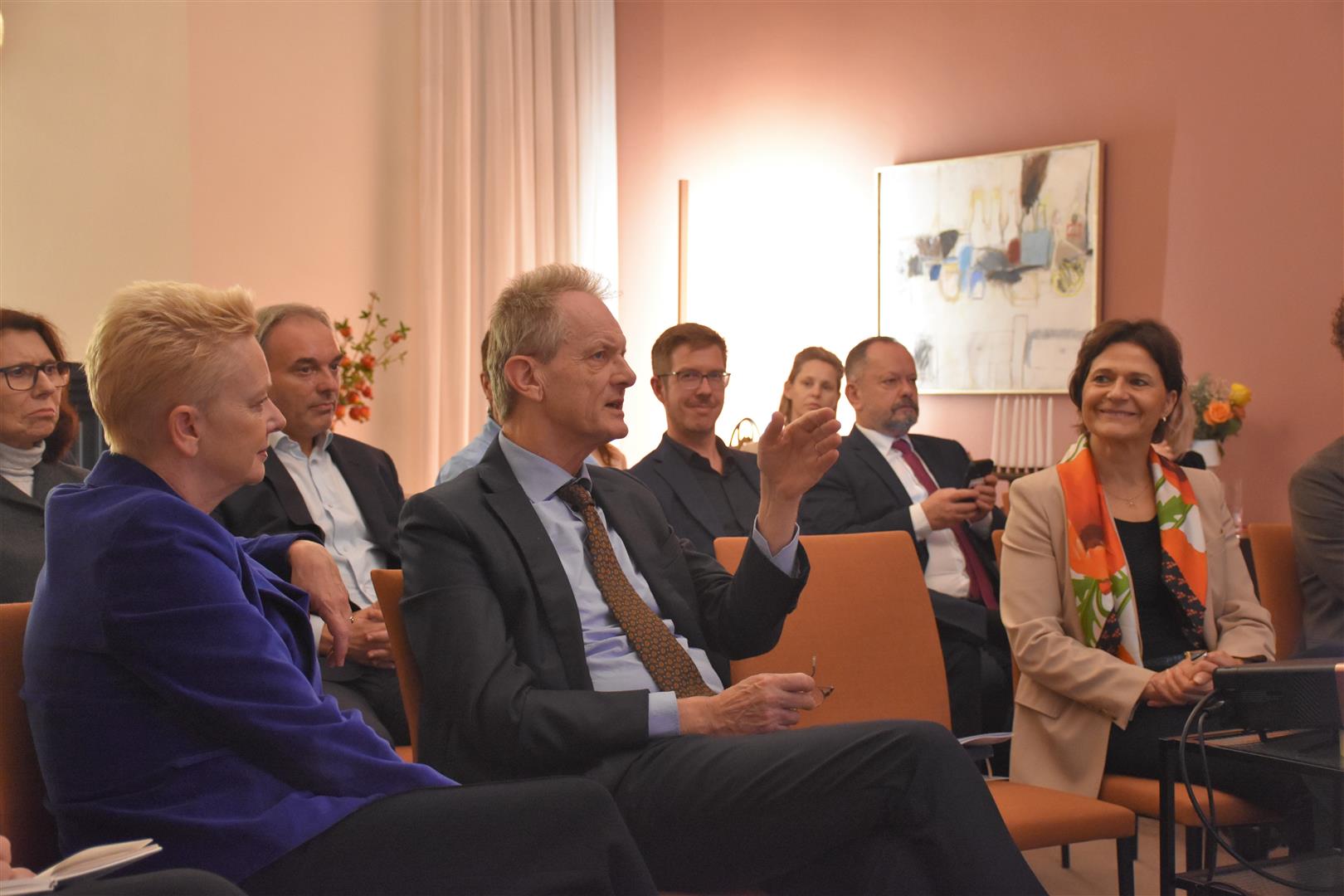
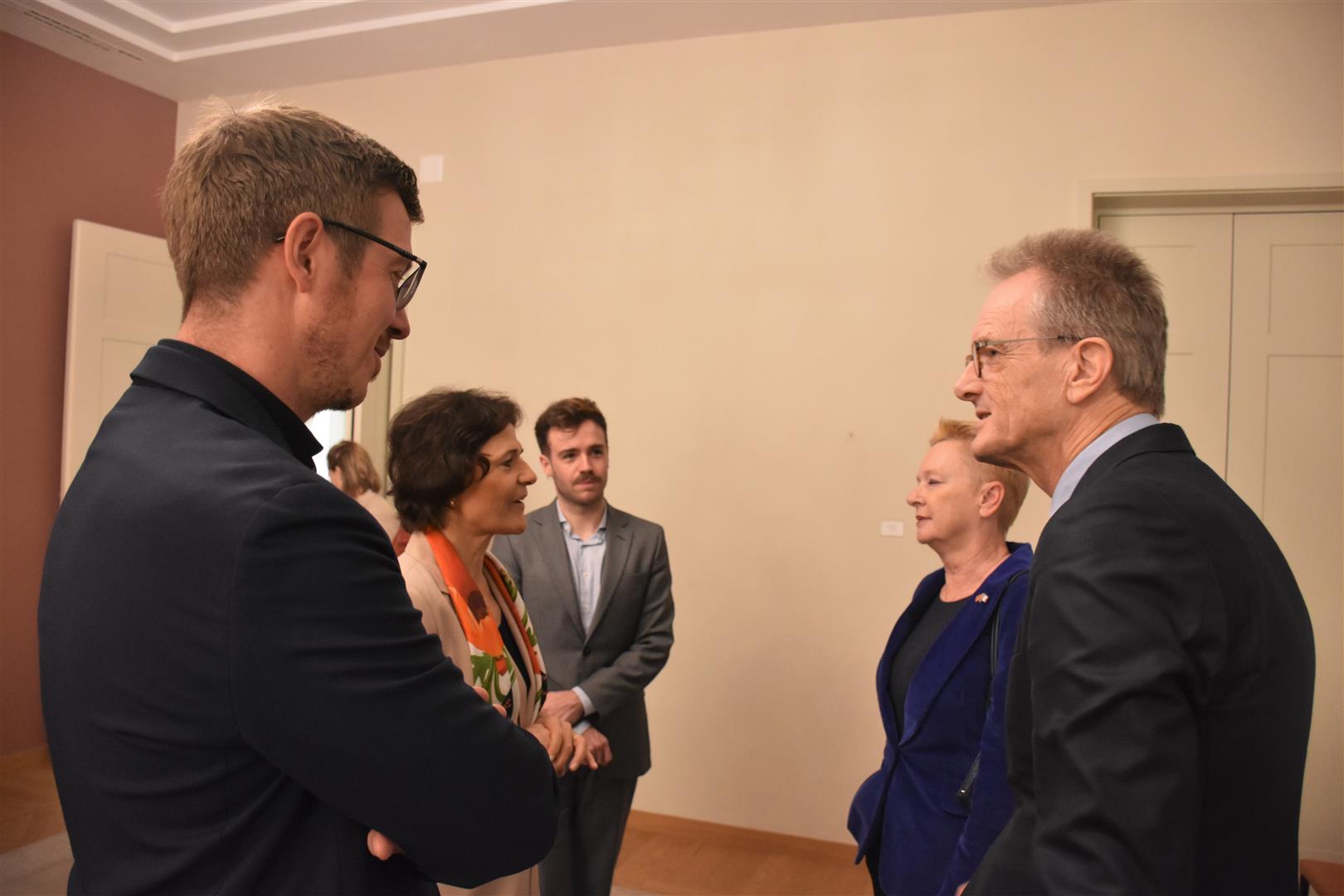
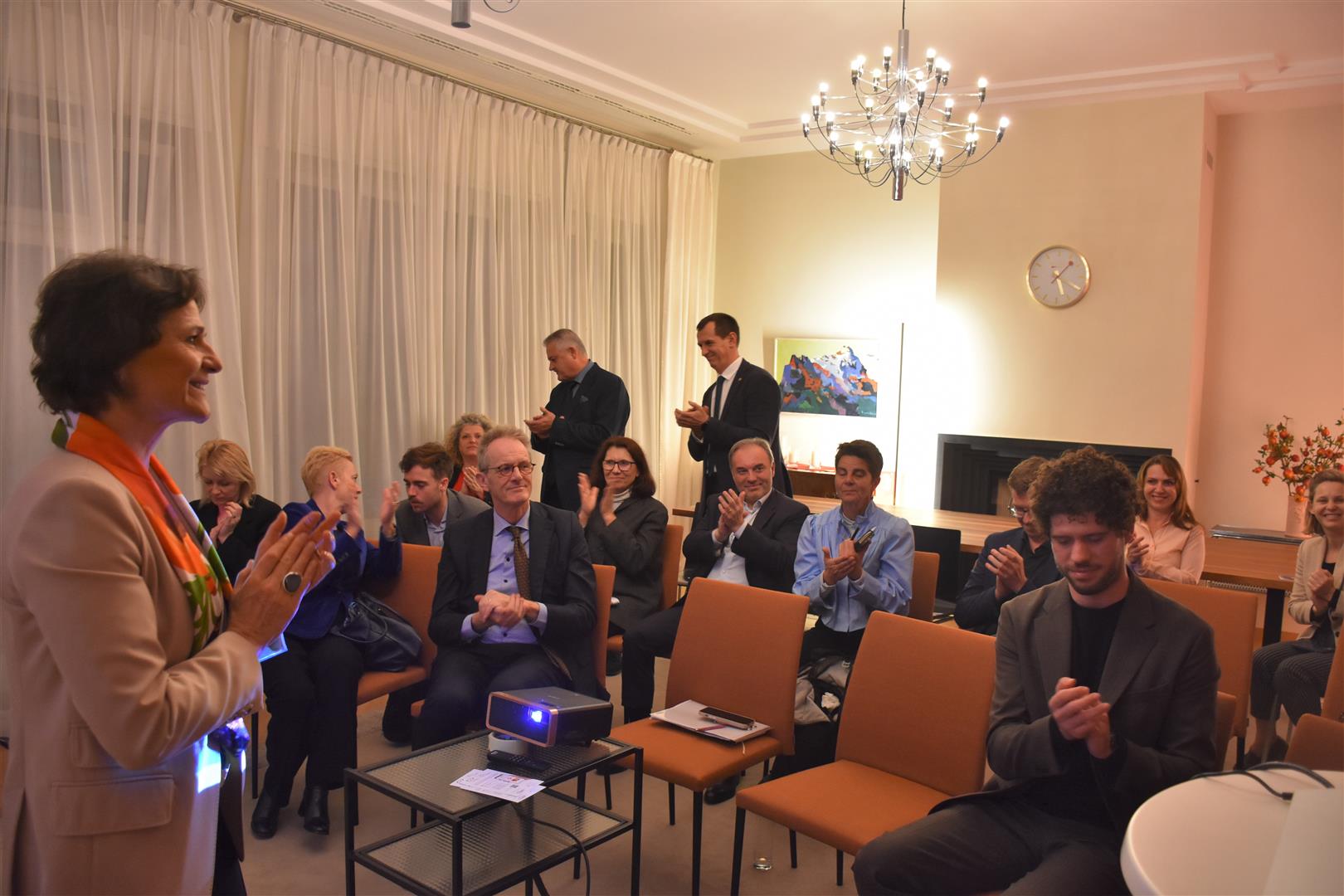
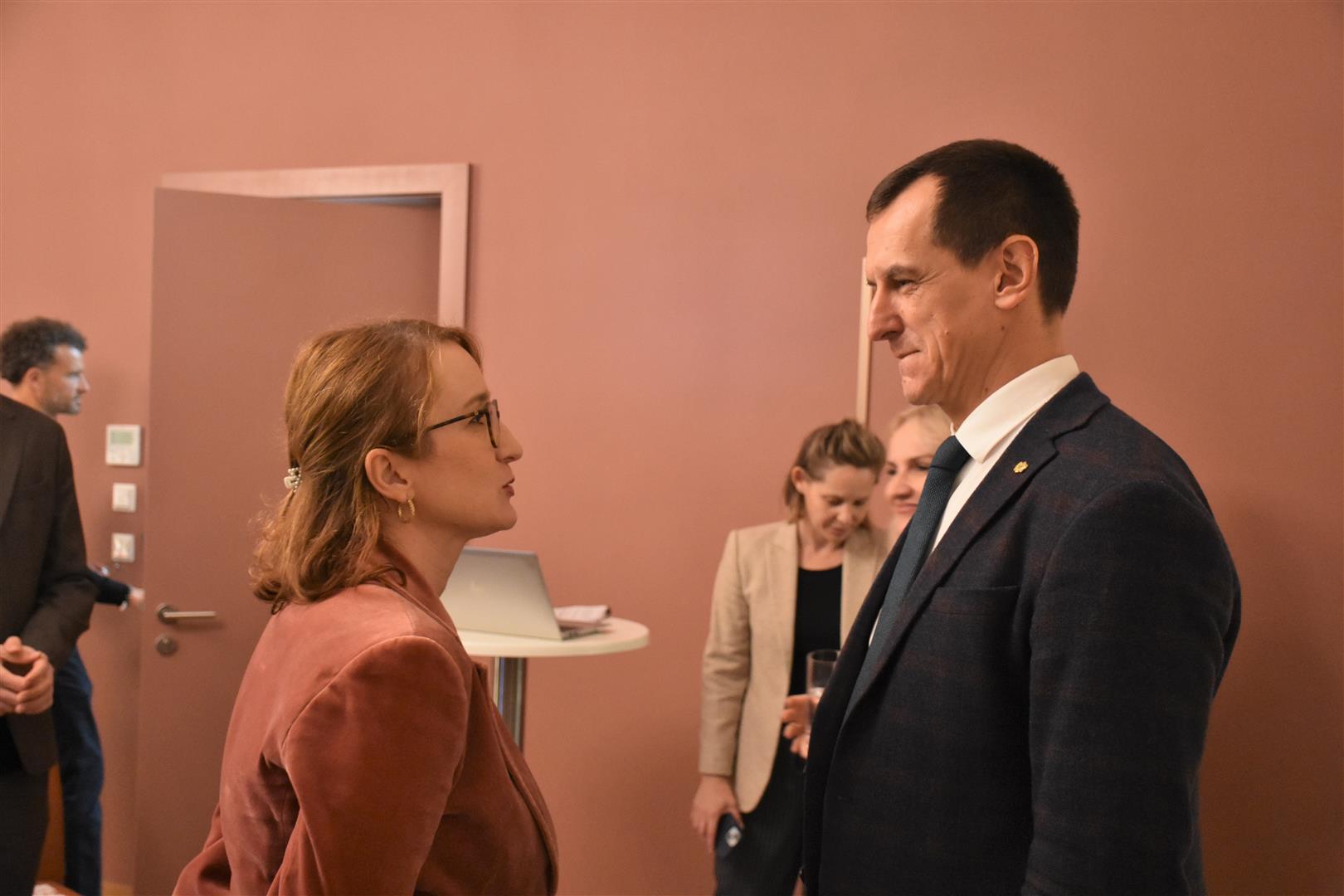
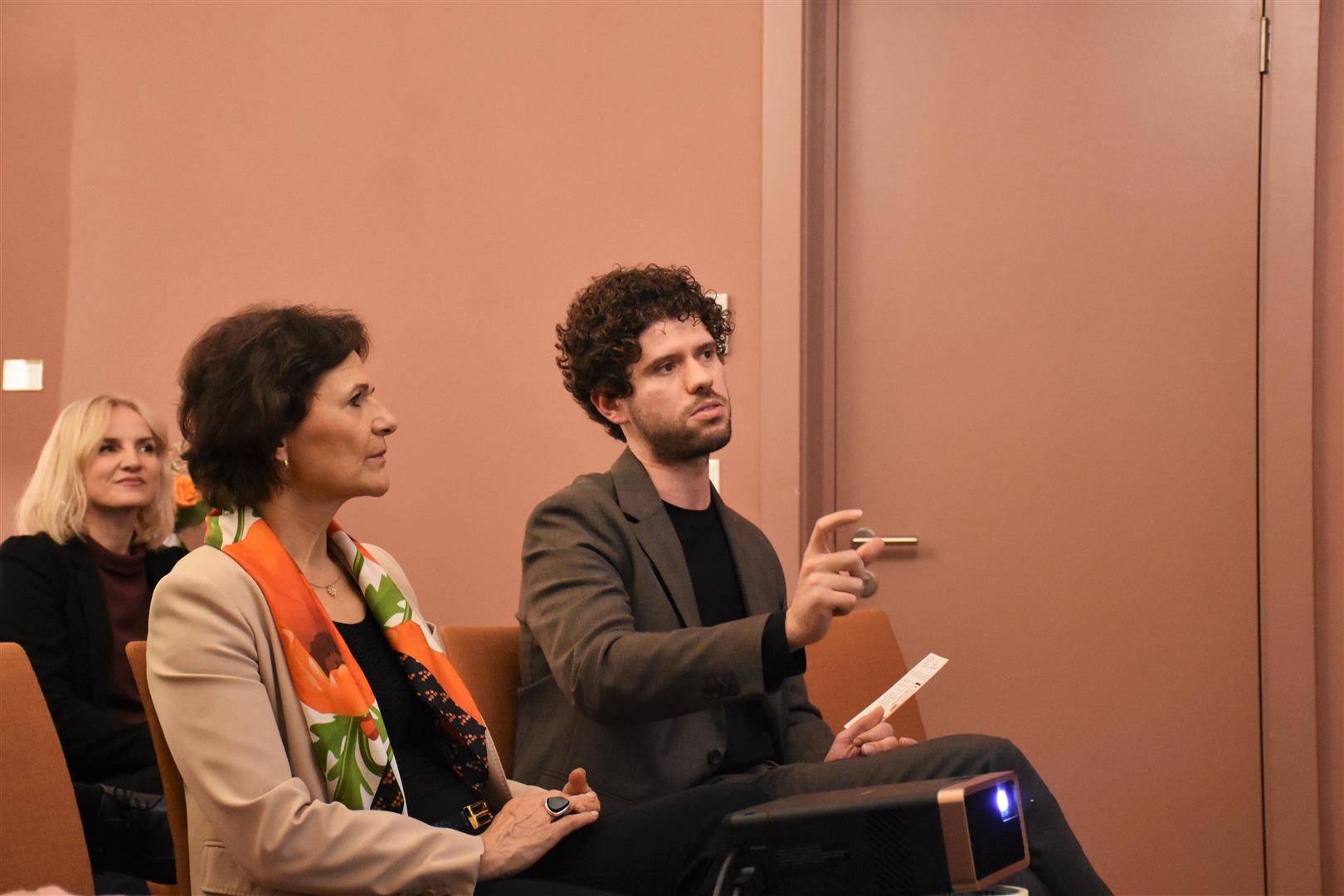
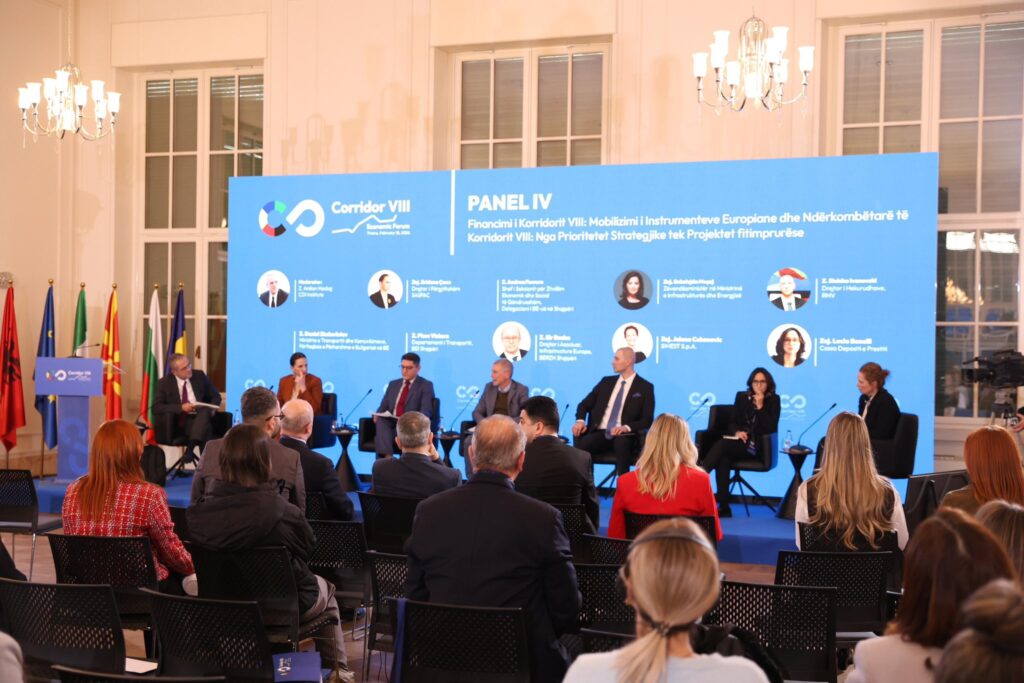
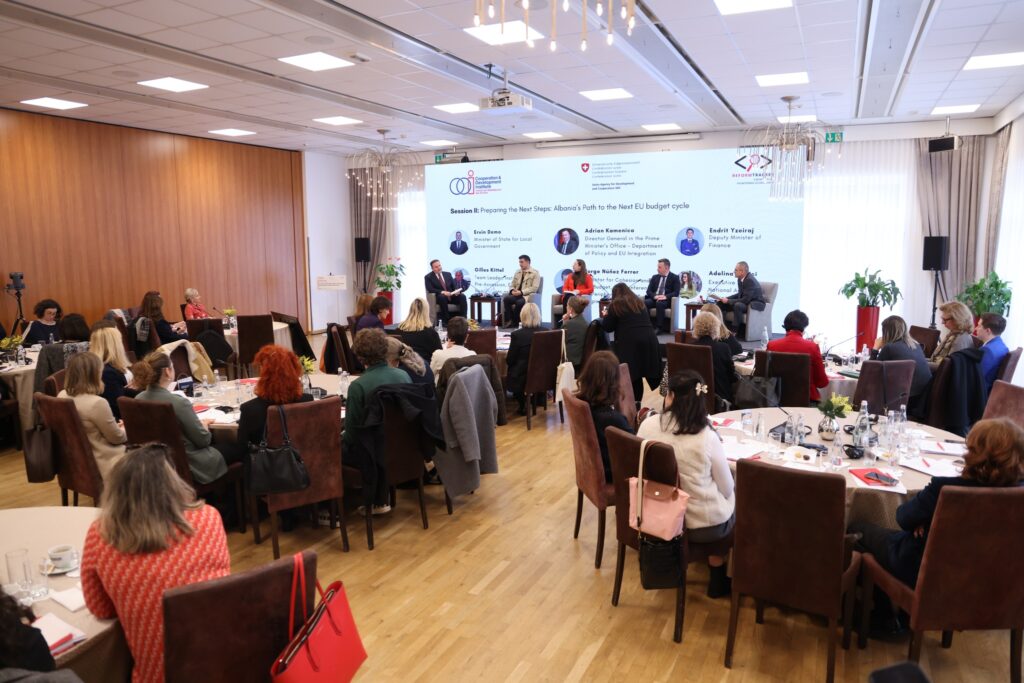
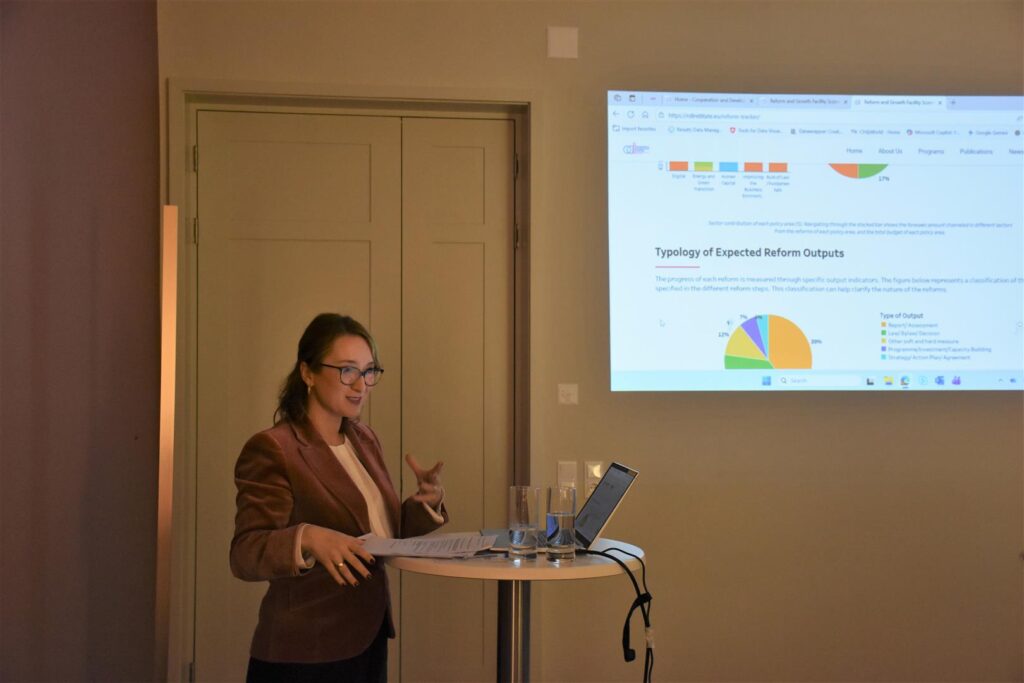
To respond to rising interest in the RGF, the Reform Tracker platform, and Albania’s progress, the Swiss Embassy and CDI convened a roundtable on 20 November, bringing together representatives from EU Member States and candidate countries, to explore how to navigate technical complexities of RGF and gain a clear understanding of Albania’s reform trajectory.
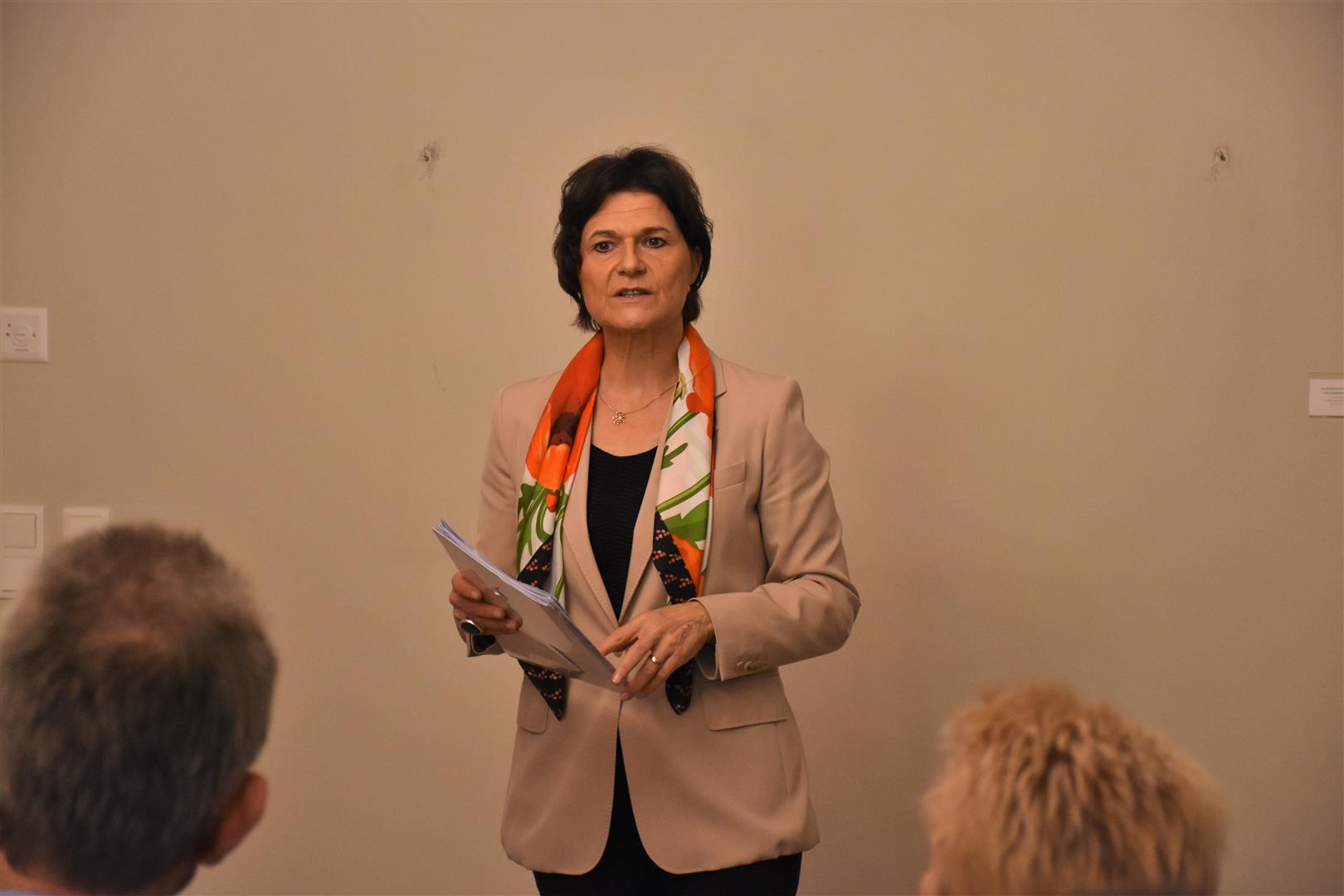
During the event, Swiss Ambassador Ms. Ruth Huber reaffirmed Switzerland’s steadfast support for Albania’s EU accession path. She emphasized the partnership with CDI as a strategic tool to “strengthen civil society engagement and ownership in the implementation of the Reform and Growth Facility.”
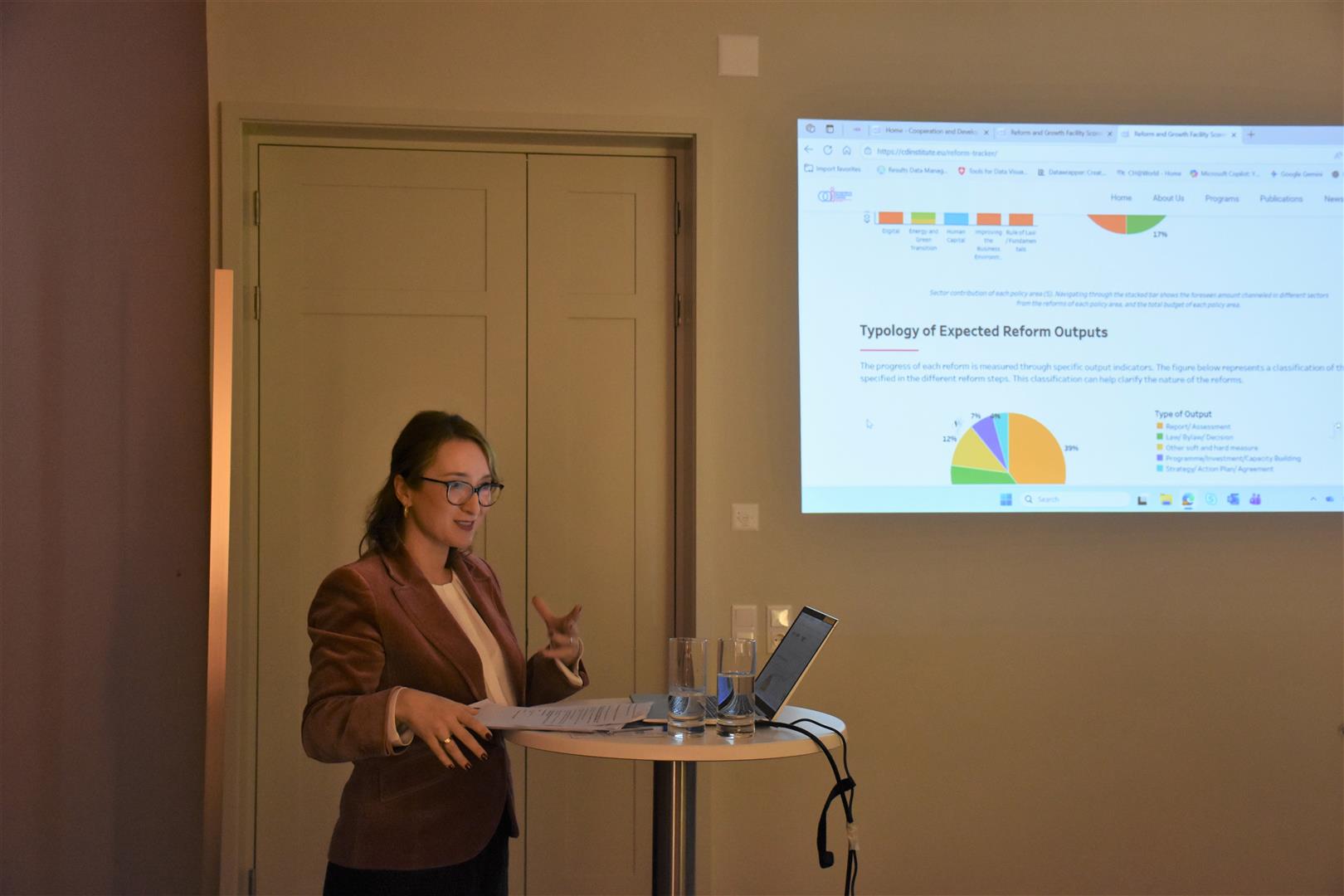
CDI’s Executive Director, Ms. Krisela Hackaj, presented the Reform Tracker’s key features and analytical insights. She noted that although the RGF is designed as a performance-based instrument, it currently places greater emphasis on output indicators than on impact. She argued for moving beyond the rigid “all-or-nothing” approach to a more nuanced application of the RGF regulation, including mechanisms for partial fulfilment assessments for complex cross-sectorial reforms. She framed this shift as essential to transform the RGF from a mere disbursement exercise into an instrument that builds lasting administrative capacity and delivers real impact for citizens.
The discussion concluded with a shared understanding that data-driven dialogue is key for the advancement of the EU integration agenda. As the RGF implementation and EU negotiations progress advance, the role of independent monitoring and inclusive stakeholder engagement will only grow in importance.