

Tirana, 17 December 2025 | Effective parliamentary engagement is crucial to maximize the impact of reforms and oversee the use of EU funds under the EU’s Reform and Growth Facility (RGF) for the Western Balkans. In this context, CDI supports the Albanian Parliament to ensure that reforms are aligned with the country’s EU commitments, financial resources are used efficiently in line with RGF objectives, and inclusive, Parliament-based platforms, such as the National Council for European Integration (NCEI), serve as key forums for institutionalized hearings, reporting mechanisms, and informed public debate, thereby promoting transparency, accountability, and democratic oversight throughout the reform process.
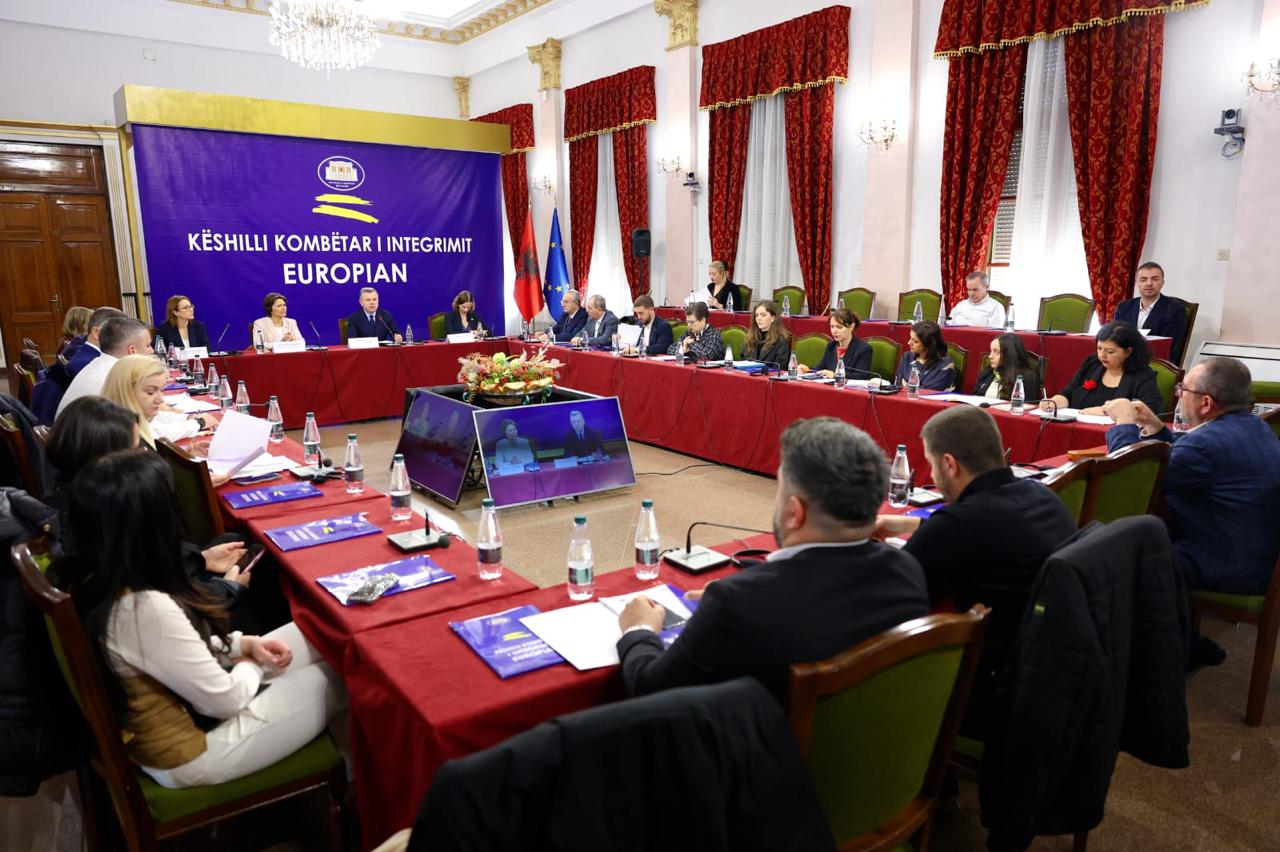
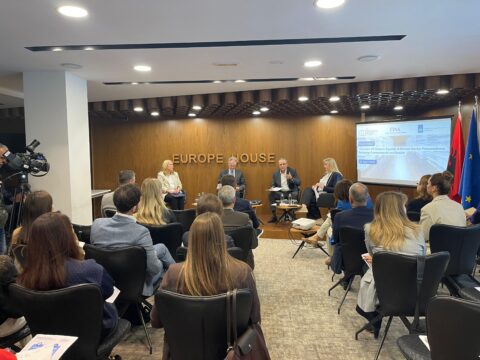
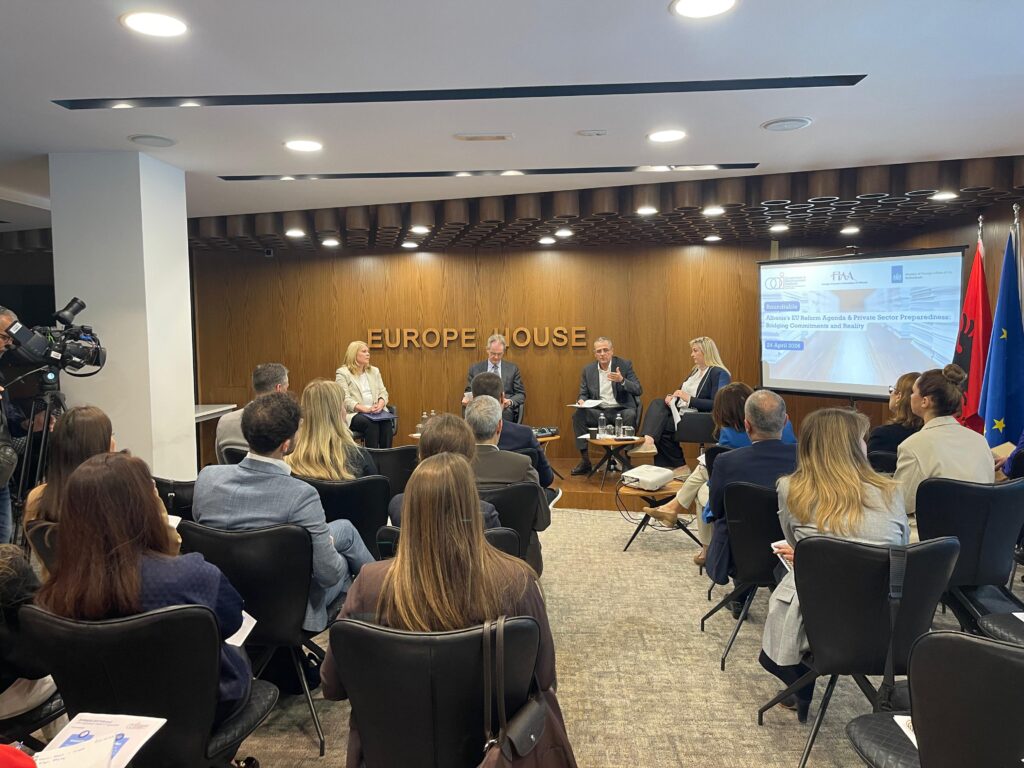
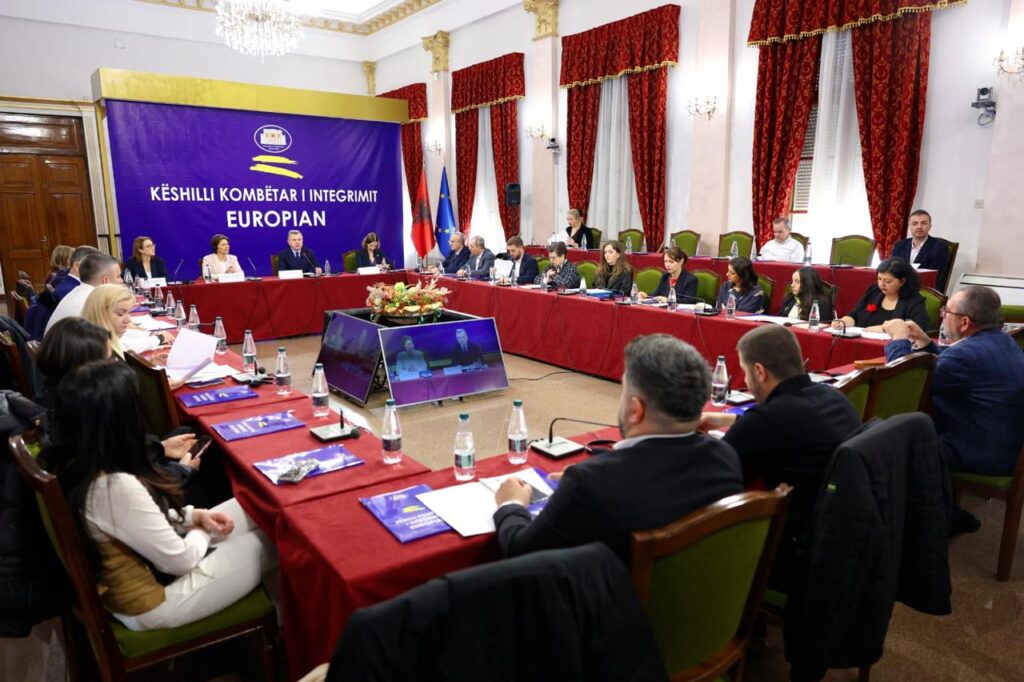
As part of this effort, CDI and NCEI co-organized an awareness-raising session reviewing Albania’s progress in the National Reform Agenda. The session took place under the initiative “Enhancing Stakeholder Engagement and Ownership in the Implementation of the Reform and Growth Facility”, implemented with support from the Embassy of Switzerland to Albania.
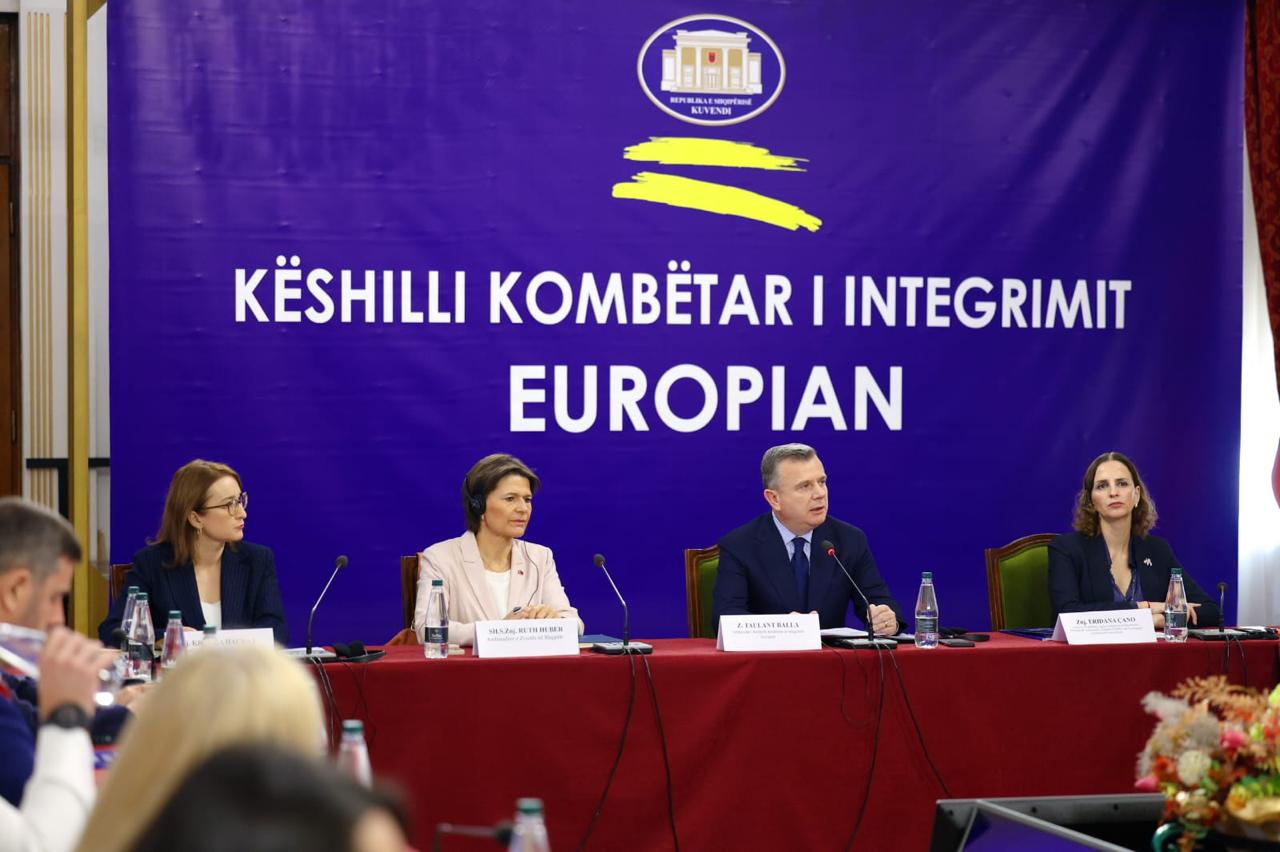
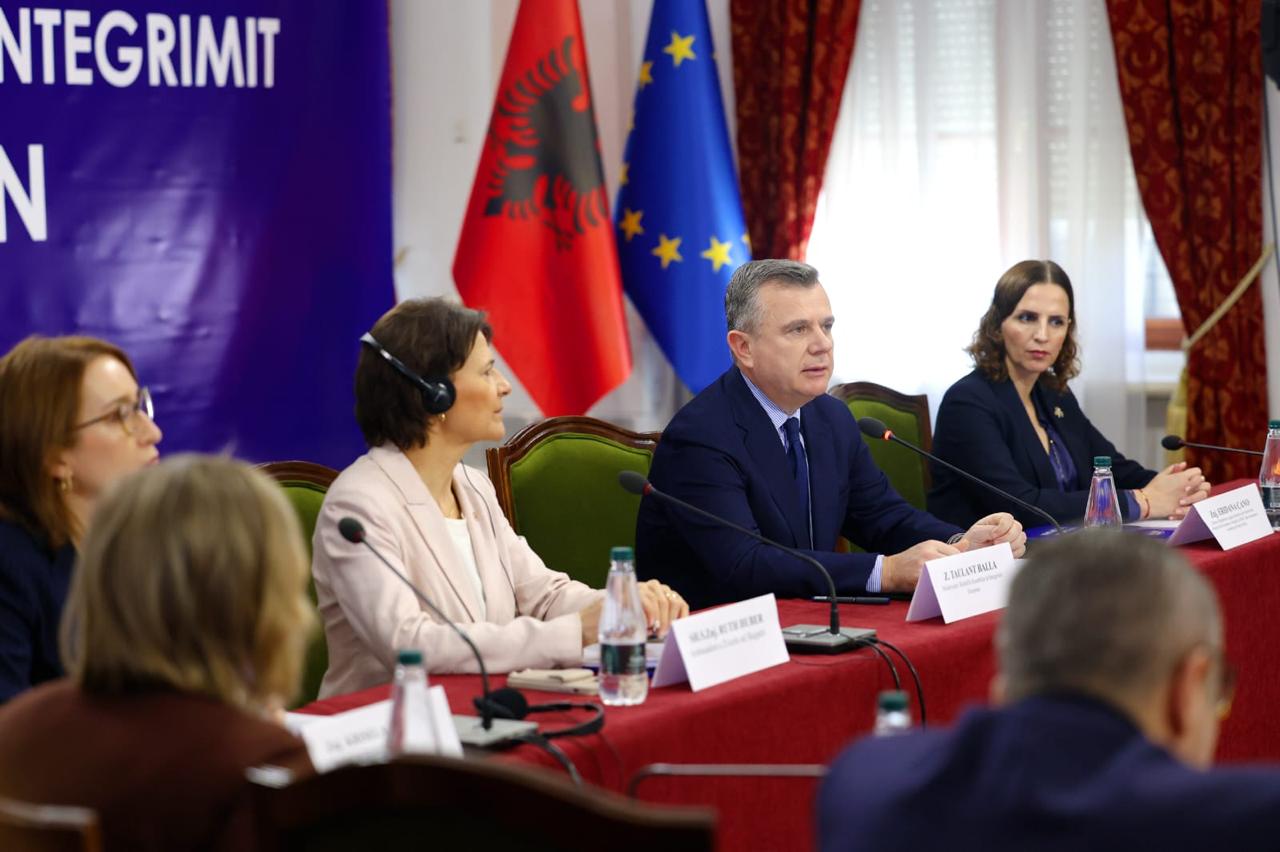
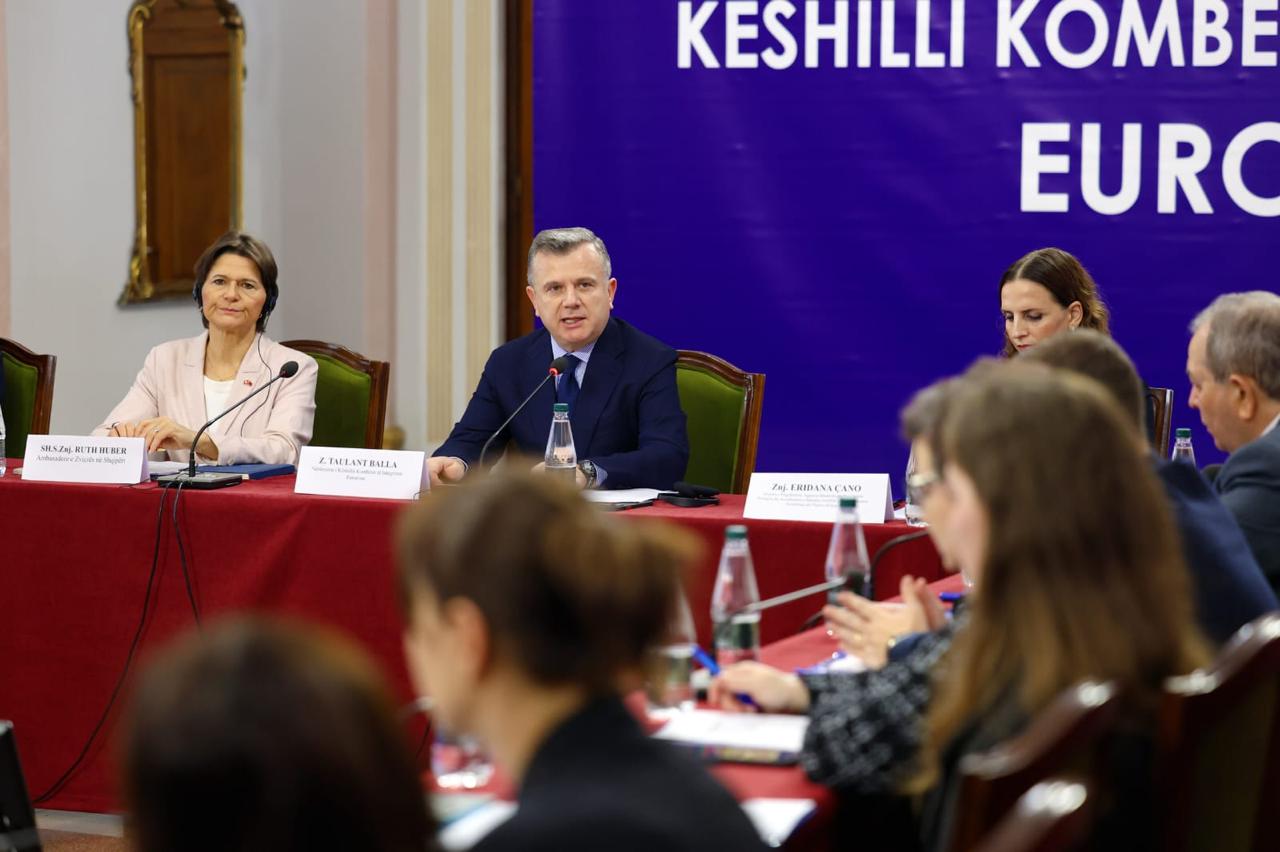
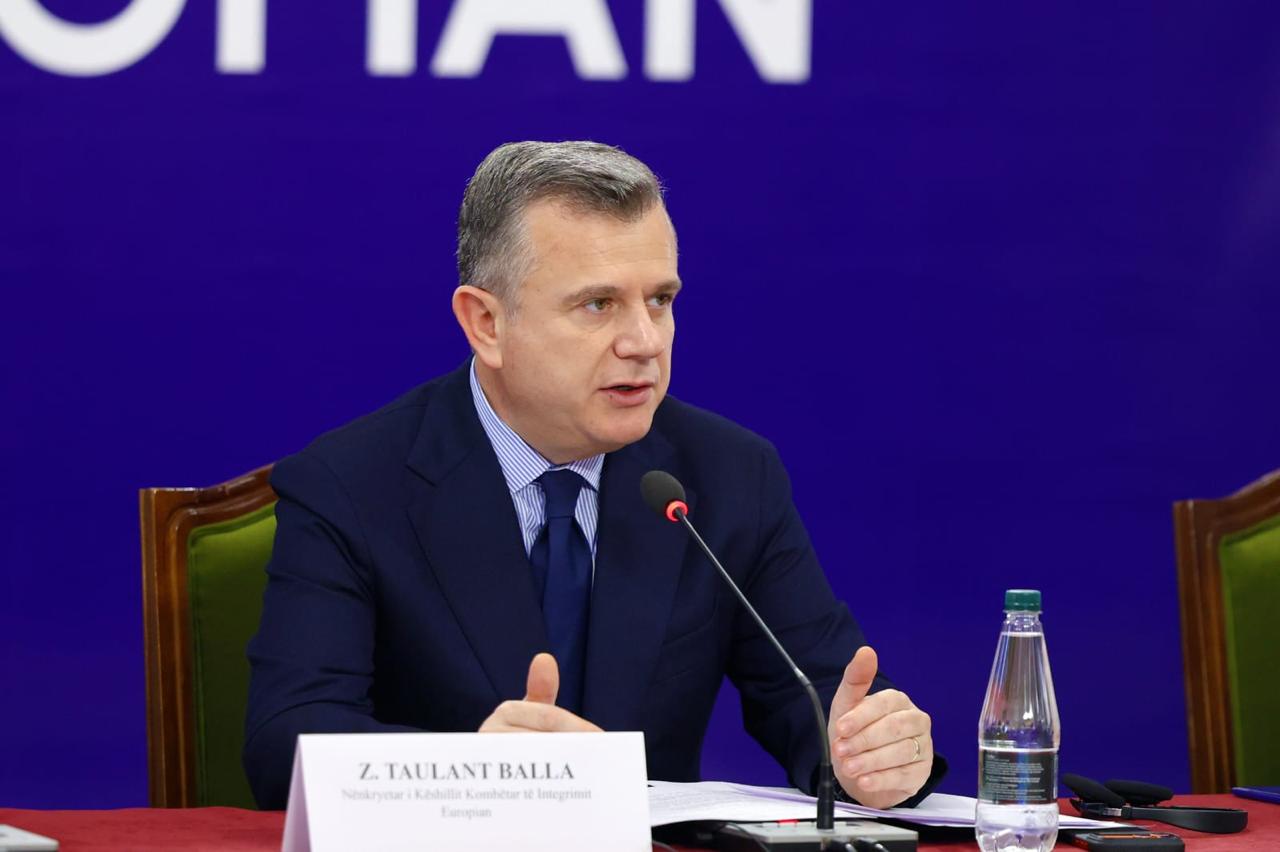
The session was chaired by Mr. Taulant Balla, NCEI Deputy Chair, who highlighted the strategic objectives of the National Reform Agenda and the need of narrowing the socio-economic convergence gap between Albania and EU Member States. He further underscored economic competitiveness as a core pillar of the Reform Agenda, driven by productivity growth in key sectors such as agriculture, industry, sustainable tourism, services, information technology, innovation, and the green economy. Mr. Balla reaffirmed the decisive role of the Albanian Parliament and the NCEI in ensuring transparency, accountability, and effective oversight of EU financial instruments.
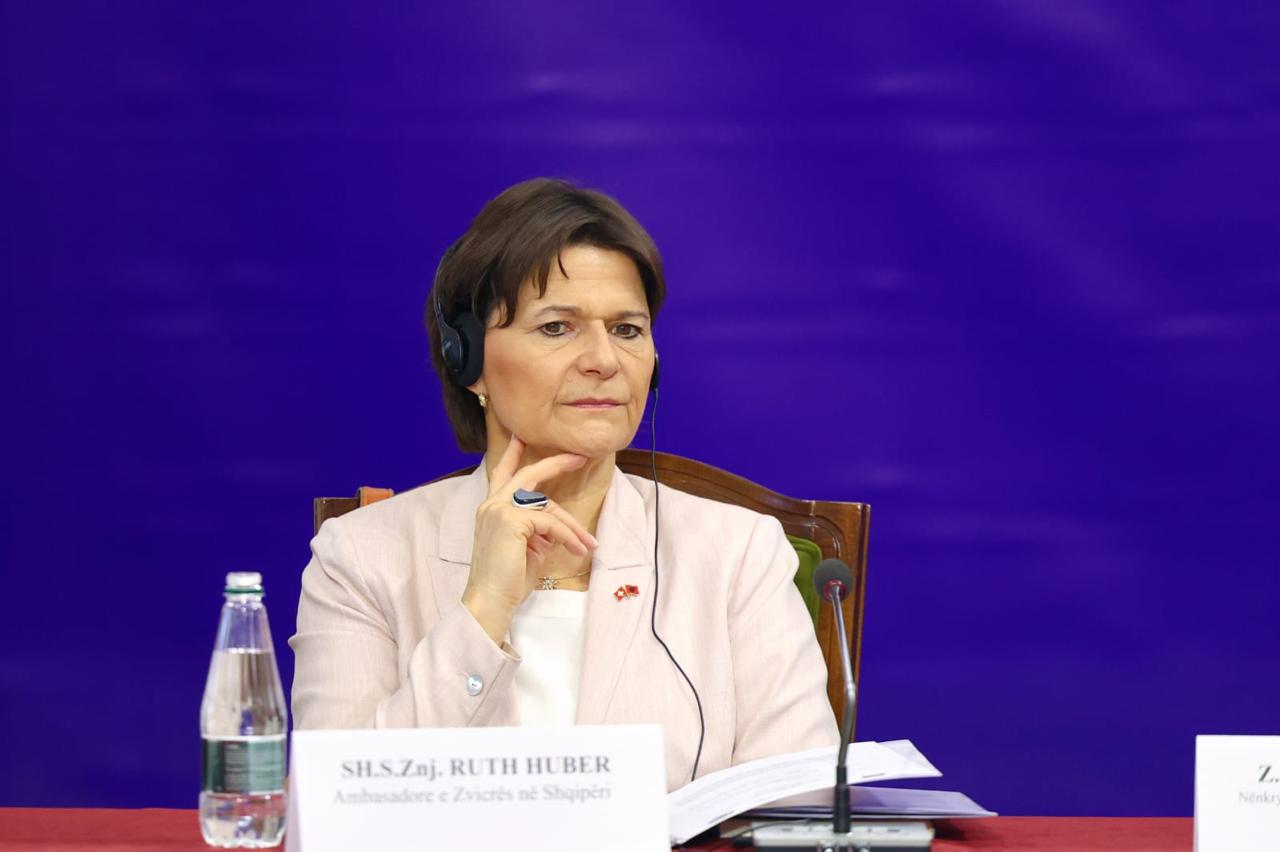
The session was welcomed by H.E. Ms. Ruth Huber, Ambassador of Switzerland to Albania, who stressed the importance of transparency and inclusiveness in reform implementation and reaffirmed Switzerland’s continued support for Albania in strengthening institutional capacities and monitoring progress toward EU membership. Ms Ruth underscored the innovative approach of the initiative that supports evidence-based dialogue, transparency, and analytical research – all pillars of the Reform Tracker -, the only such tool in the region that supports real-time monitoring of the Reform Agenda.
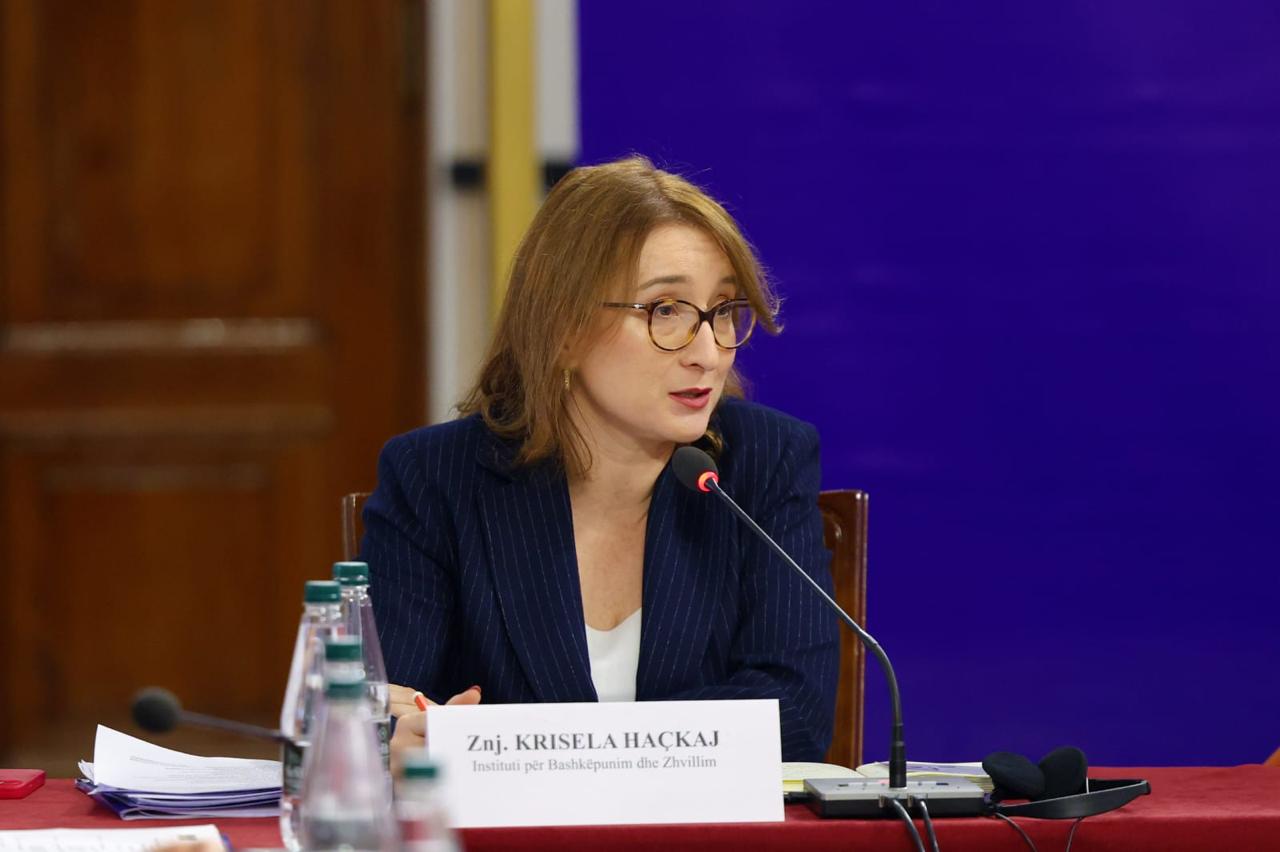
In her remarks, Ms. Krisela Haçkaj, Executive Director of CDI, emphasized that strong parliamentary oversight and transparency are essential for aligning with EU commitments and ensuring the accountable use of EU funds. She highlighted that CDI encourages parliamentary structures to consolidate clear monitoring and evaluation mechanisms to track the progress of selected reforms, assess whether planned objectives are being achieved, and identify areas requiring improvement. Presenting an overview of CDI’s ongoing work, she underscored the Reform Tracker as evidence of CDI’s commitment to fostering dialogue, strengthening collaboration, and promoting institutional accountability in the implementation of the Growth Plan.
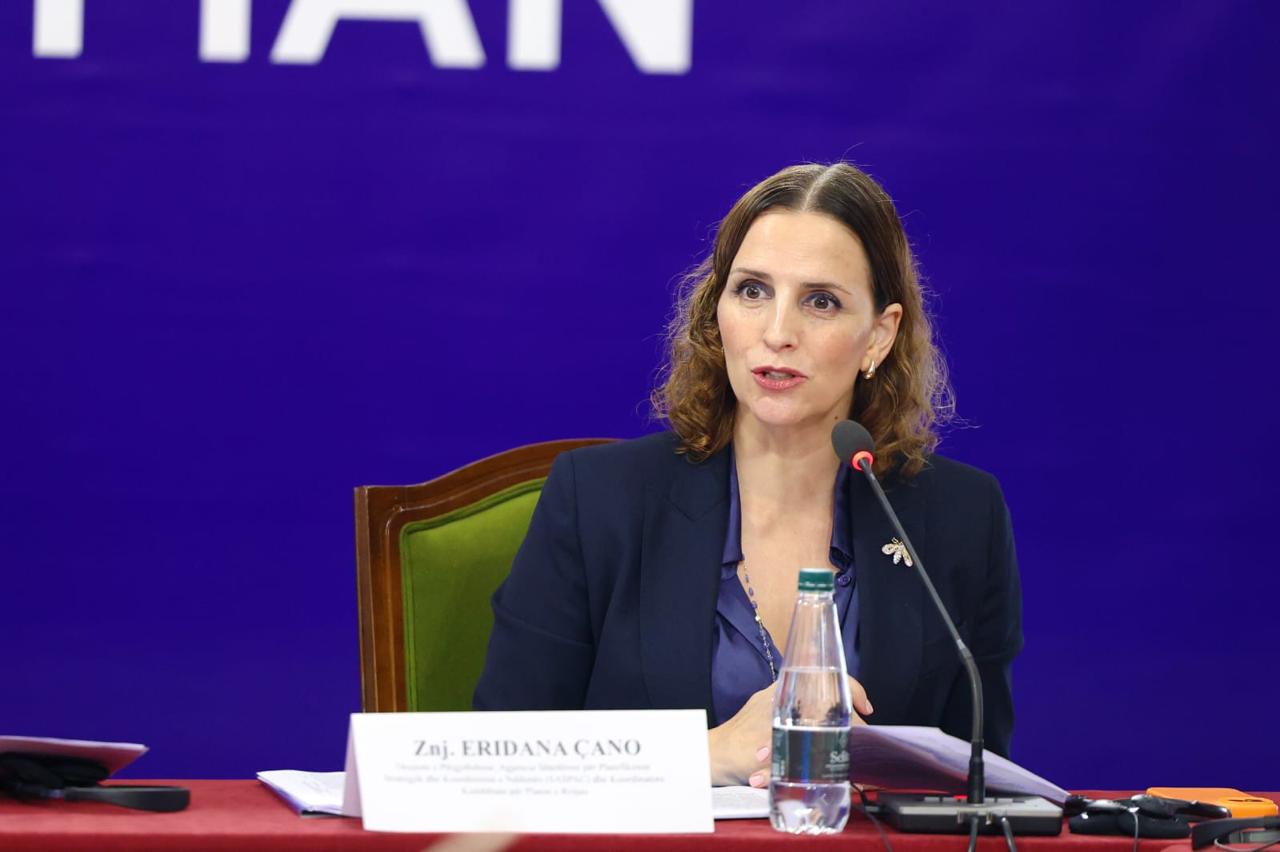
Ms. Eridana Çano, Director General of the State Agency for Strategic Programming and Aid Coordination (SASPAC) and RGF National Coordinator, presented an overview of the National Reform Agenda’s progress. She highlighted key reform outcomes achieved during 2025 across public finance management, digitalization, employment support, innovation, connectivity, and the energy sector, while noting that the next reporting will take place on 15 January 2026.
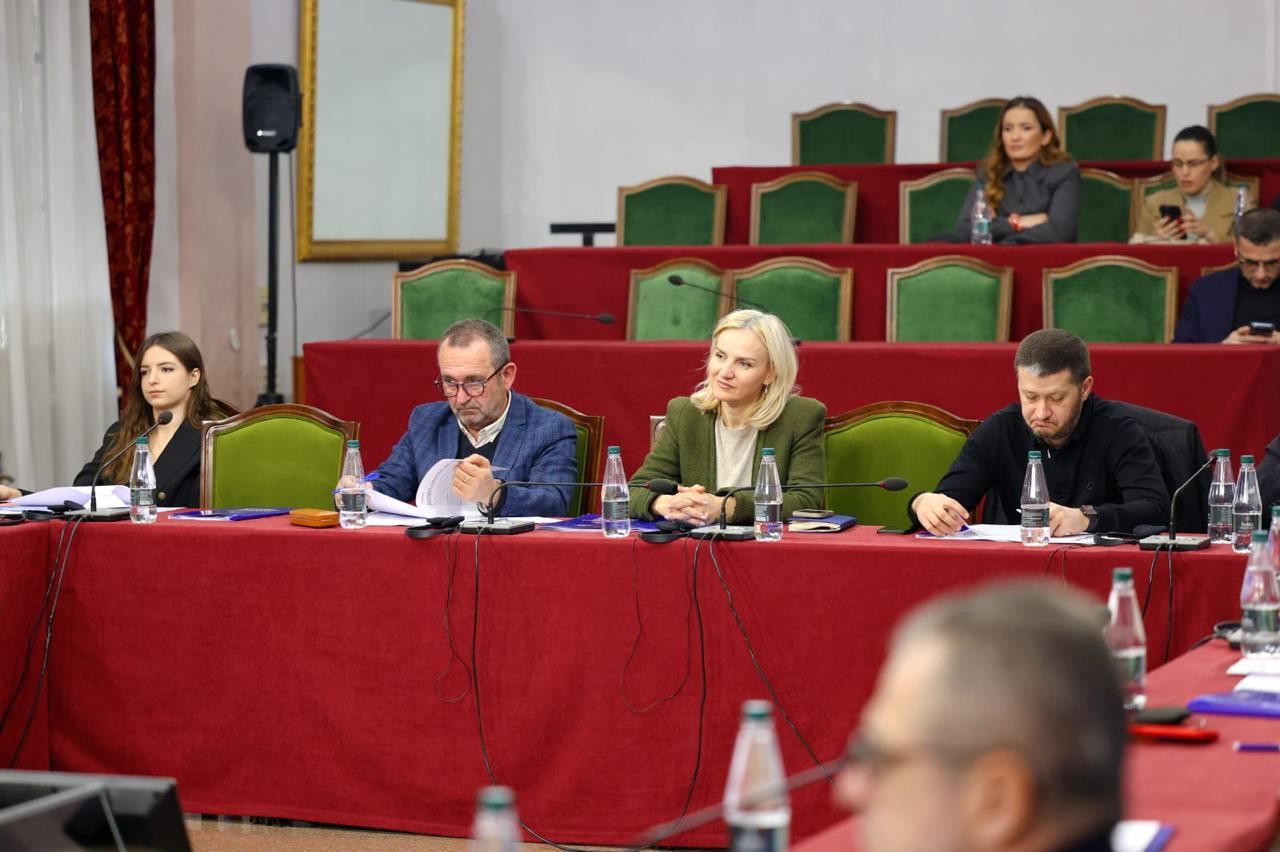
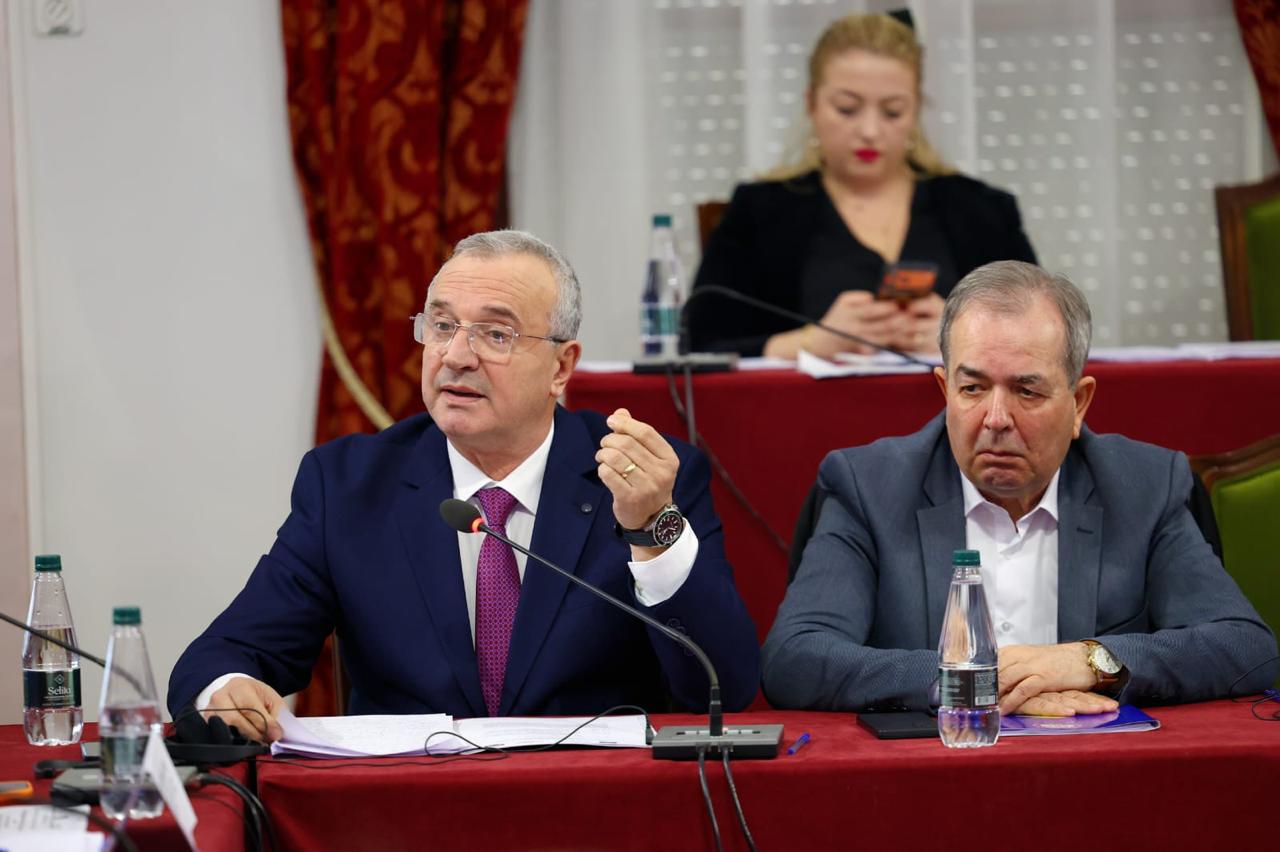
The event concluded with an open discussion among participants, including representatives of the Albanian Agribusiness Council and the Albanian Employers’ Organizations Council, highlighting the importance of stakeholder engagement in specific policy areas to ensure inclusive, effective and sustainable reform implementation.