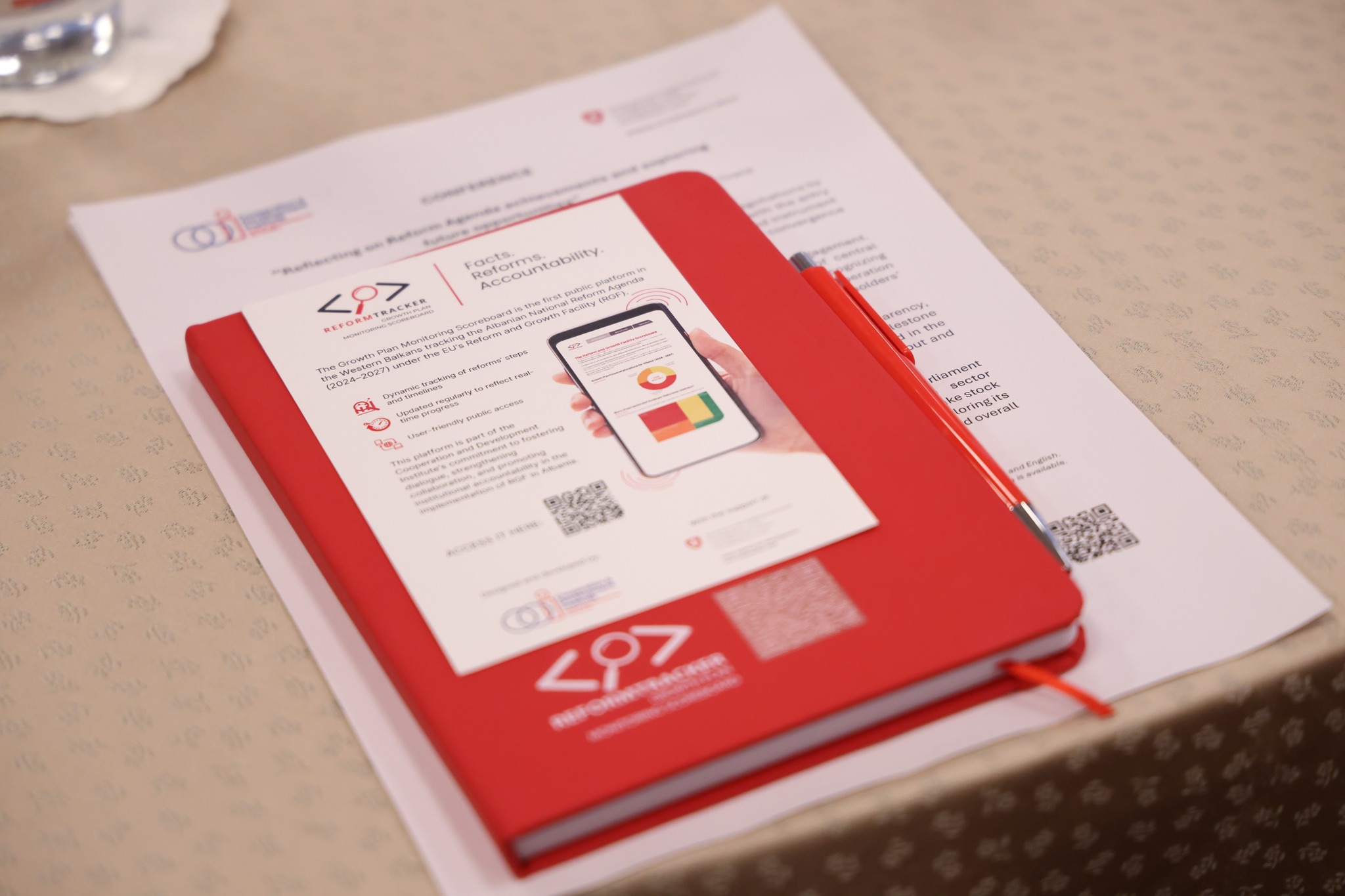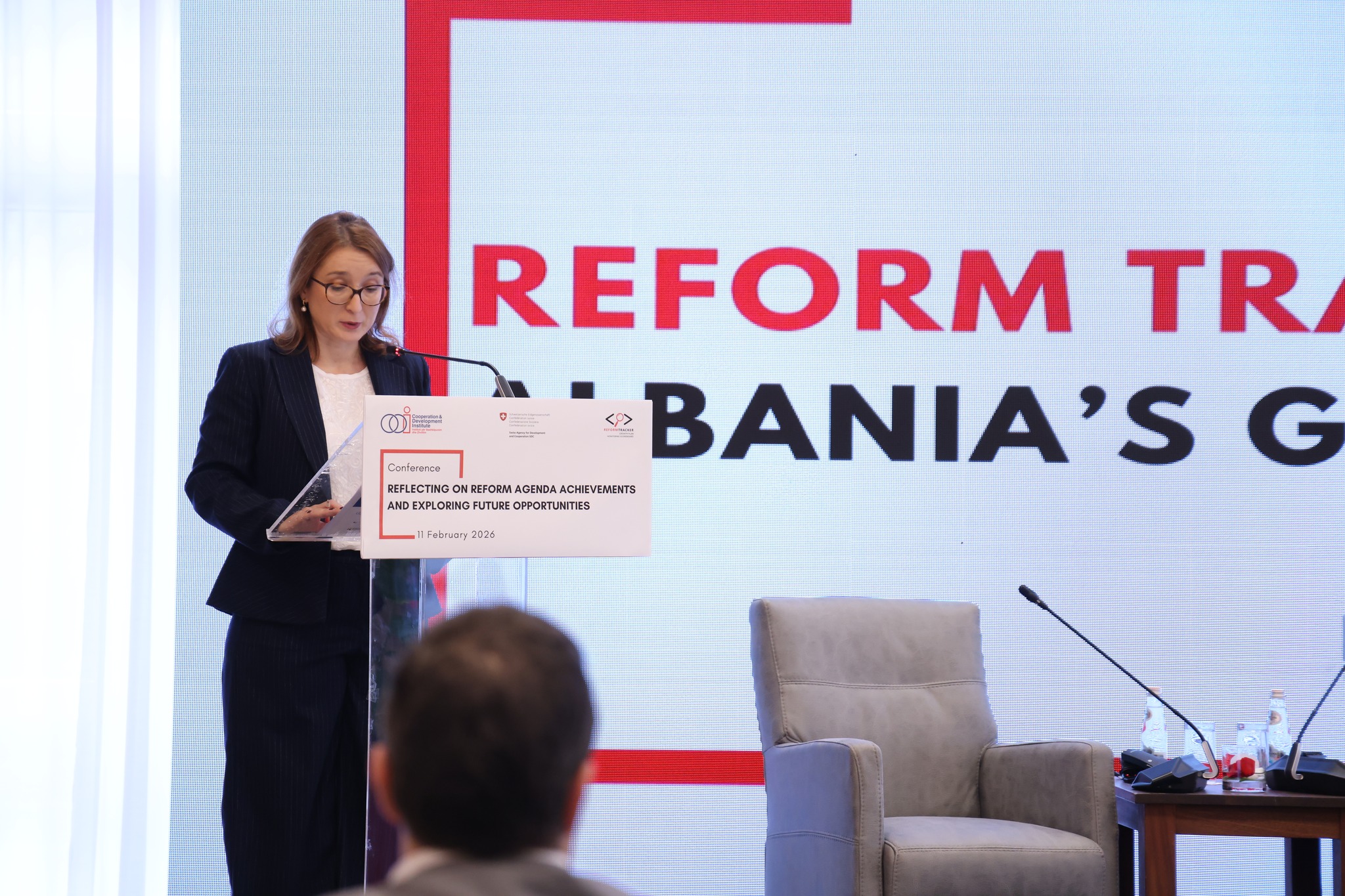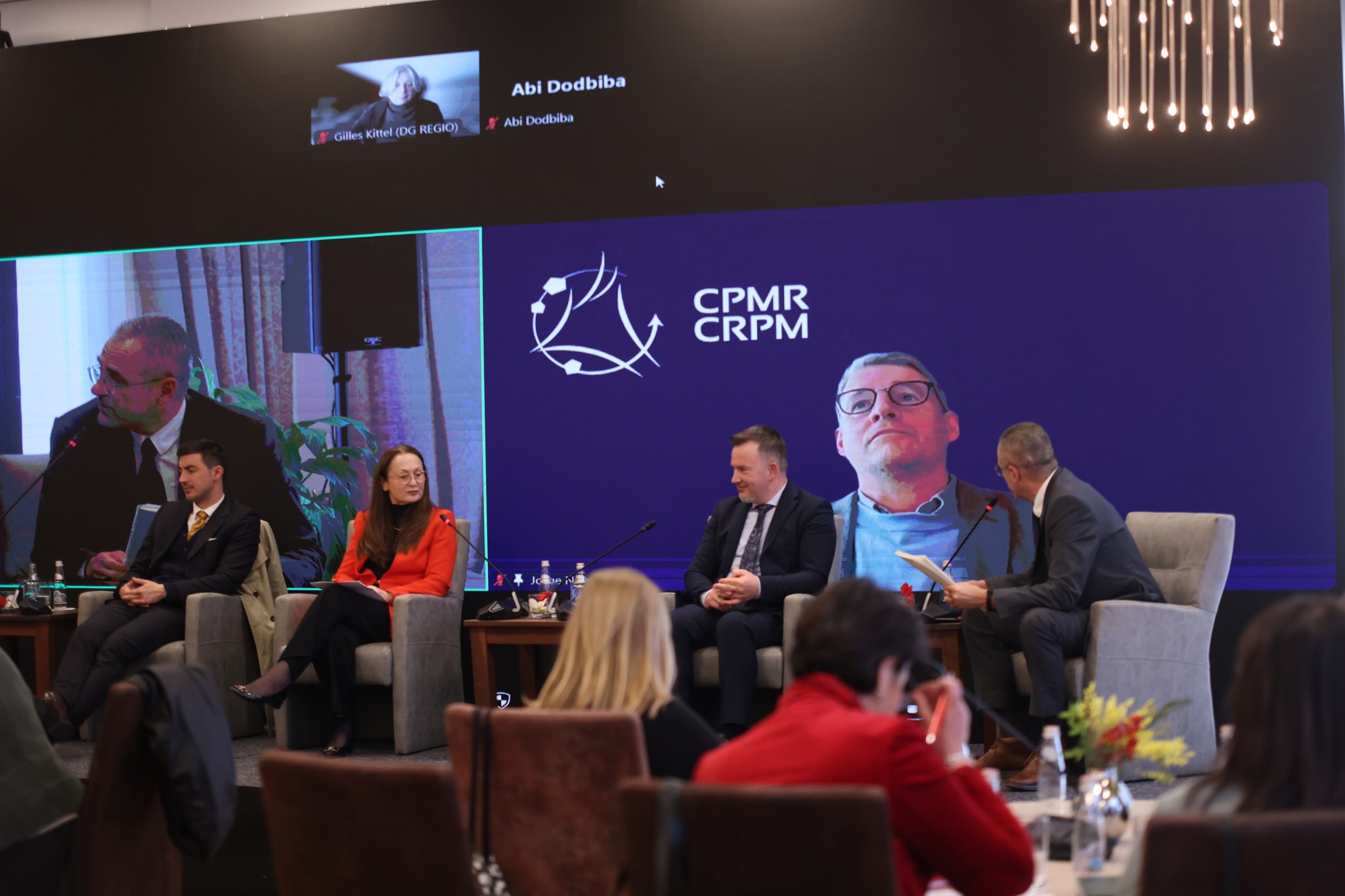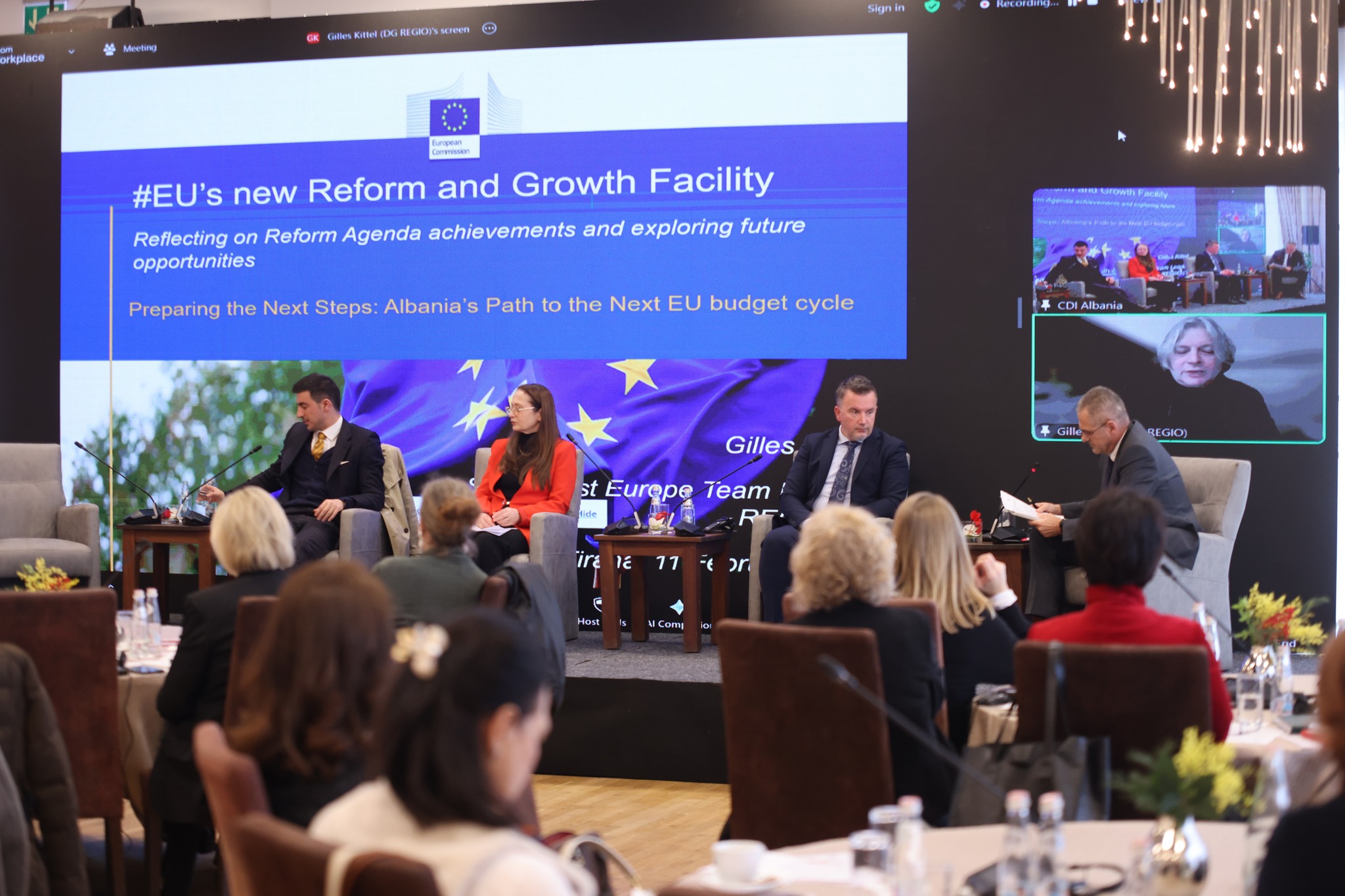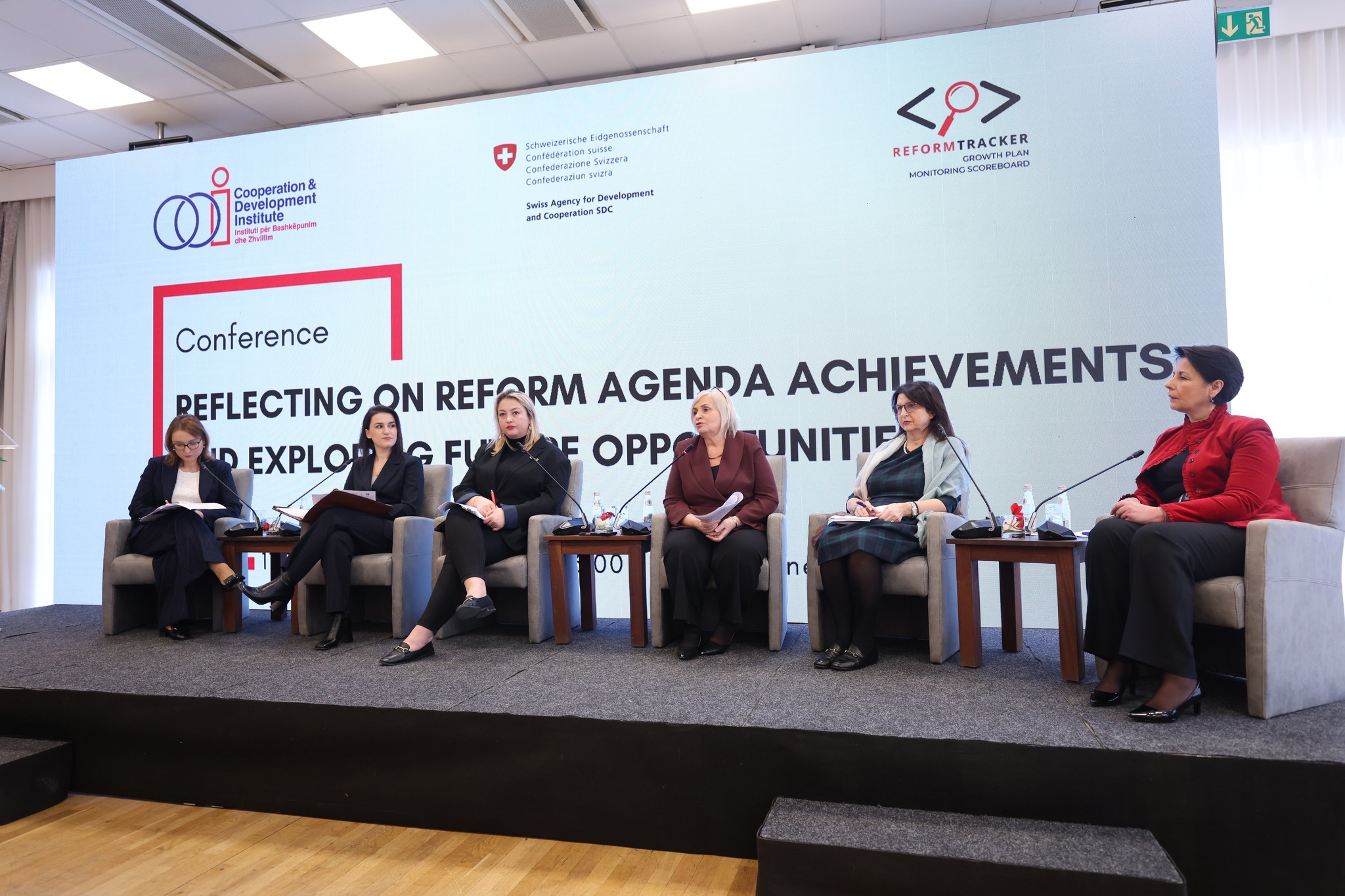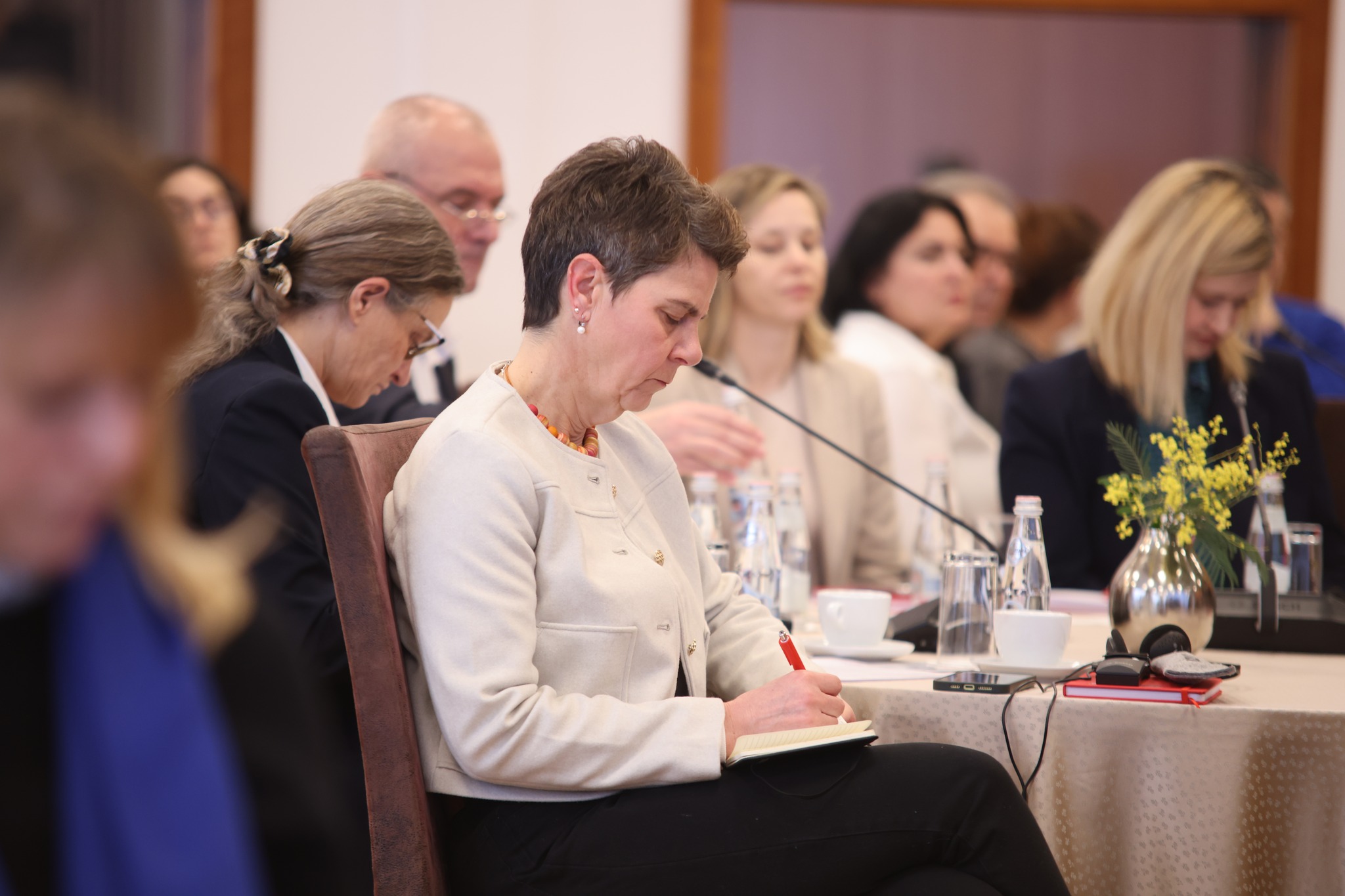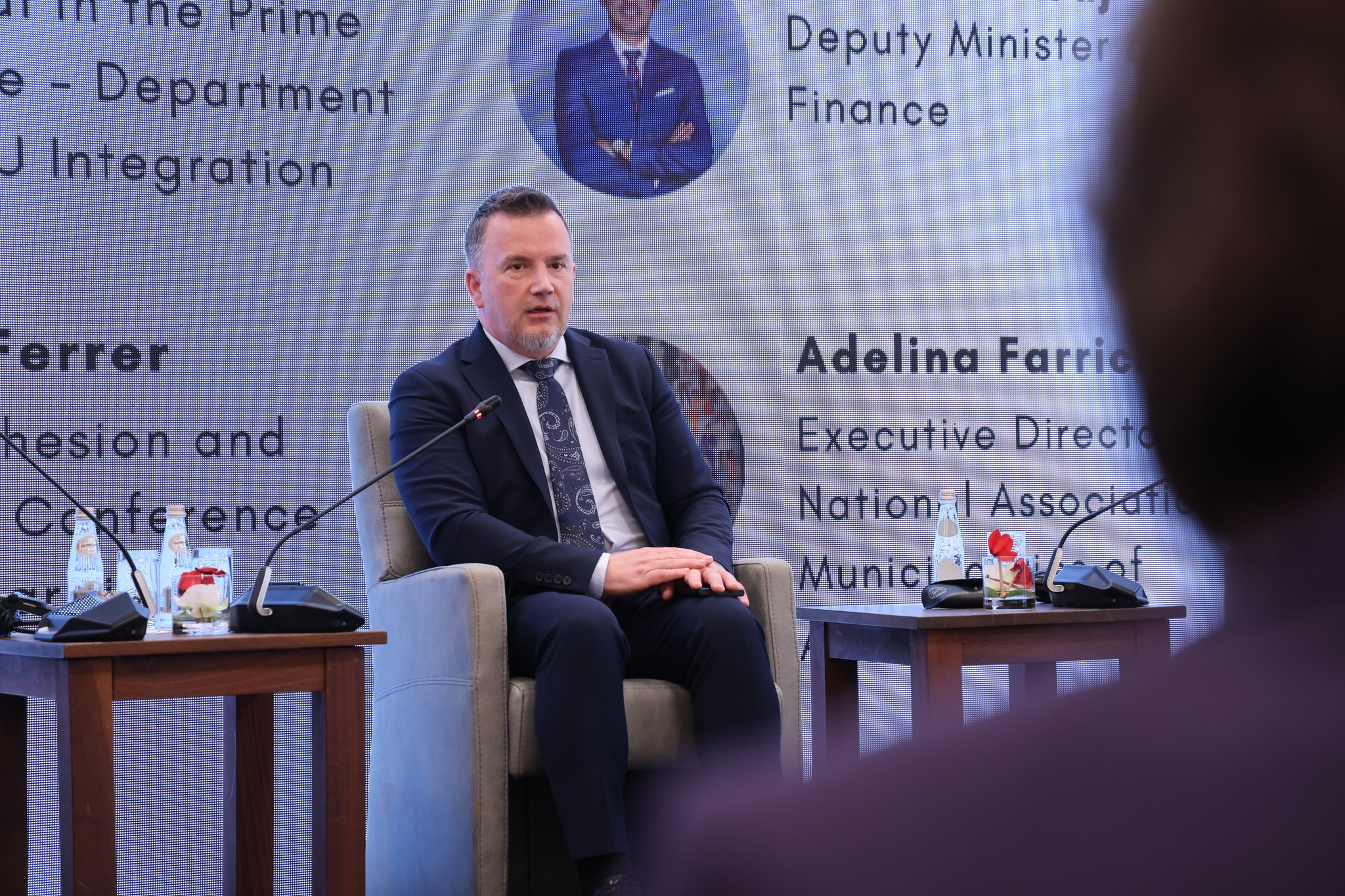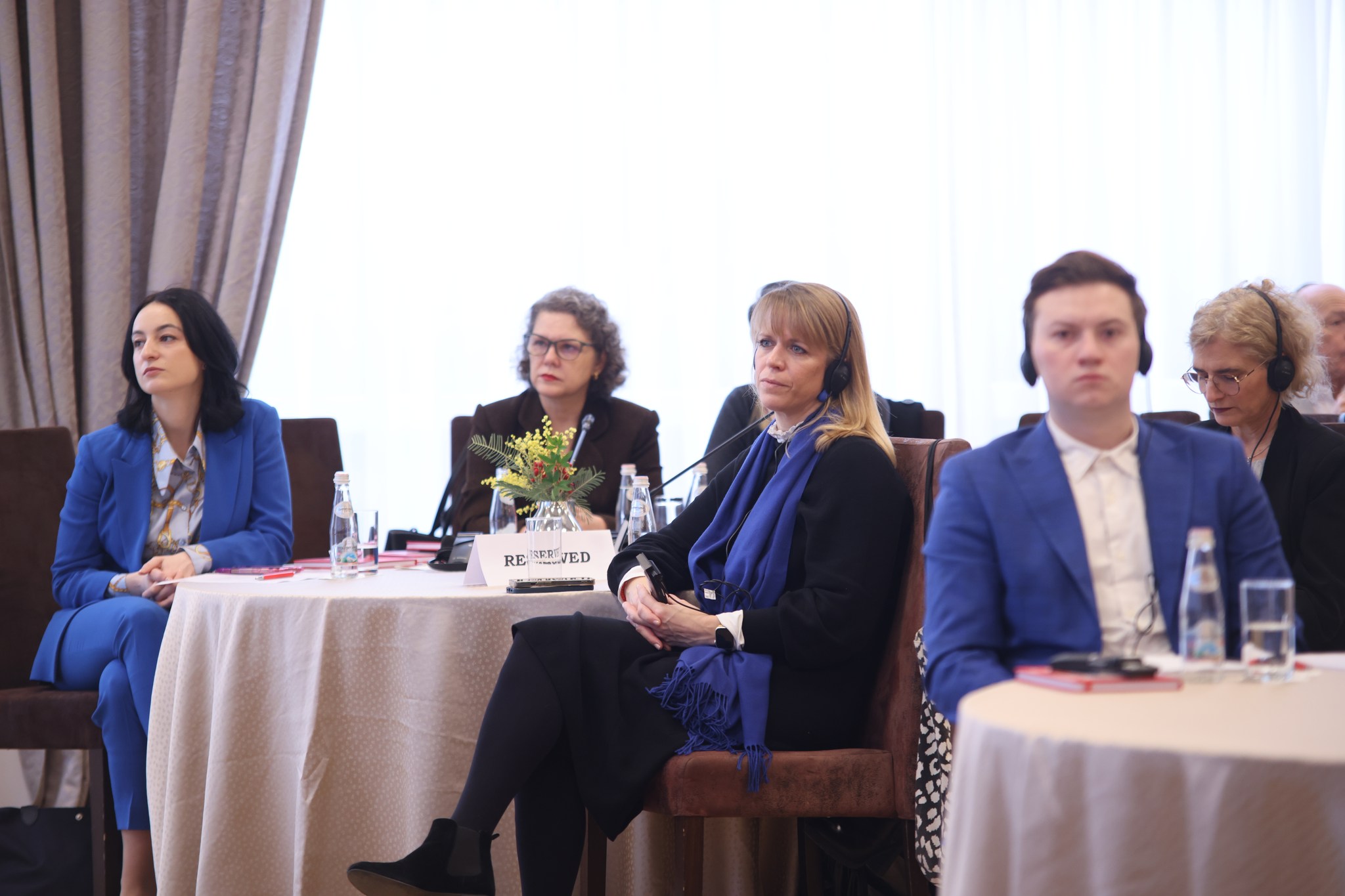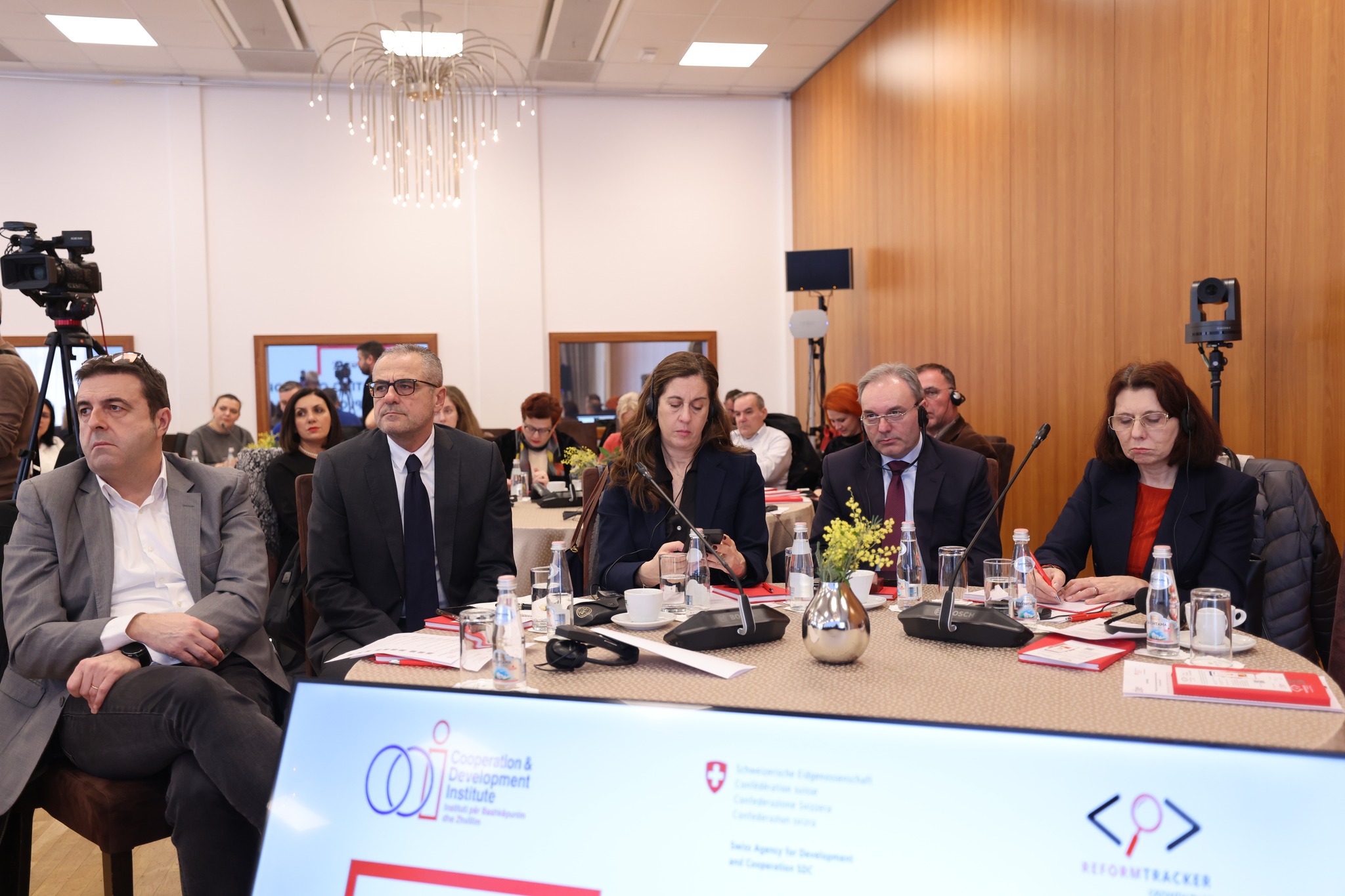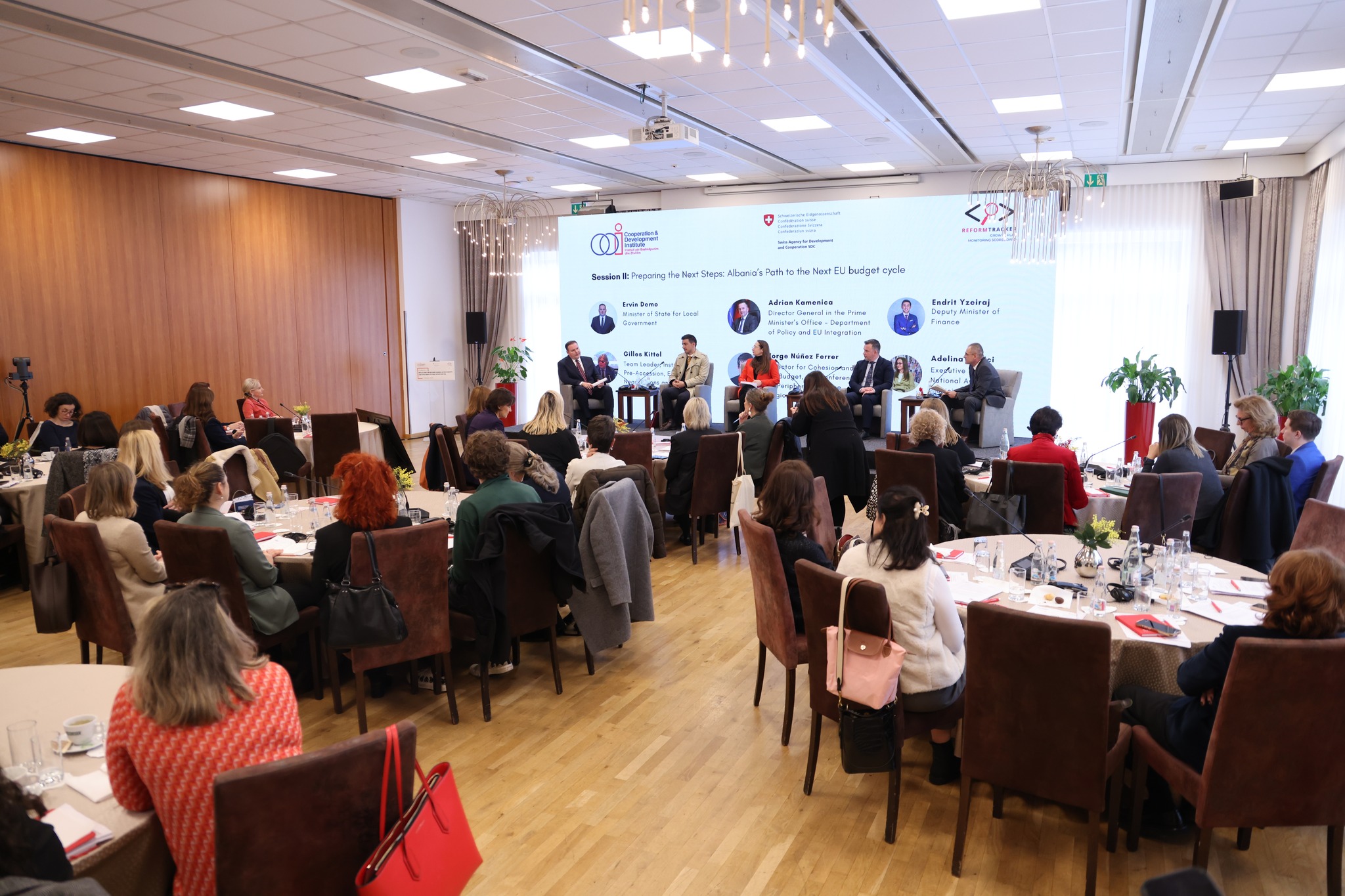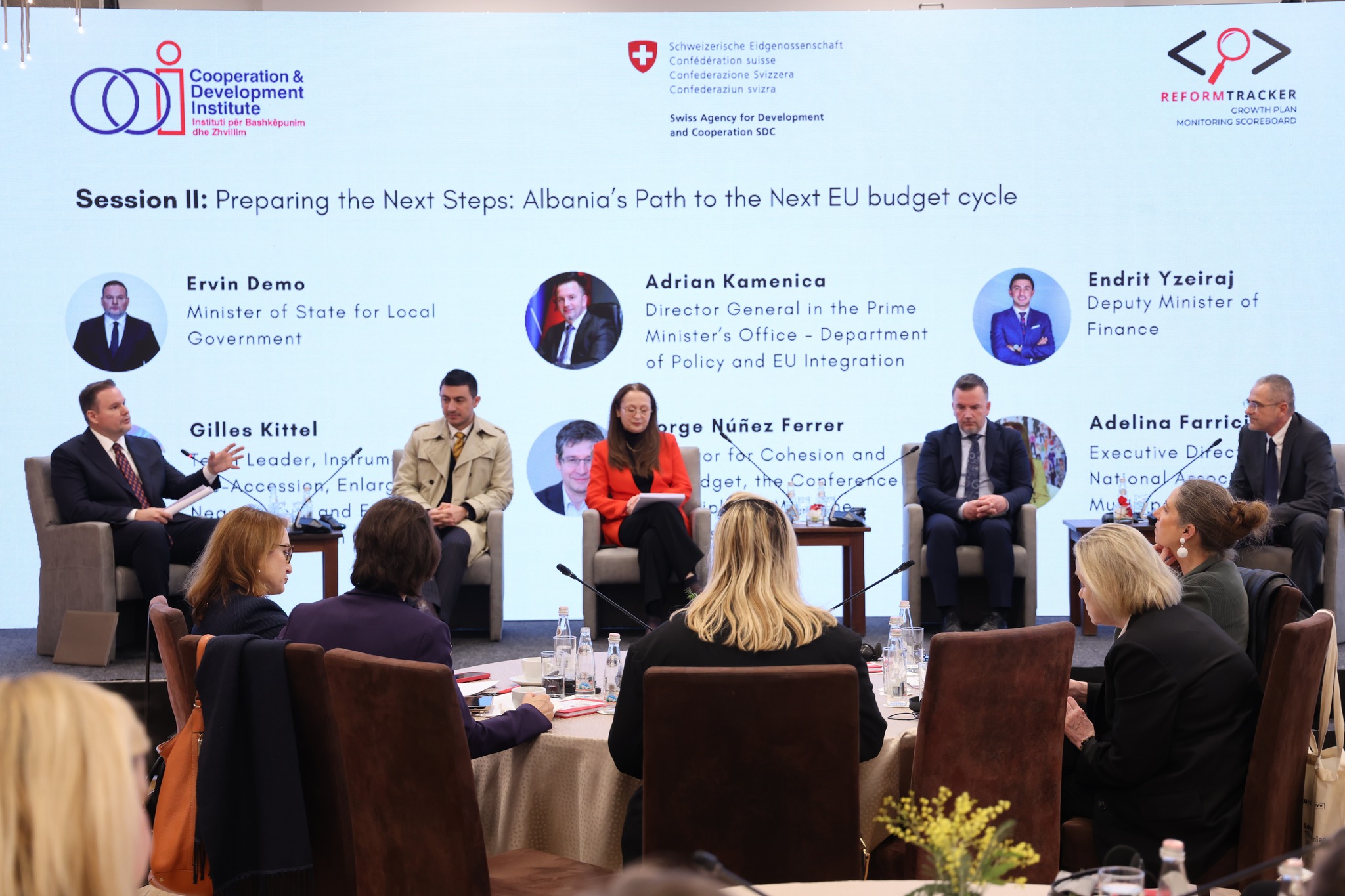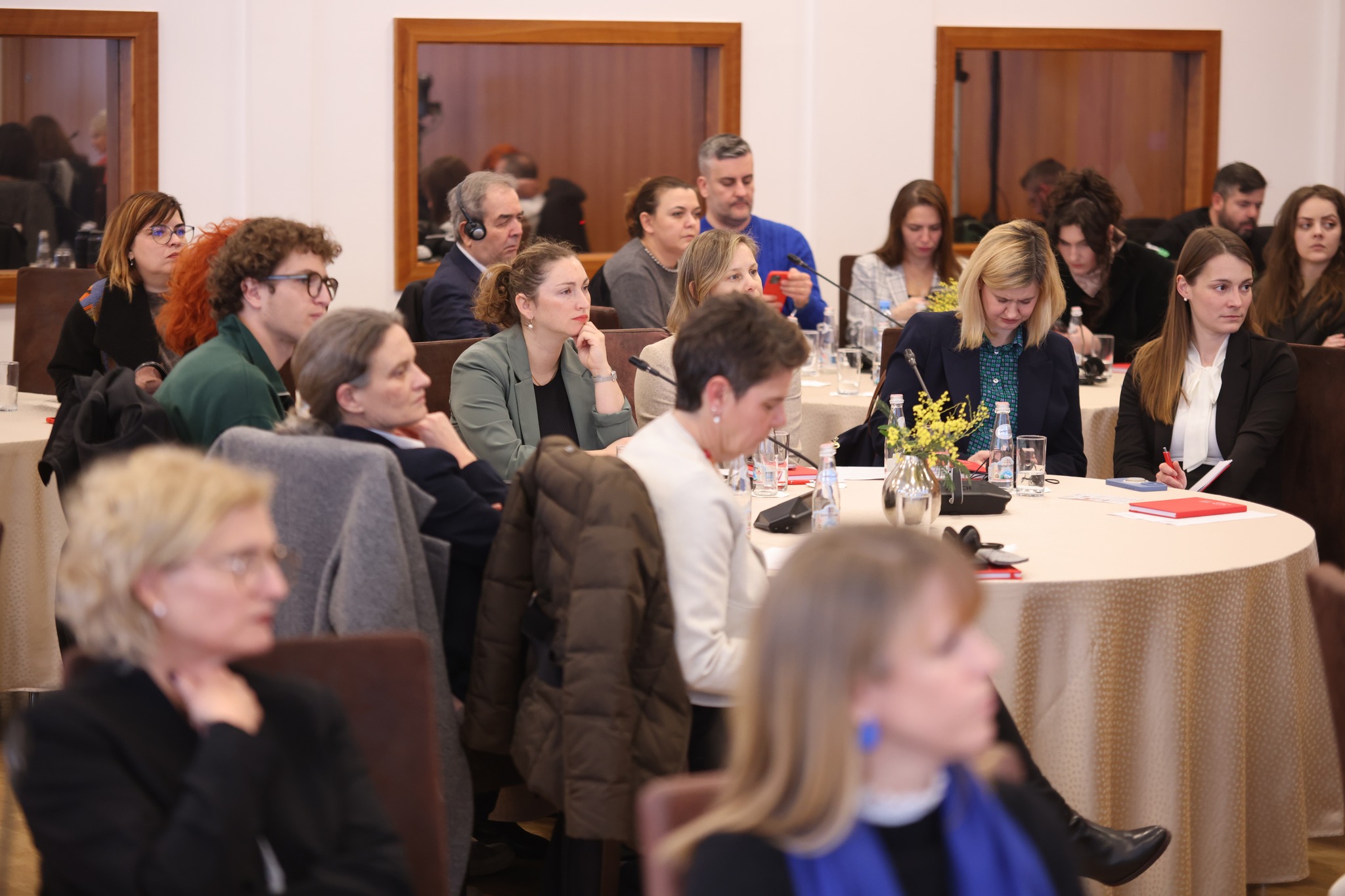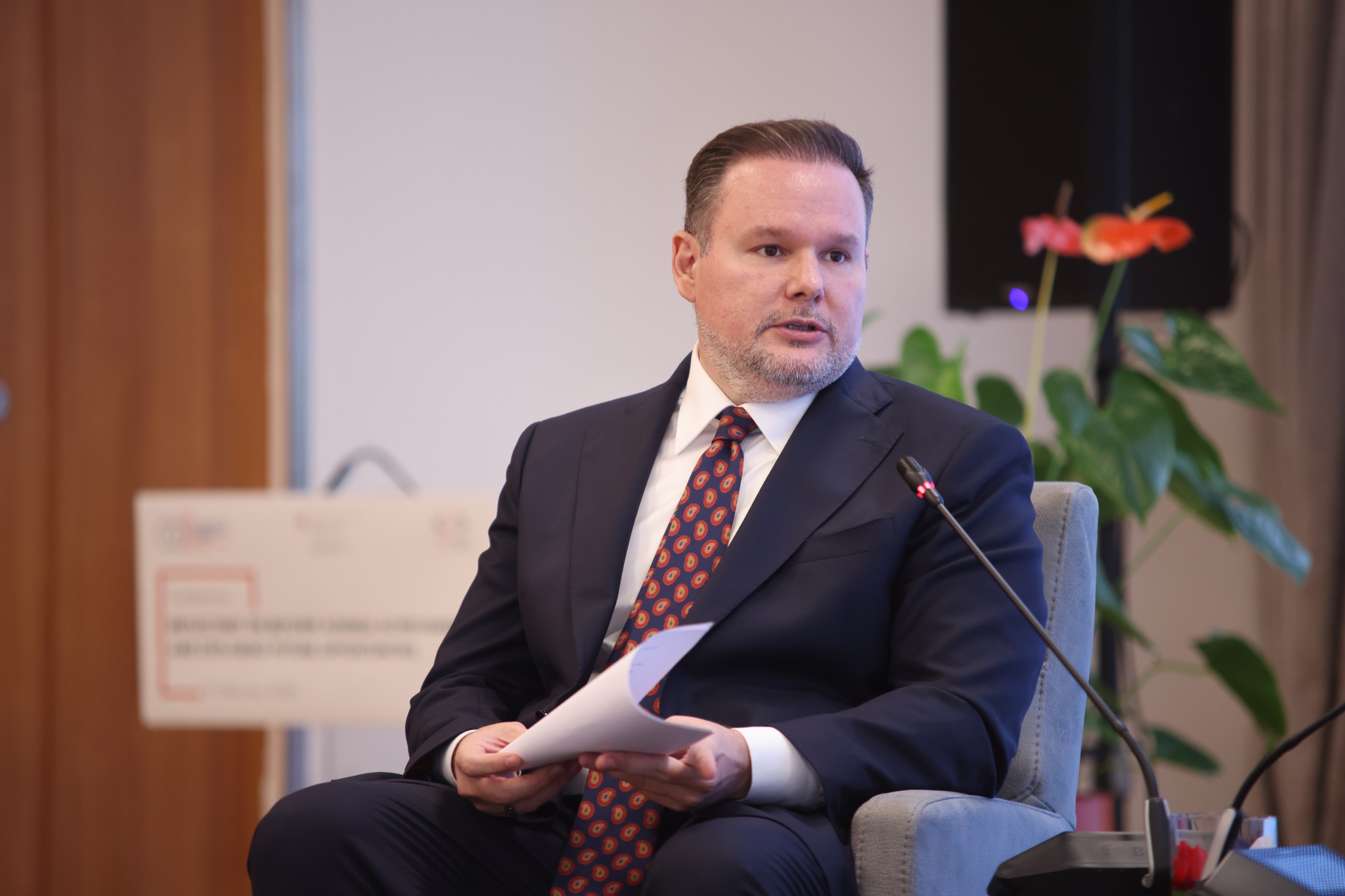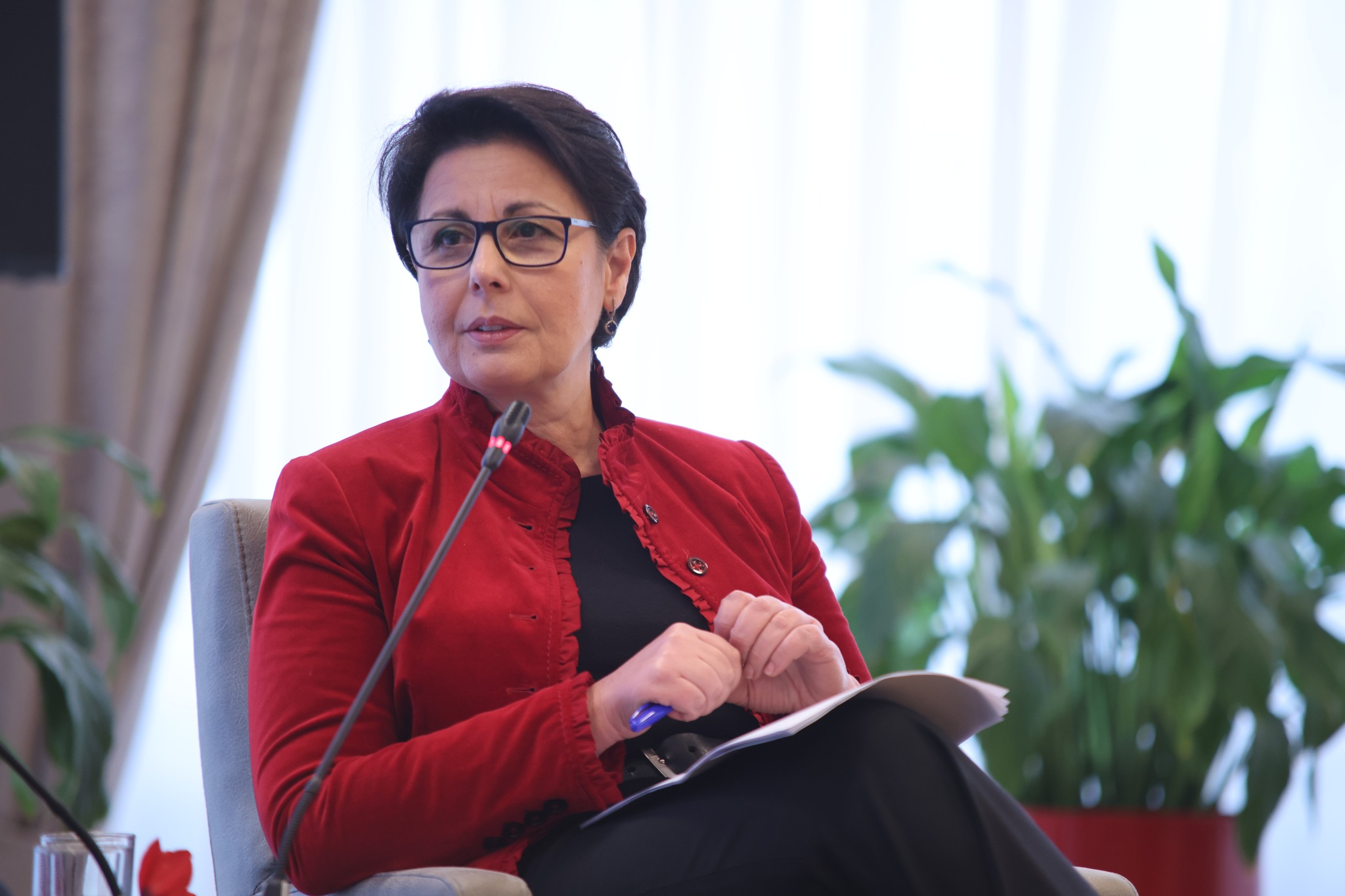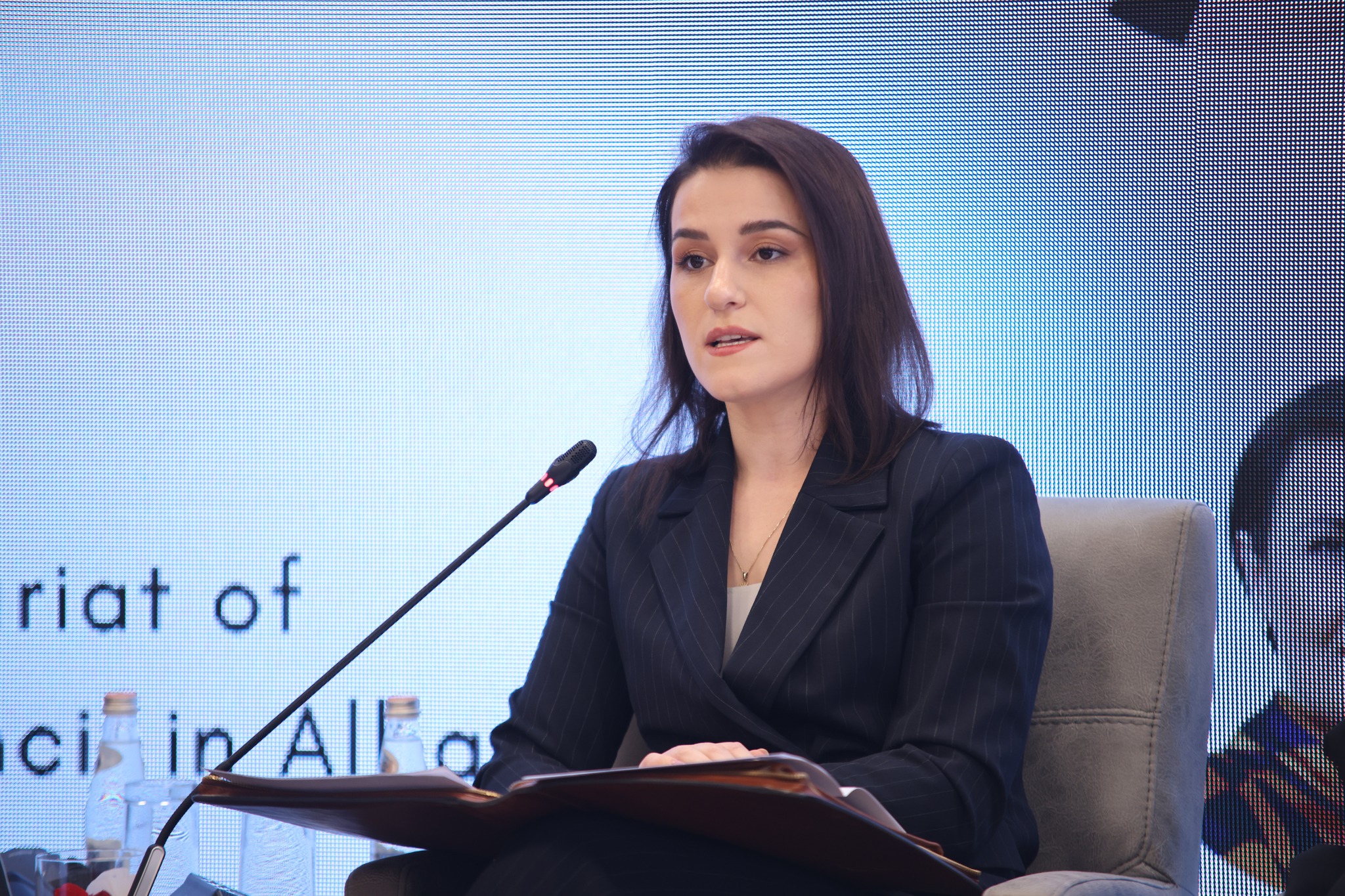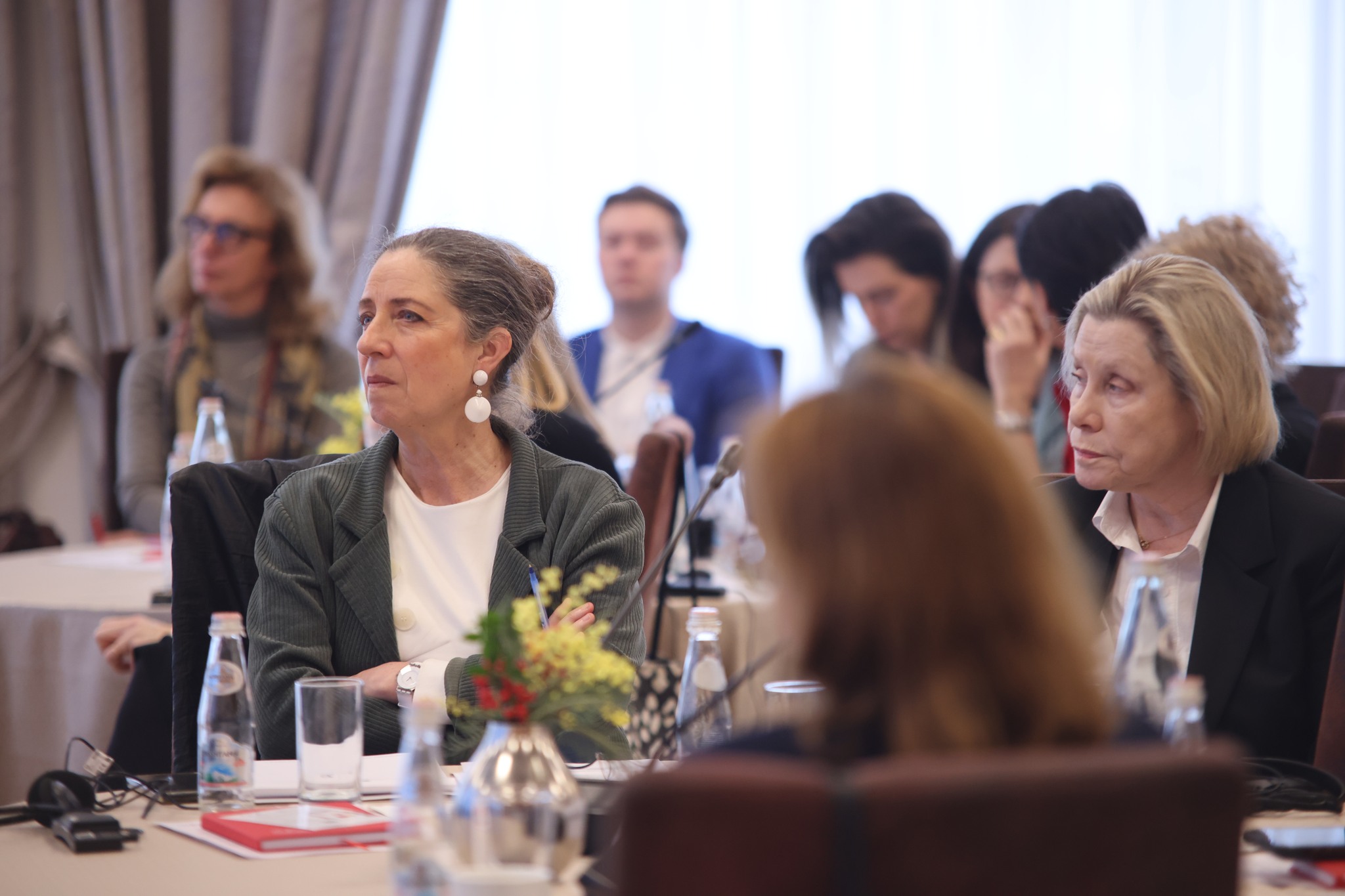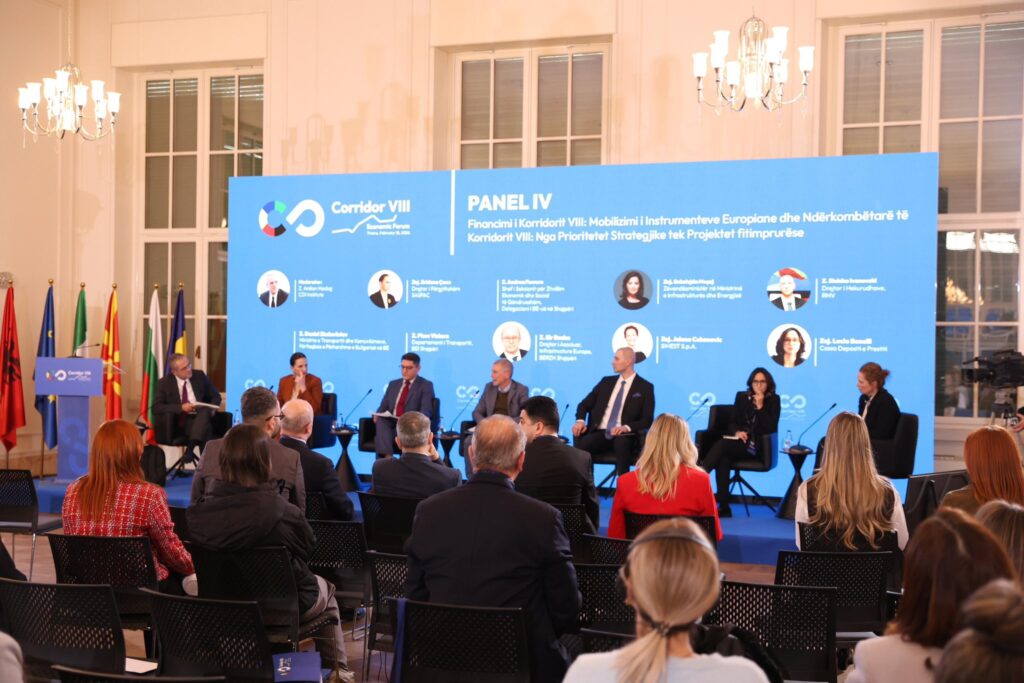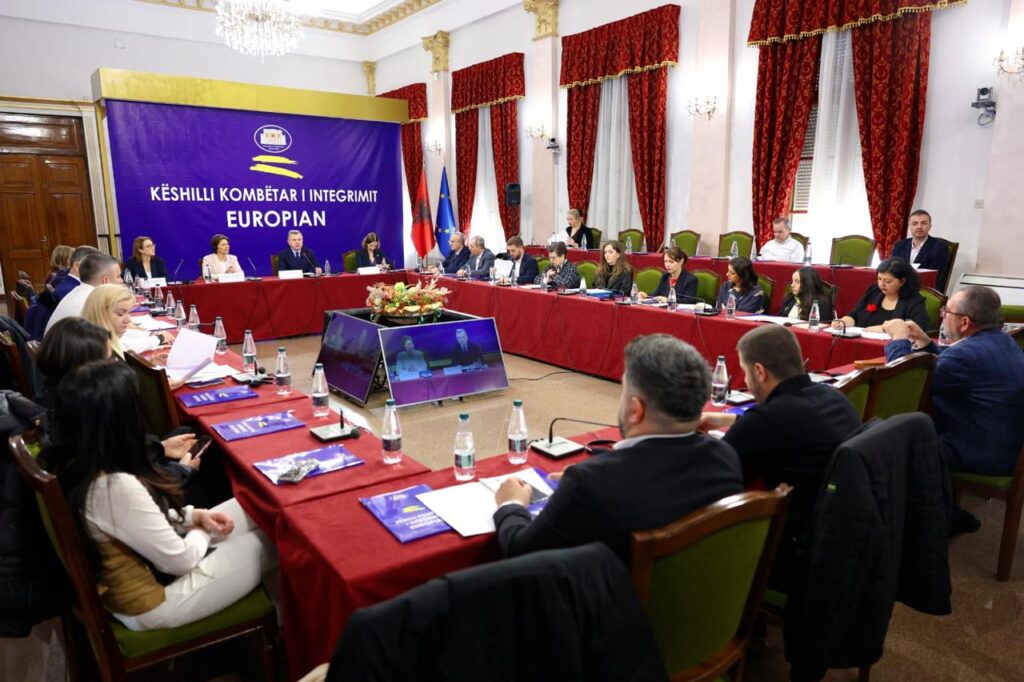


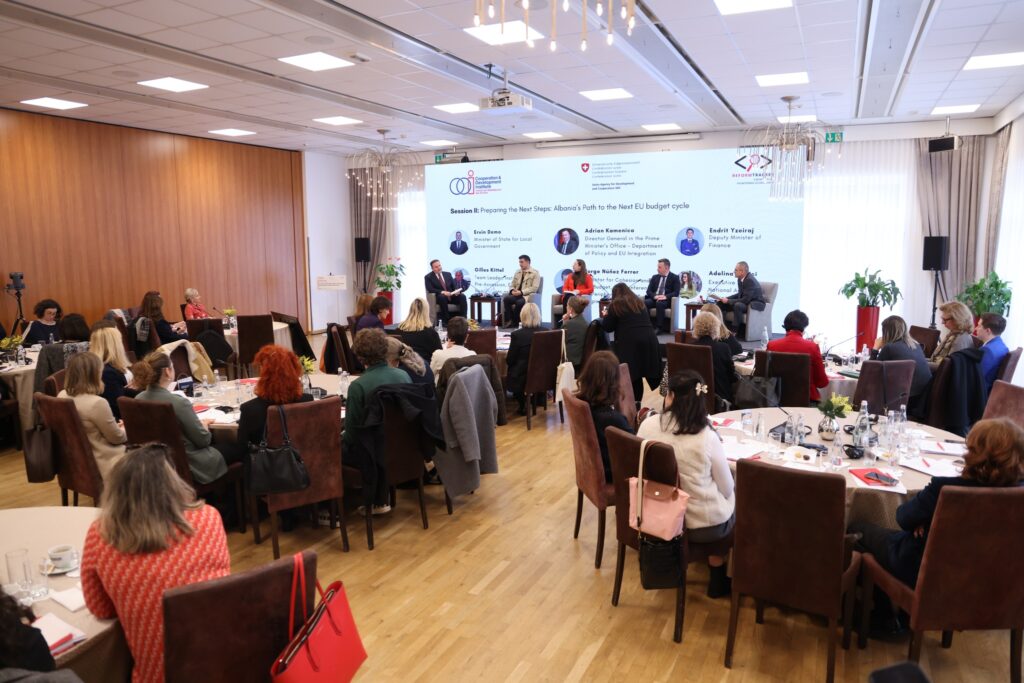
Tirana, 11 February 2026 | Organized by CDI in partnership with the Embassy of Switzerland, the conference “Reflecting on Reform Agenda Achievements and Exploring Future Opportunities,” took place within the initiative focused on enhancing stakeholder engagement and ownership in the implementation of the Reform and Growth Facility.
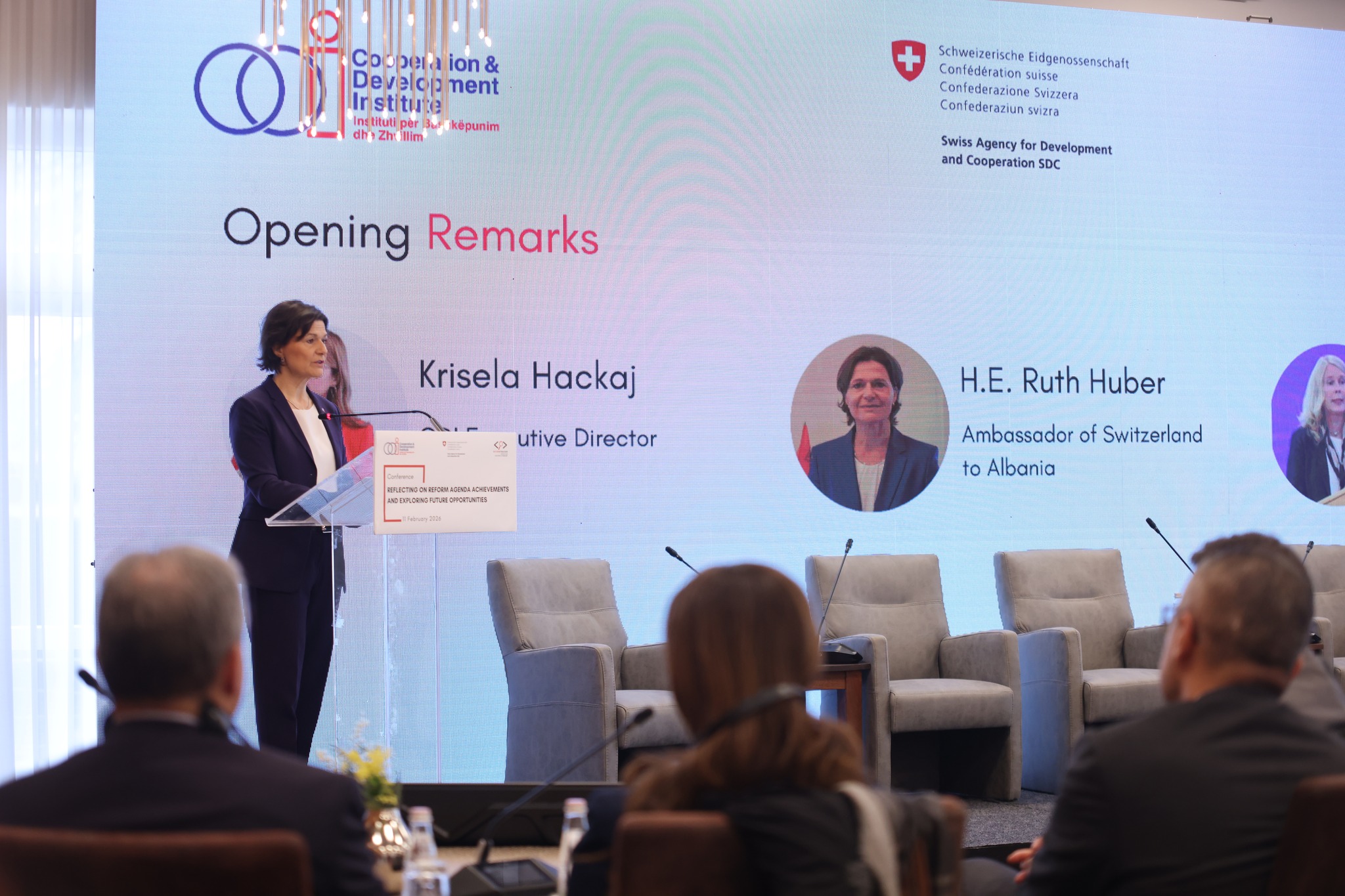
In the opening remarks, CDI Executive Director Krisela Hackaj framed the Growth Plan not simply as a financing instrument, but as a governance framework centred on performance, oversight, and stakeholder participation. She highlighted CDI’s role in facilitating dialogue and monitoring through the Reform Tracker – a tool designed to support data-driven oversight and wider participation.
Swiss Ambassador Ruth Huber emphasized that supporting monitoring and dialogue tools reflects the belief that performance-based reforms can only succeed if understood and followed by a broader range of actors – including civil society, local government, and businesses. The Reform Tracker, she noted, reflects a shift toward evidence-based discussion focused on results rather than commitments.
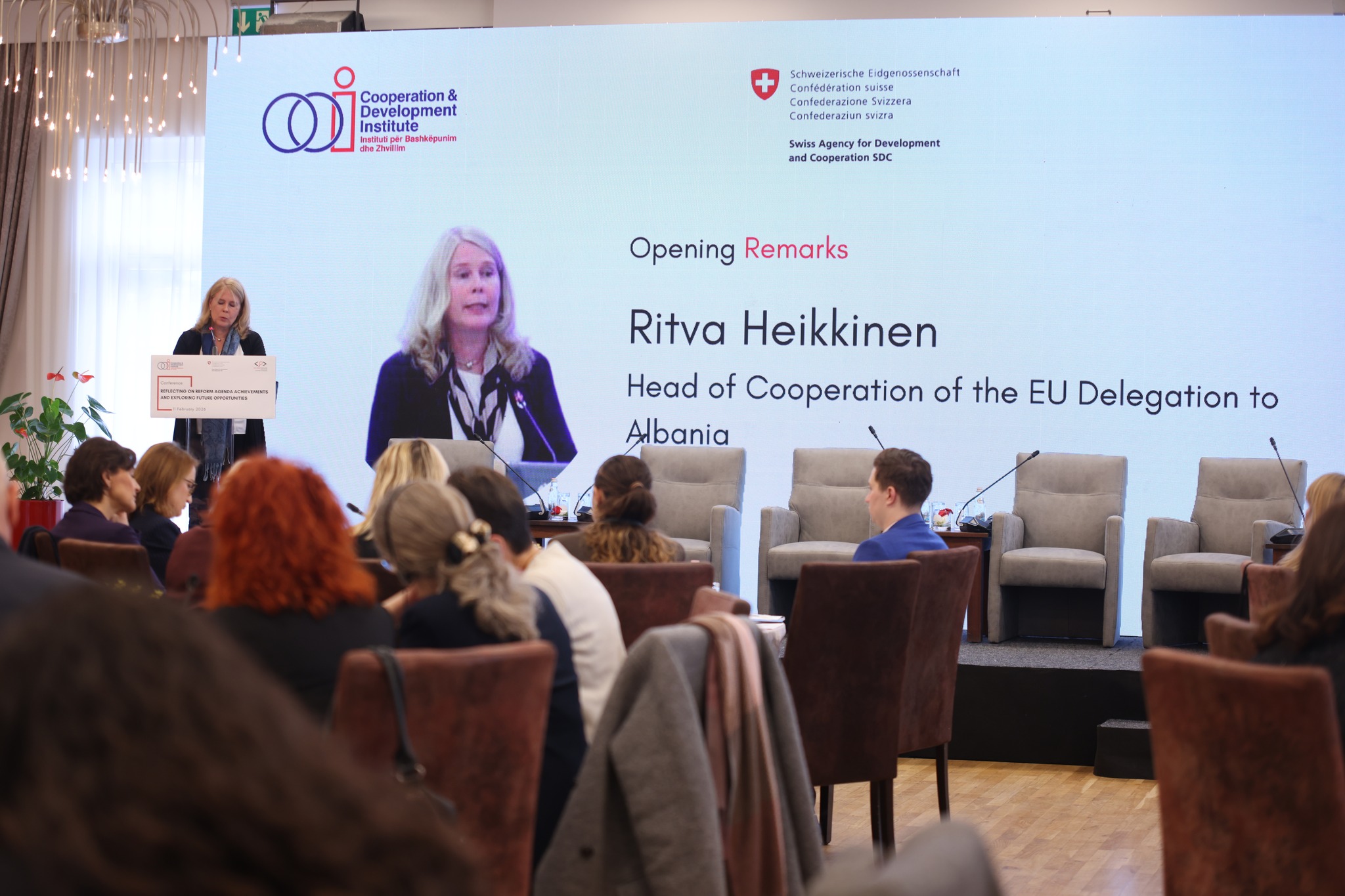
From the EU perspective, Ritva Heikkinen, Head of Cooperation at the EU Delegation, acknowledged Albania’s tangible results and strong political commitment, while stressing that sustained momentum, stronger planning, and broader stakeholder involvement – especially at local level – will be crucial as Albania prepares for future EU funding frameworks.
Driving Reforms through Coordination and Accountability, while recognizing challenges along the way
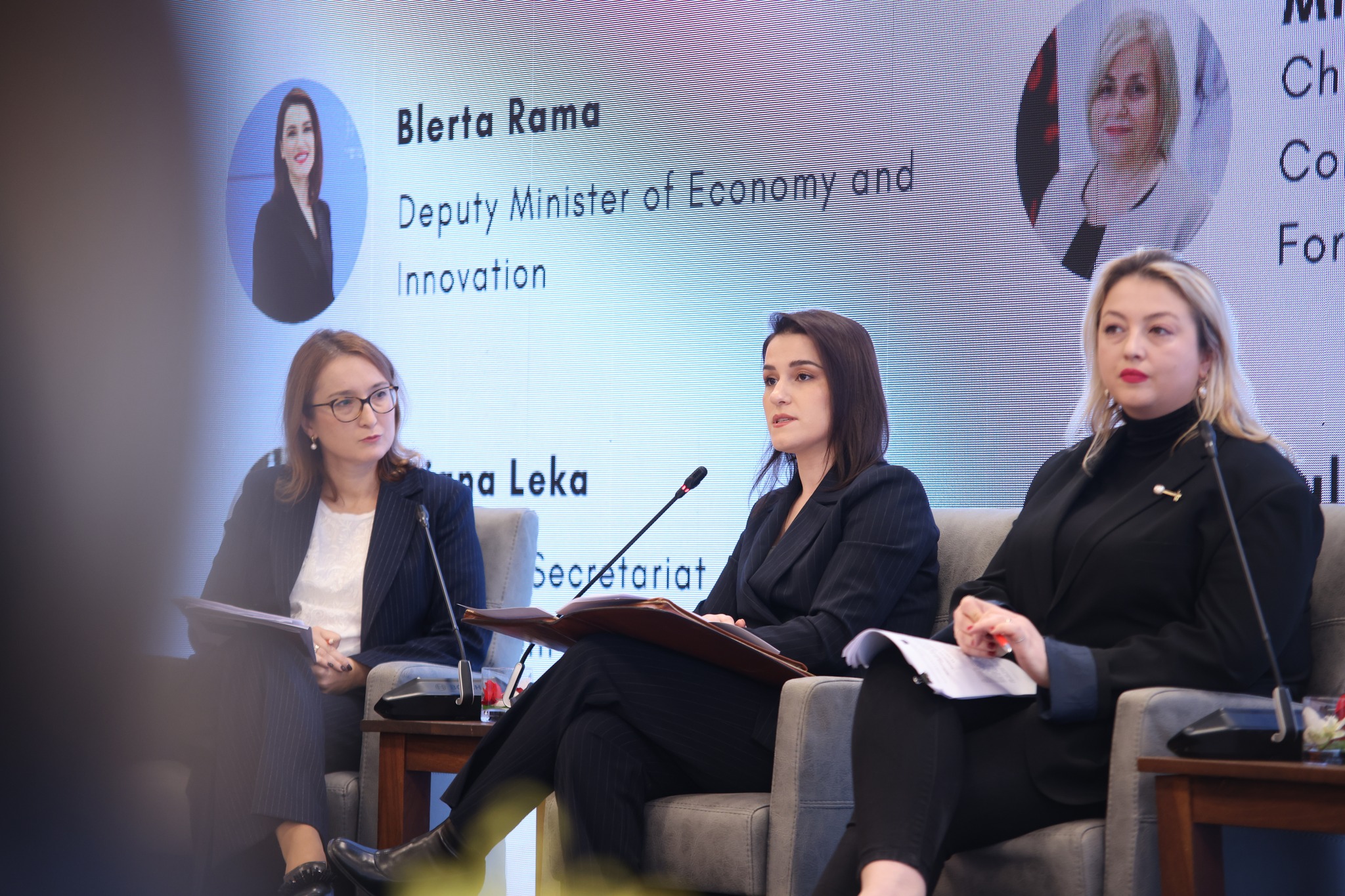
With 8 out of 31 reforms under its responsibility, the Ministry of Economy and Innovation carries the largest share of measures to be implemented. Blerta Rama, Deputy Minister of Economy and Innovation, described the RGF as a turning point in Albania’s reform process. With negotiations advancing and timelines tightening, reforms are increasingly assessed through outcomes rather than legislative alignment alone. Accountability, transparency, and implementation quality have become central, while inter-institutional coordination and local impact remain persistent challenges.
This performance-driven logic is underpinned by a coordination architecture outlined by Lorela Simoni of SASPAC. Structured weekly reporting cycles, inter-ministerial working groups, and monitoring protocols directly linked to financial disbursements have enabled Albania to advance under performance pressure and to stand out at regional level. Early implementation results demonstrate progress, though verification indicators, sources and requirements, as well as administrative capacity constraints remain structural limitations – Ms Simoni underlined.
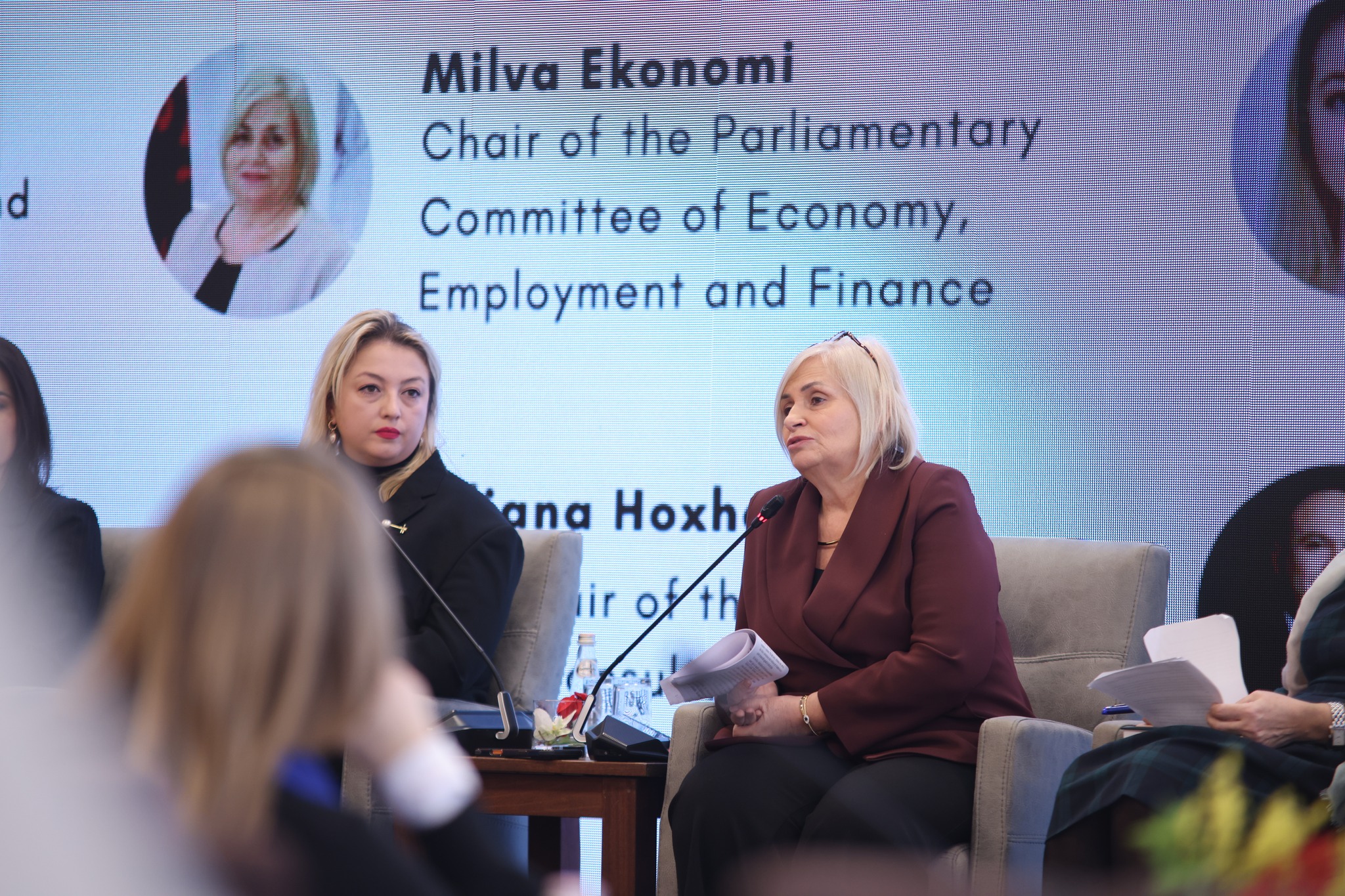
Milva Ekonomi, Chair of the Parliamentary Committee on Economy, Employment, and Finance, stressed that the current accelerated legislative alignment must be matched with stronger oversight tools, including the Reform Tracker, ex-post monitoring, and corruption-proofing mechanisms. In a performance-based system, parliamentary scrutiny must evolve alongside executive delivery to ensure that financial transparency of EU funding is ensured and the speed does not compromise democratic accountability.
The Societal Ownership check test
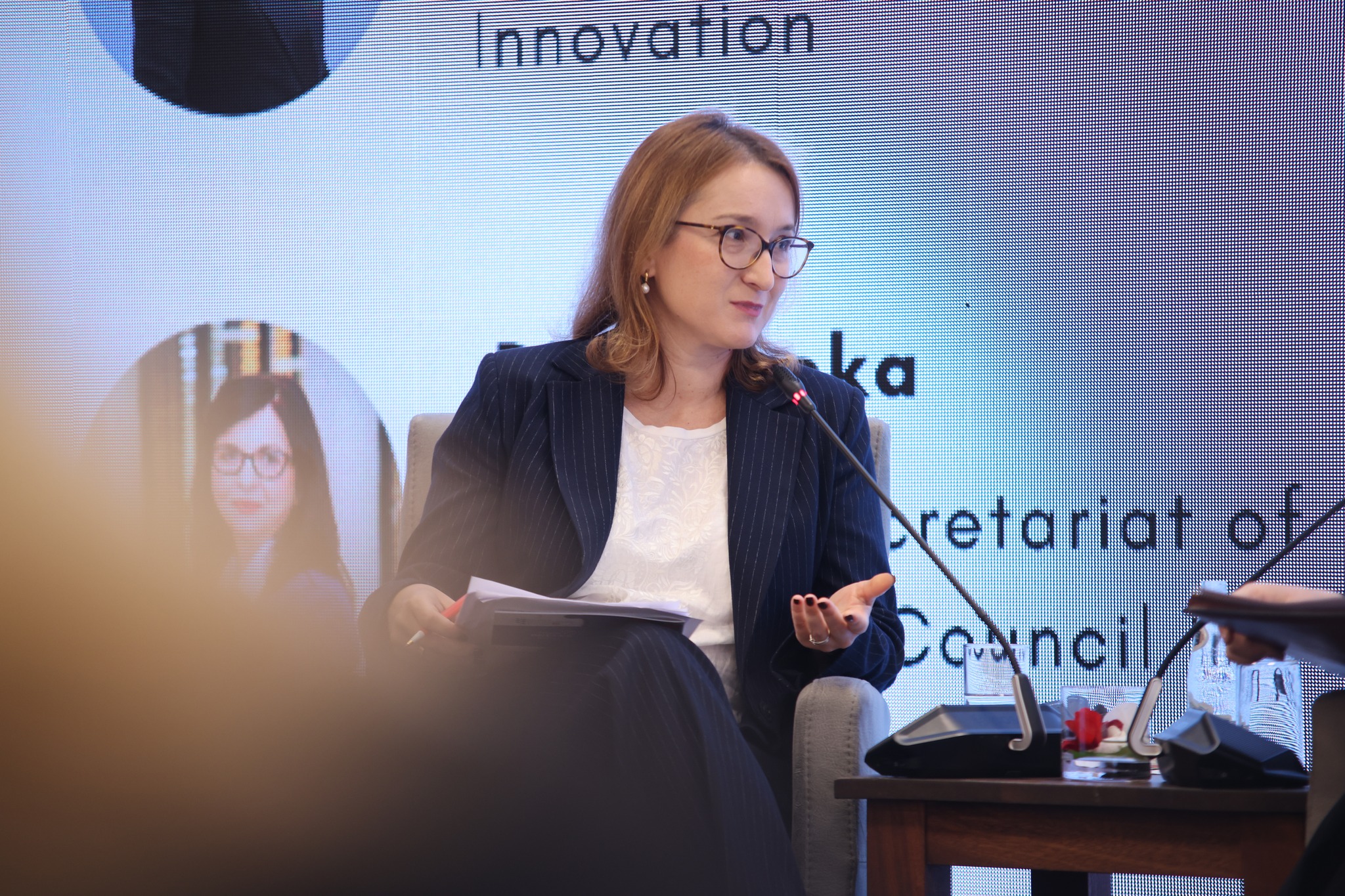
From the business perspective, Diana Leka, from Albanian Investment Council, highlighted a clear paradox: optimism about EU integration coexists with concerns about weak consultation structures and uneven policy dialogue. Businesses see opportunities but expect stronger communication channels and more visible incorporation of feedback. Reform ownership, she argued, depends on real engagement – businesses must organize and participate, but institutions must consult meaningfully and respond visibly.
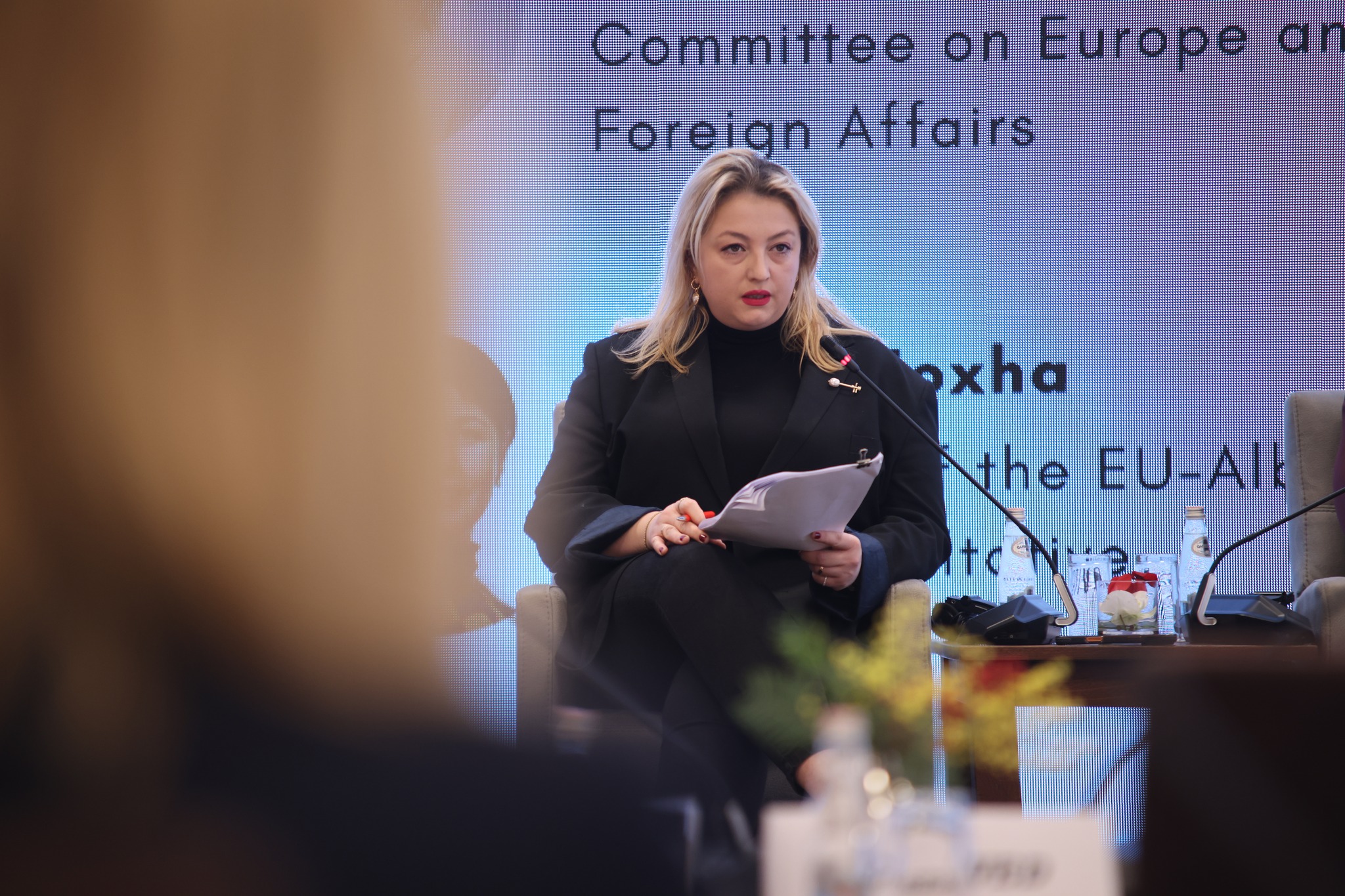
Juliana Hoxha, Co-Chair of the EU-Albania Joint Consultative Committee, argued that participation often remains procedural rather than influential. Her recommendations focused on making RGF implementation publicly traceable, strengthening the Monitoring Committee into a genuine governance body, ensuring dedicated funding for civic engagement, embedding parliamentary and social partners scrutiny, and applying equal transparency standards to WBIF-linked investments.
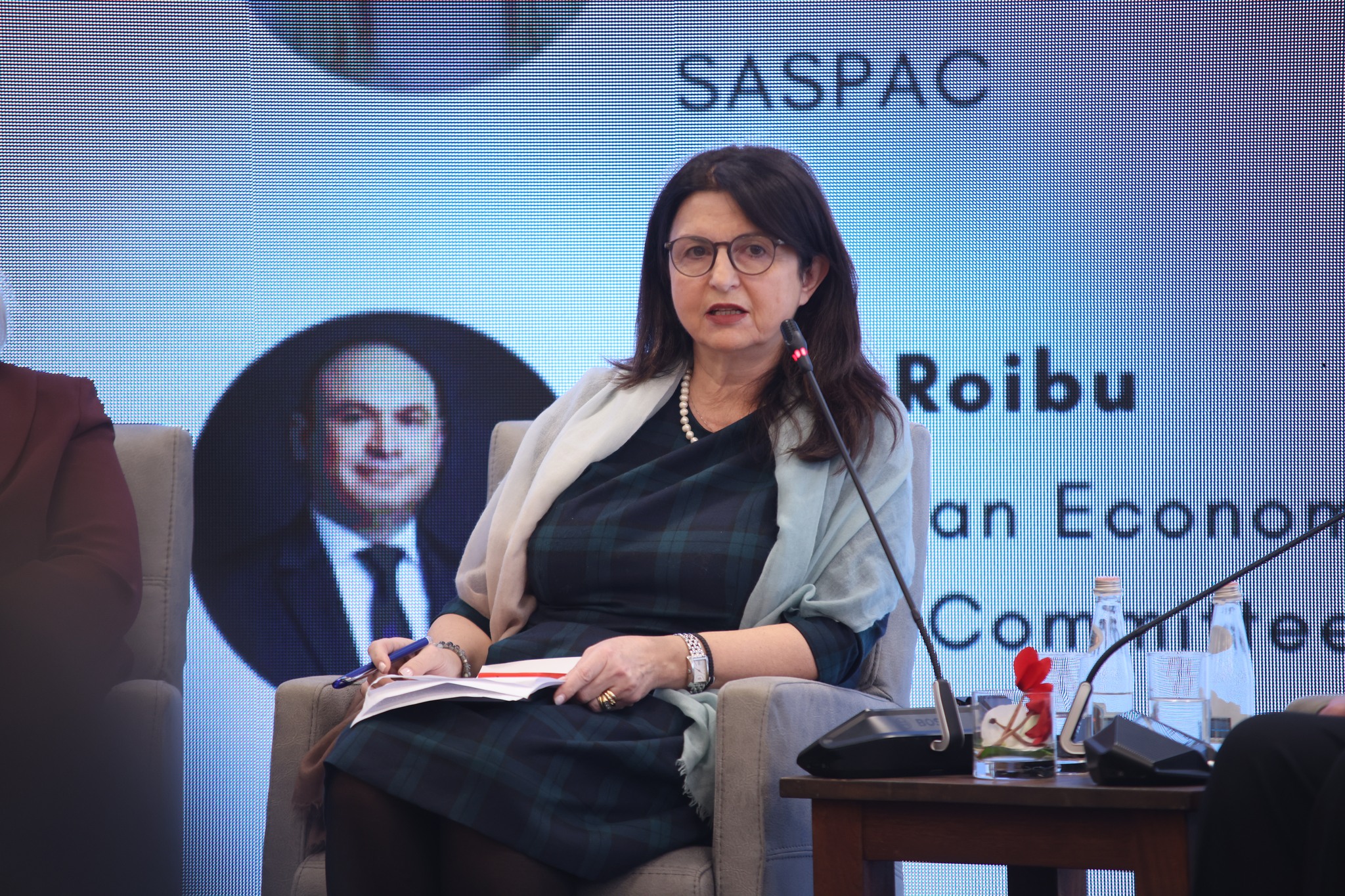
Adding a broader European civil society perspective, Oleg Roibu from the European Economic and Social Committee (EESC) stressed that civil society participation is a structural condition for credible enlargement, not an optional add-on. Referring to the EESC ongoing work on the opinion for the Cypriot Presidency on the role of civil society in the Growth Plans for the Western Balkans, Moldova, and Ukraine, he warned that limited capacity, weak monitoring, and insufficient stakeholder inclusion risk creating governance deficits that can undermine both fund absorption and public trust. Consultation mechanisms, he argued, must move from ad hoc practices to permanent institutional structures, ensuring genuine representation of employers, workers, and civic organisations, alongside local and regional authorities.
2026: A Decisive Year for the Municipalities
Local authorities have so far been largely excluded from the Reform and Growth Facility. A key message of the Conference was that the local government is no longer peripheral – it needs to become a structural pillar of Albania’s EU accession readiness.
Ervin Demo, Minister of State for Local Government, described municipalities as entering a decisive period. Territorial reform, accelerated EU integration, and performance-based financing are converging, making 2026 a crucial year for local government. A key innovation is the introduction of performance-based grants, designed to shift evaluation from administrative procedures to measurable service delivery outcomes – part of a broader “performance ecosystem” linking local and central governance.
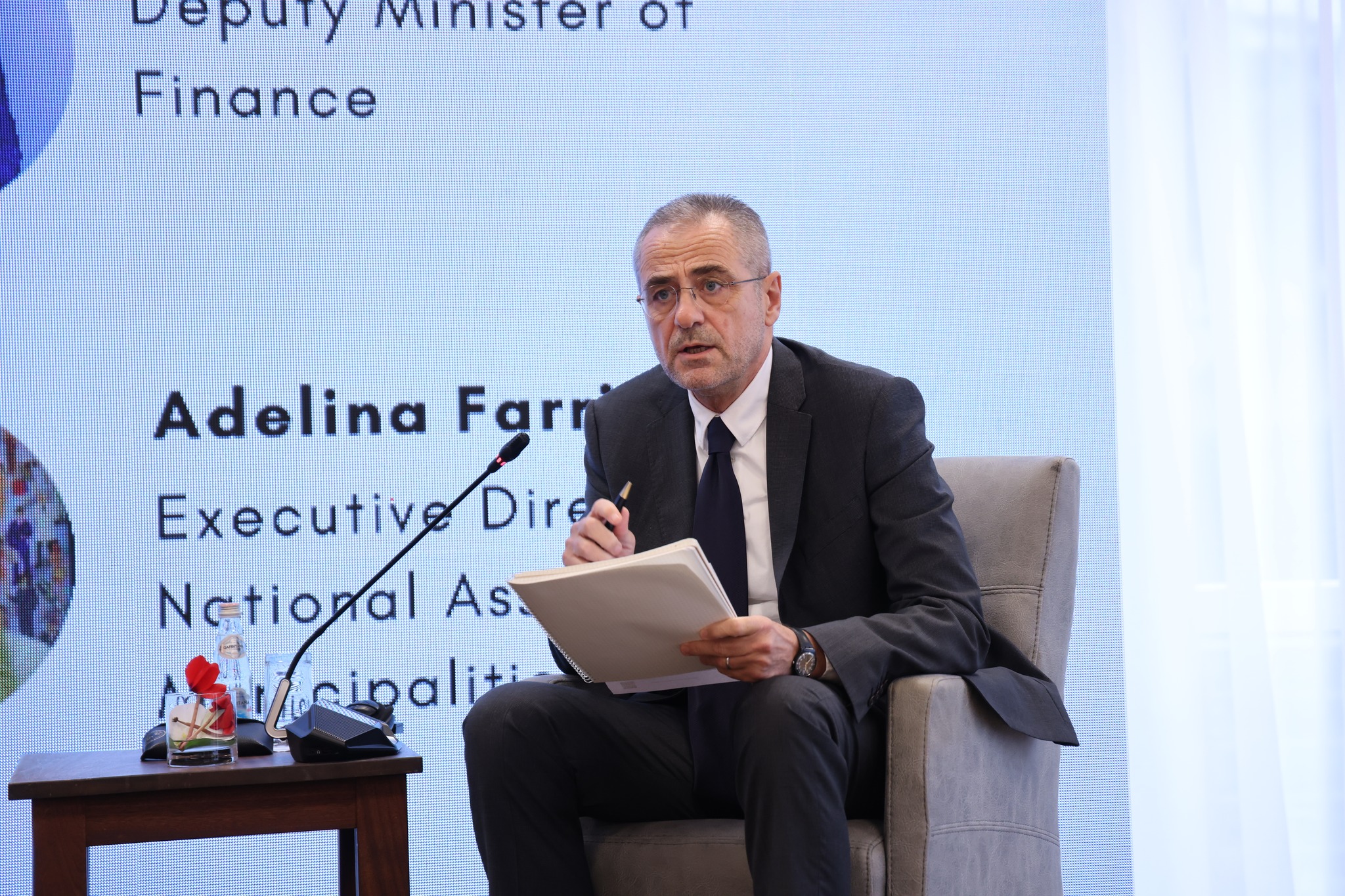
However, readiness remains uneven. Adelina Farrici, from the National Association of Municipalities of Albania stressed that municipalities were not sufficiently involved early in legal alignment and now face growing responsibilities with limited resources. While progress in service delivery is visible, many municipalities still lack the human and technical capacity required for performance-based funding. IPA and INTERREG cross-border cooperation programmes have helped build experience, but capacities remain concentrated among a limited number of local administrations.
Preparing for the next EU budget
Adrian Kamenica from the Prime Minister Office, outlined Albania’s ambition to close negotiation chapters by 2027 and be technically ready to engage with the next EU budget cycle from day one the new budget enters into force. He described the RGF as a performance-based rehearsal for future EU governance requirements, helping institutions prepare for a significantly larger financial and administrative burden, particularly in sectors such as environment and agriculture.
He acknowledged that institutional capacity remains the core challenge, as civil servants manage accession negotiations, reform reporting, and daily responsibilities simultaneously. While consultation mechanisms exist – with draft laws published well in advance – stakeholder engagement remains limited. Looking ahead, he highlighted efforts in developing a new monitoring system with reward-based incentives for institutions and civil servants, noting that CDI’s Reform Tracker offers a useful model for independent oversight.
From the fiscal perspective, Endrit Yzeiraj, Deputy Minister of Finance stressed that planning and investment framework must solidify and evolve toward impact measurement, supported by new analytical and digital tools. Future EU funding, he implied, will demand justification not only of spending but of results. The challenge now is moving from planning ahead to planning well – measuring the actual impact of investments.
Preparing for the future Cohesion Policy
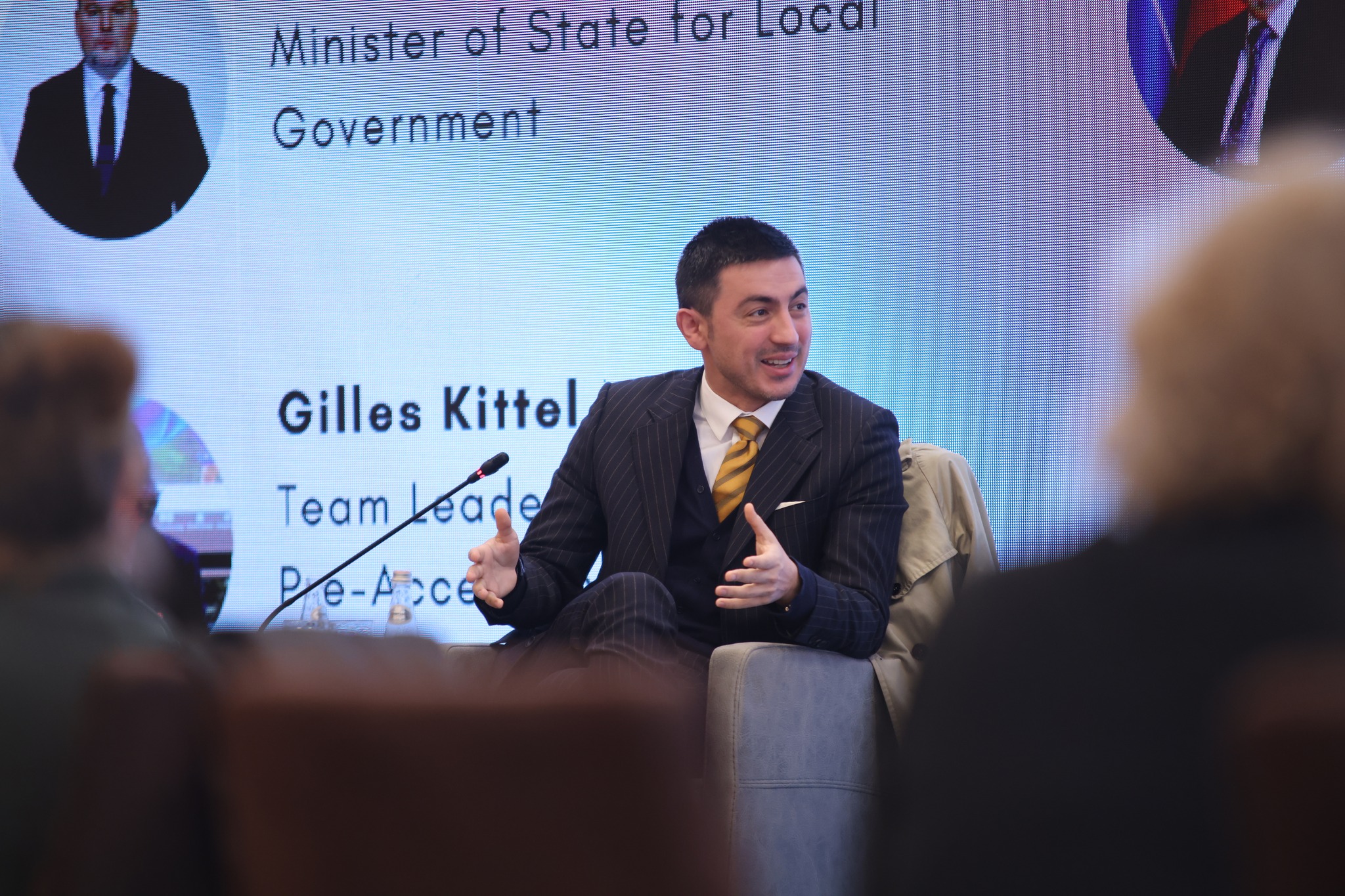
Gilles Kittel of the Directorate-General for Regional and Urban Policy from European Commission presented current developments at EU level on the future of the Cohesion Policy. He highlighted that future cohesion policy discussions point toward stronger multi-level governance, integrated national–regional planning, and performance monitoring systems capable of linking outputs to funding decisions. Municipalities, therefore, will need significantly stronger data and administrative systems. The partnership principle means engaging civil society, social partners, and private sector from the start.
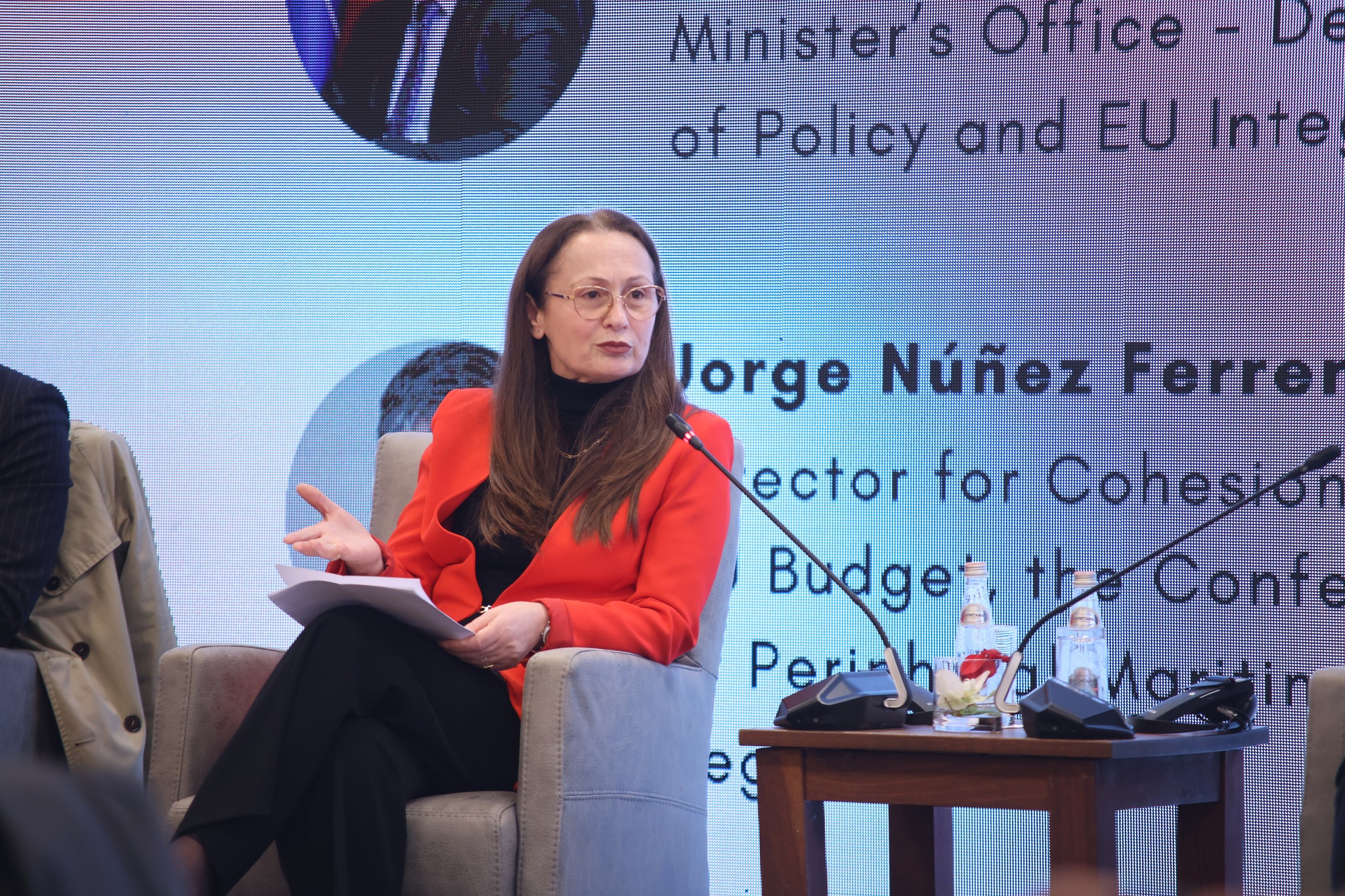
Complementing these views, Jorge Núñez Ferrer from the Conference of Peripheral Maritime Regions emphasized the need for strategic clarity: countries should define their long-term development vision first and align EU and complementary instruments accordingly, rather than adapting strategies to available funding. His message was clear – start with vision, not money. This includes carrying out territorial analysis and subsidiarity check. He also warned that emerging performance frameworks, beside being under discussion, risk prioritizing fast expenditure over quality, potentially leading to weak projects. Strong audit and control systems remain legal requirements and must be ready in place.
Link to conference agenda.