

Brussels, 23 – 24 June 2025 | With the implementation of the Reform Agenda in Albania, continuous dialogue between EU institutions and non-state actors is essential to strengthen national oversight, ensure accountability, and foster shared ownership of the Reform and Growth Facility (RGF).
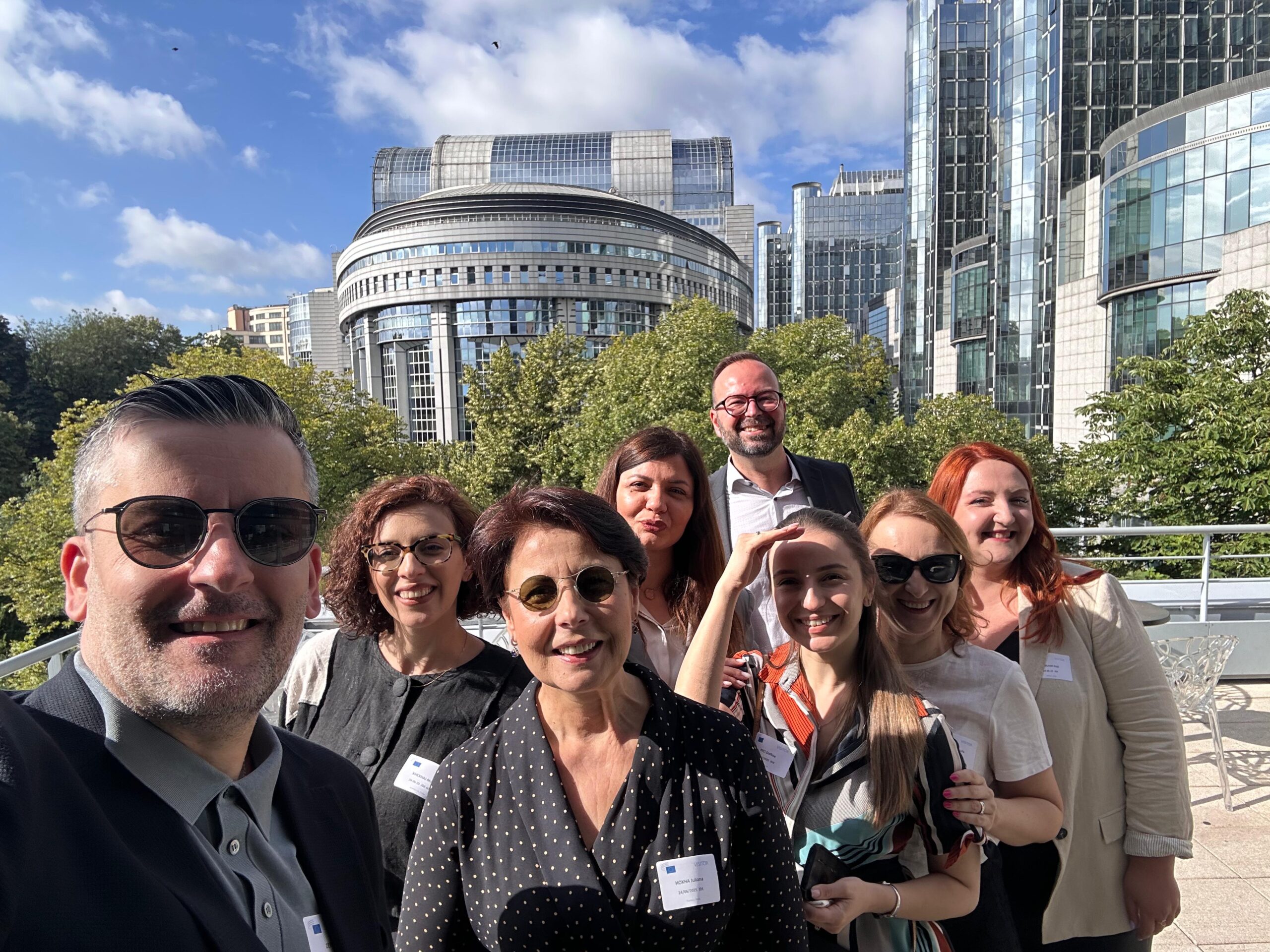
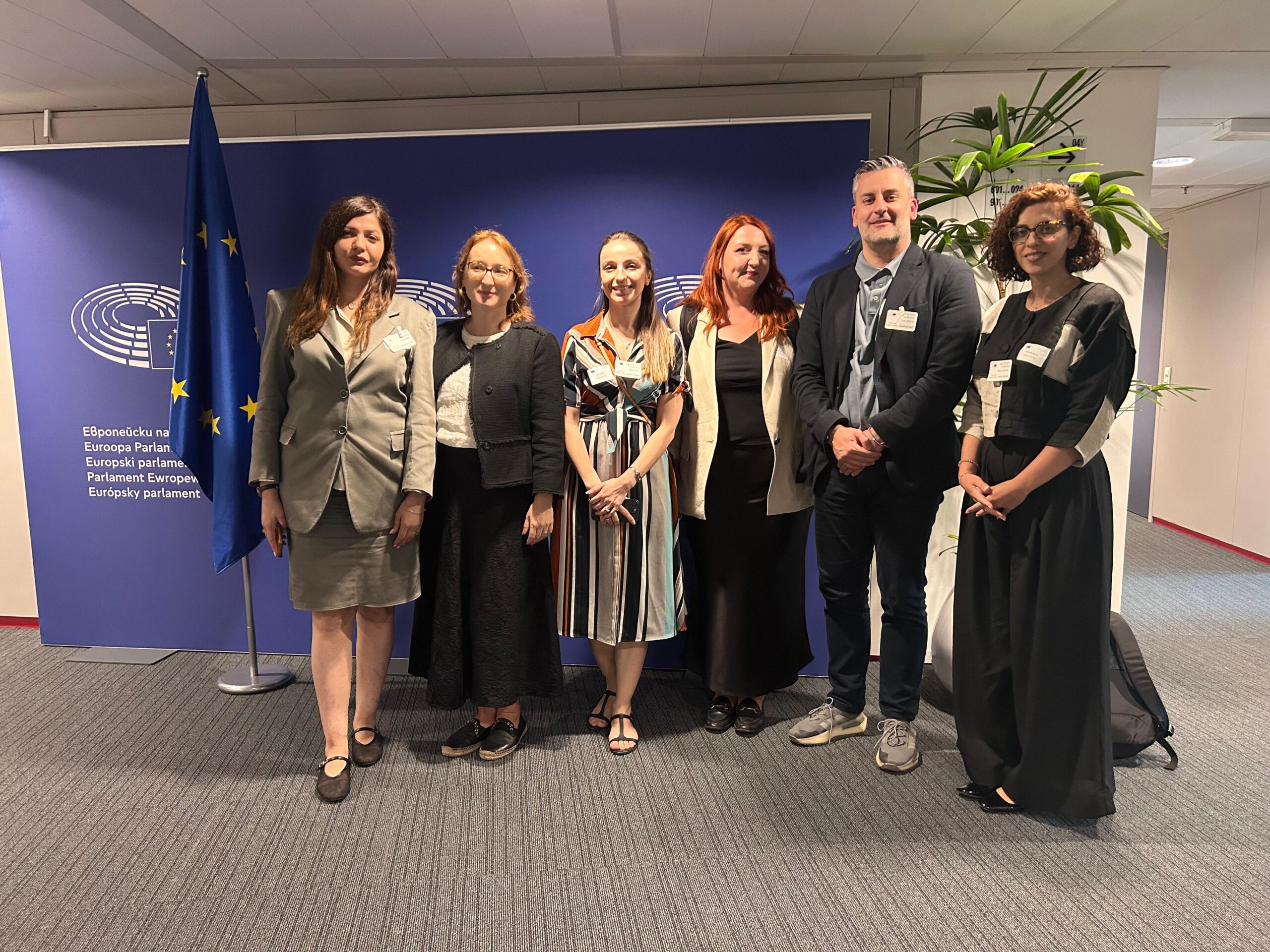
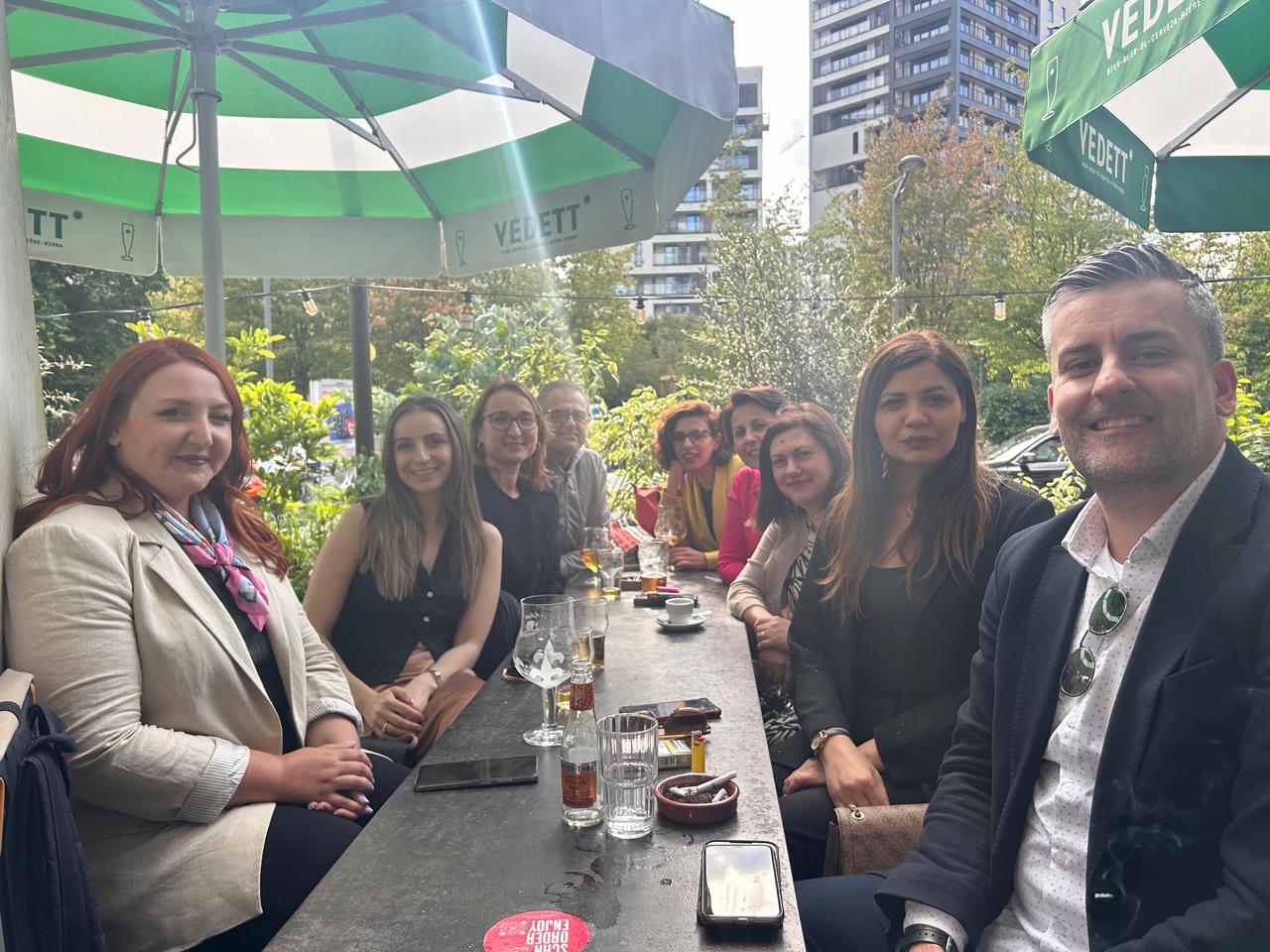
To support these goals, the Cooperation and Development Institute (CDI) is implementing the Country Growth Plan Dialogue—a civil society-led initiative aimed at enhancing public ownership and oversight of the RGF. As part of this initiative, CDI organized a networking visit to Brussels, bringing together a diverse delegation of Albanian stakeholders. The delegation included: Ms. Holta Nika, Director, Technical Secretariat of the EU Integration Committee, Albanian Parliament; Ms. Juliana Hoxha, Partners Albania; Dr. Kejt Dhrami, Co-PLAN; Ms. Mona Xhexhaj, Academy for European Integration and Negotiations; Ms. Dafina Peci, National Youth Congress of Albania, and Mr. Elvis Zerva, Albanian Investment Council.
The visit sought to deepen dialogue with EU institutions on the Reform and Growth Facility (RGF), the broader EU enlargement agenda, and preparations for the upcoming Multiannual Financial Framework (MFF). The programme included high-level meetings with the Directorate-General for Enlargement and the Eastern Neighbourhood (DG ENEST), the European Parliament’s Directorate-General for External Policies (DG EXPO), the Albanian Mission to the EU, and the European Economic and Social Committee (EESC).
At DG ENEST, the delegation met with Ms. Enrica Chiozza, Head of Sector for Civil Society and Human Capital, to highlight the importance for EU and RGF direct support for non-state actors engaged in sectoral policy expertise, systematic RGF monitoring, and advancing meaningful civic participation as part of Albania’s reform journey.
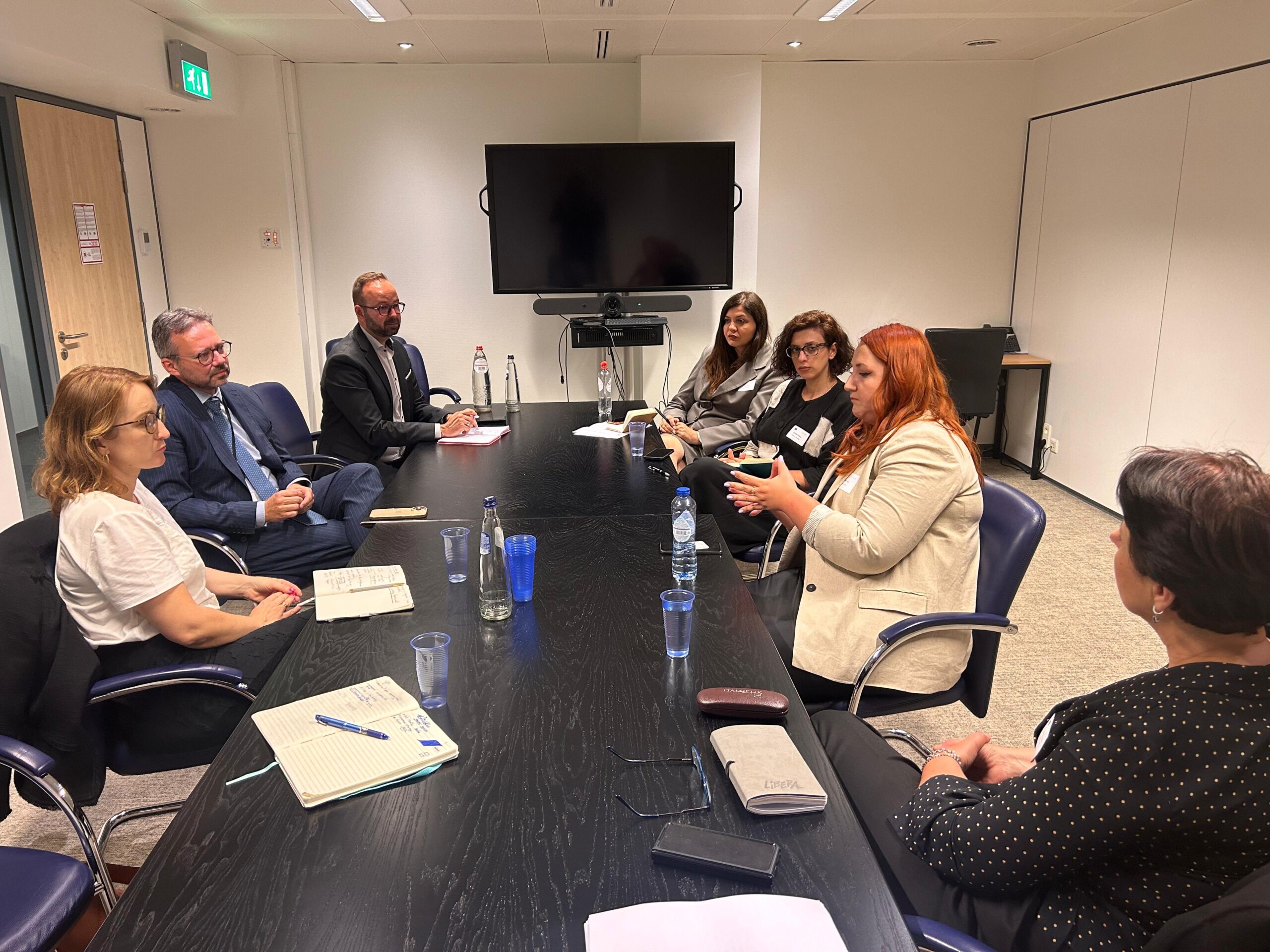
During meeting with Ms. Marta Udina, Head of Unit for Parliamentary Affairs; Mr. Holger Benzing, Advisor to the Committee on Foreign Affairs (AFET); and Mr. Stephan Dietzen, Advisor to the Committee on Budgets (BUDG) at DG EXPO, discussions centered on enhancing the Albanian Parliament’s oversight role in the implementation of the Reform and Growth Facility (RGF). The exchange also highlighted the need to deepen cooperation between the European Parliament and the Albanian Parliament in advancing the Growth Plan Dialogue initiative launched by CDI. Finally, the importance of engaging civil society to ensure democratic scrutiny of reforms essential for Albania’s EU membership aspirations was strongly emphasized, with public data serving as a key enabler. The discussion also underscored the importance of incorporating civil society perspectives into the planning of the next MFF, in light of Albania’s prospective EU membership.
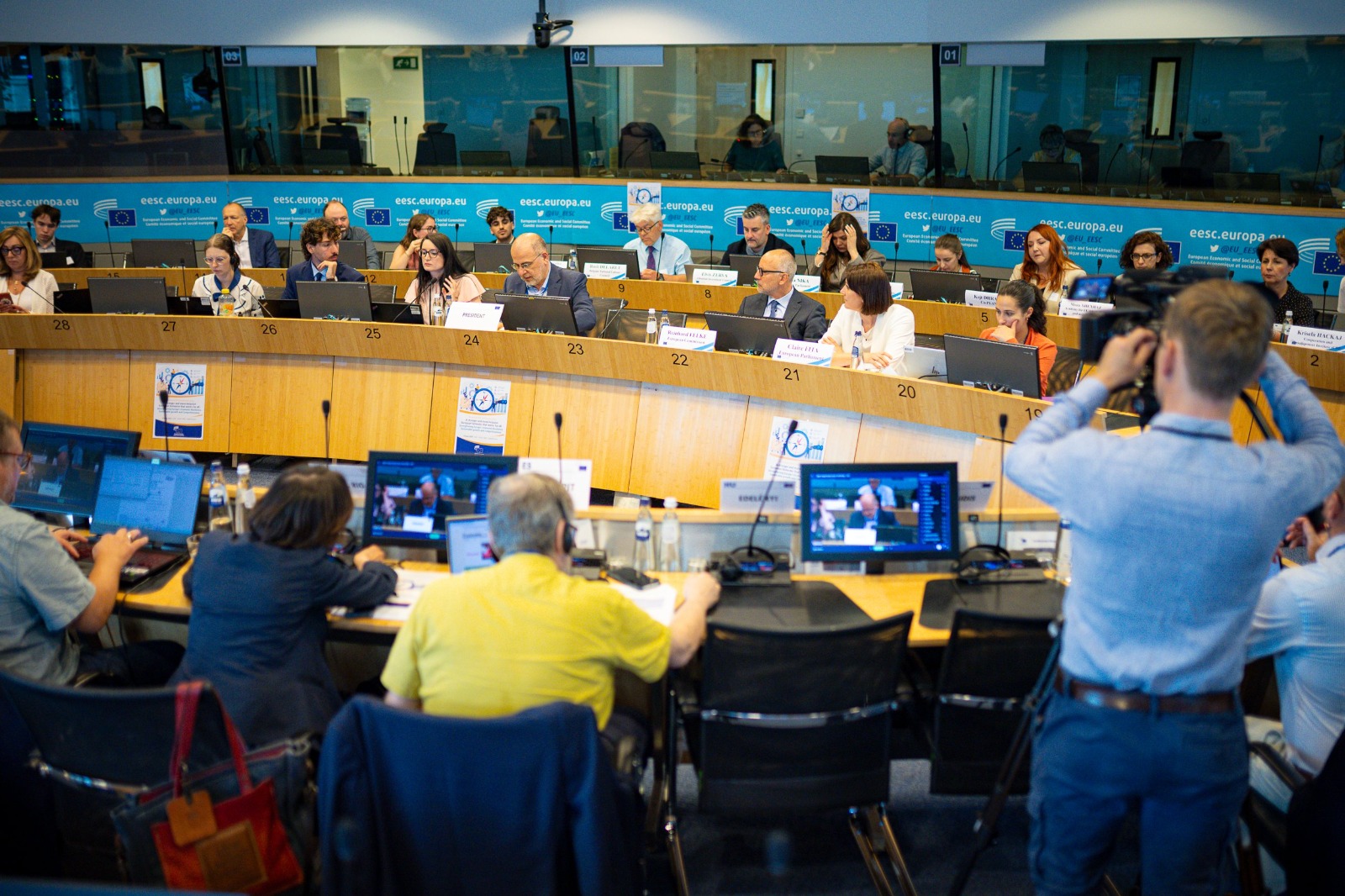
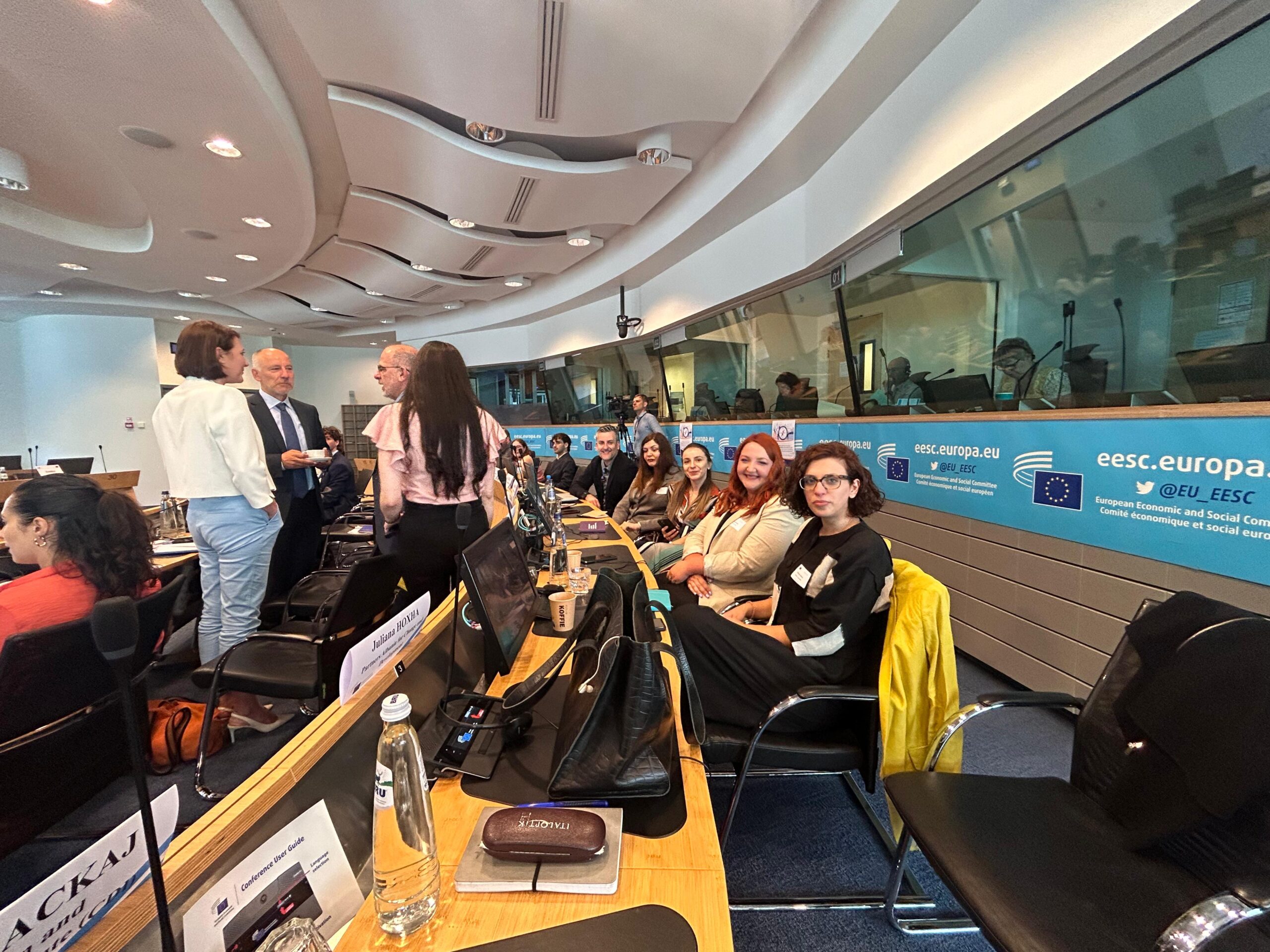
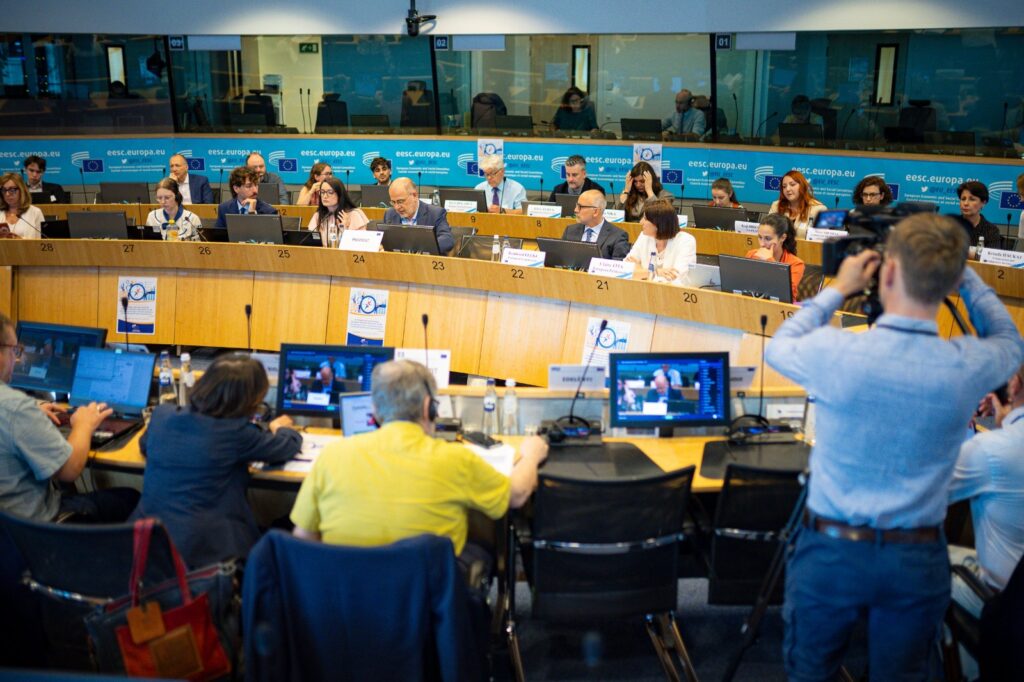
The European Economic and Social Committee (EESC) is the first EU institution to open its doors to civil society organizations from Albania and the region. Through its Opinion on the Growth Plan, the EESC has contributed for a more participatory and accountable implementation of the Reform and Growth Facility (RGF). For the first time under the lead of ECO Section of EESC, the Albanian delegation was invited to the European Semester Group (ESG) Conference—the EU’s key platform for EU organized civil society to discuss how economic growth, cohesion, and resilience can be advanced while safeguarding the social dimension of EU policies.
The delegation met with Ms. Admira Jorgji, Deputy Head of the Mission of Albania to the EU, for a thoughtful exchange on the current dynamics of the EU accession process. The conversation offered valuable insights and exchange of views into ongoing EU-level debates affecting the region, the next Multiannual Financial Framework (MFF) and future external action instrument(s).
We concluded our Brussels visit with timely discussions on the future of EU Cohesion Policy and Albania’s preparedness to absorb future Cohesion funding. In our meeting with Mr. David Sventek, EESC Rapporteur for the 2025 Opinion on the mid-term review of Cohesion Policy, we explored how organizing and strengthening institutional capacity can ease Albania’s transition from pre-accession assistance to full participation in EU structural funds.
This networking visit is part of CDI’s initiative “Enhancing Stakeholder Engagement and Ownership in the Implementation of the Reform and Growth Facility,” implemented with the support of the Embassy of Switzerland in Albania.