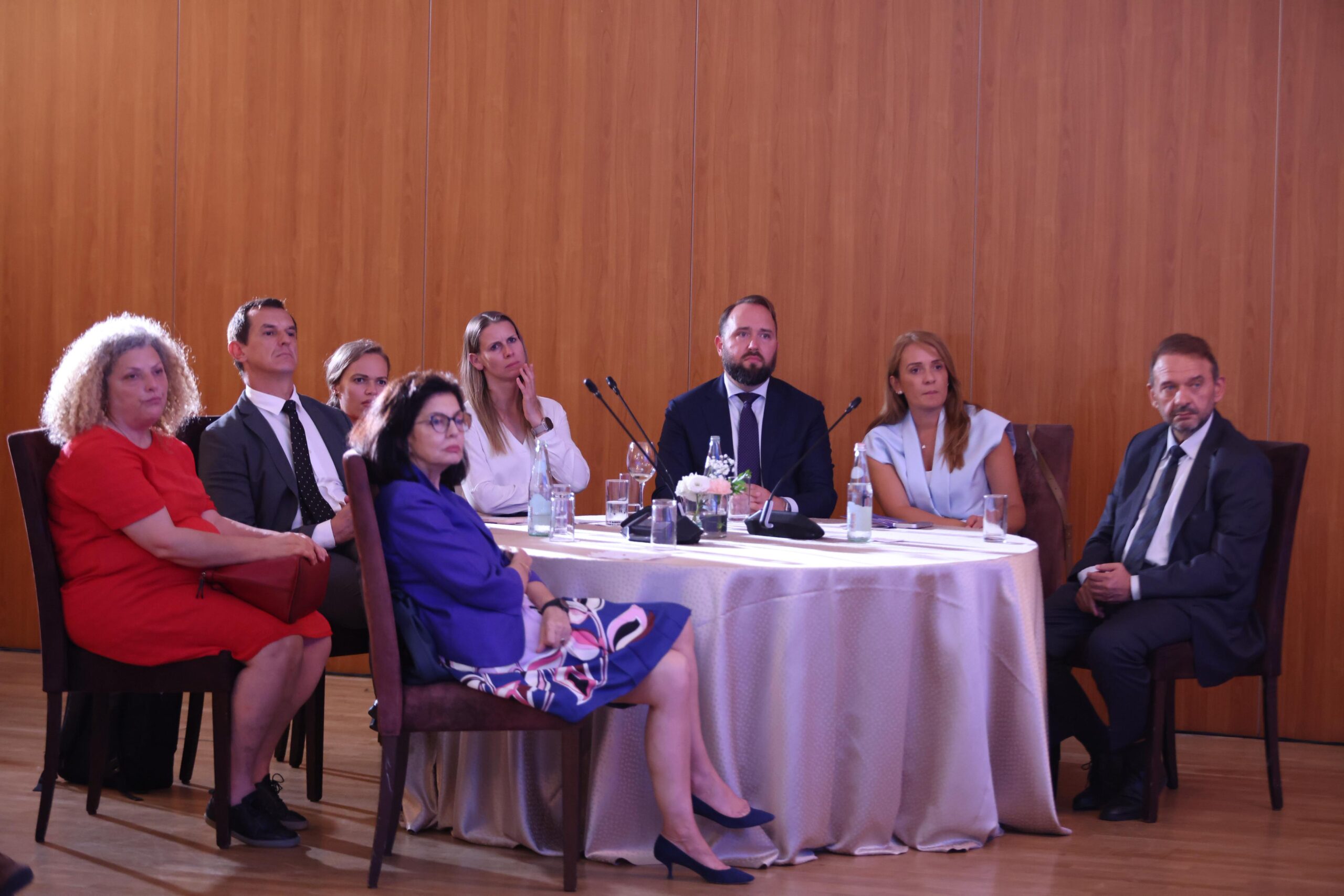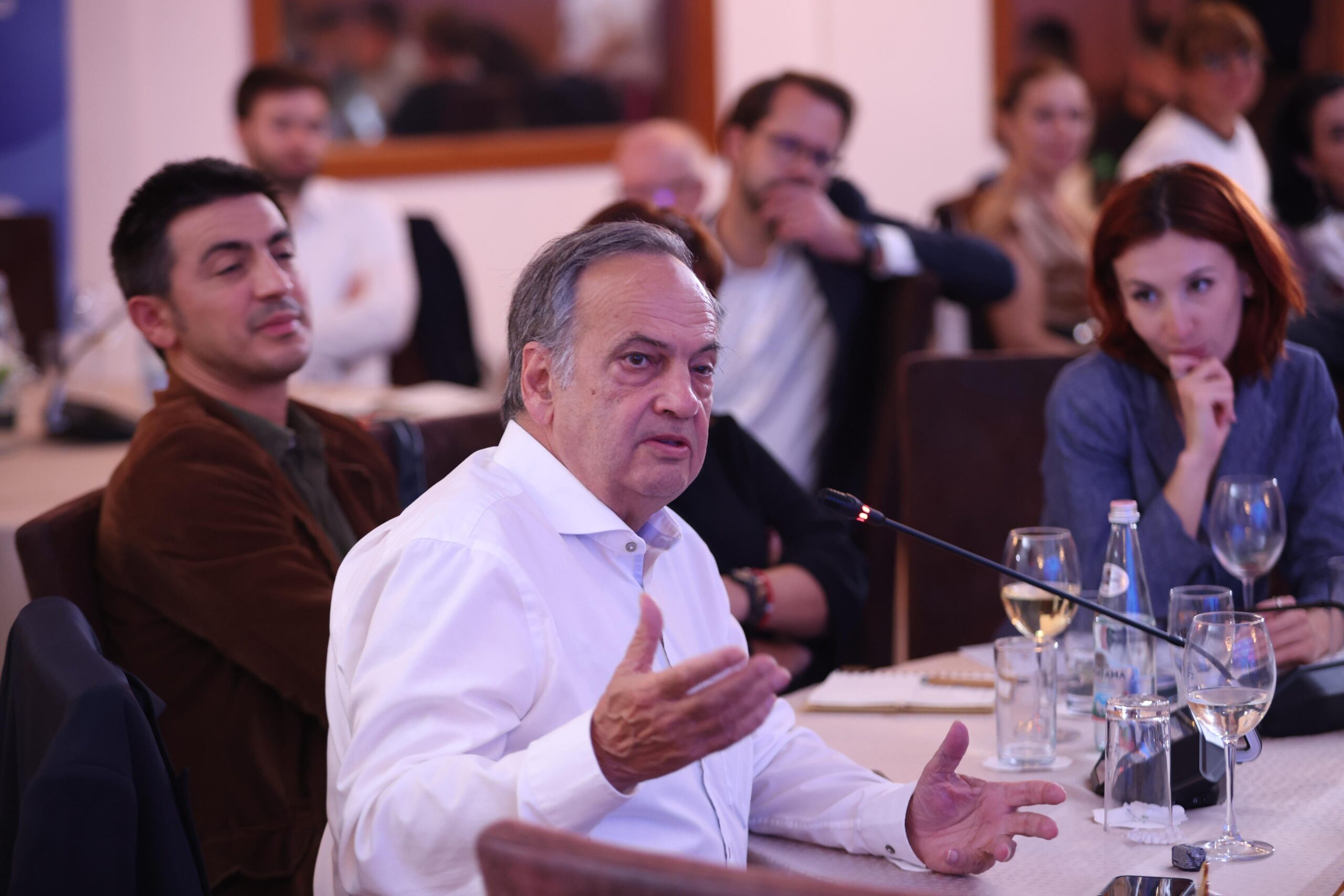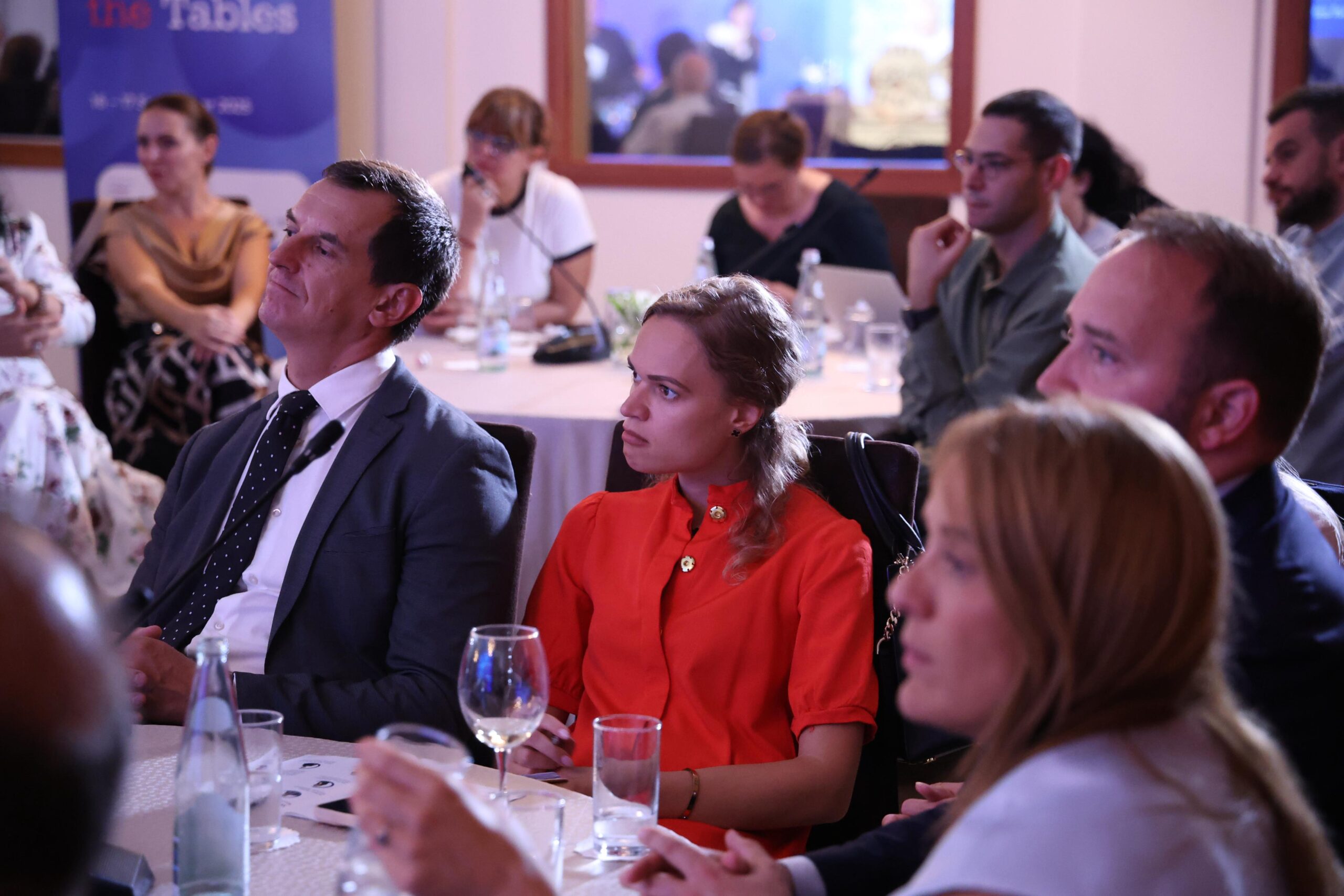


Tirana, 16 September 2025 | The challenge of the next EU enlargement is not only about institutions, reforms, opening / closing chapters or timelines—it is also about communicating and conveying these dynamics to the EU citizens. And here narratives count. For decades, the Balkans have too often been framed as “outside” of Europe and the Enlargement as a cost. Both narratives – reinforced by information gaps and unchallenged stereotypes – continue to shape perceptions among many EU citizens and policymakers.
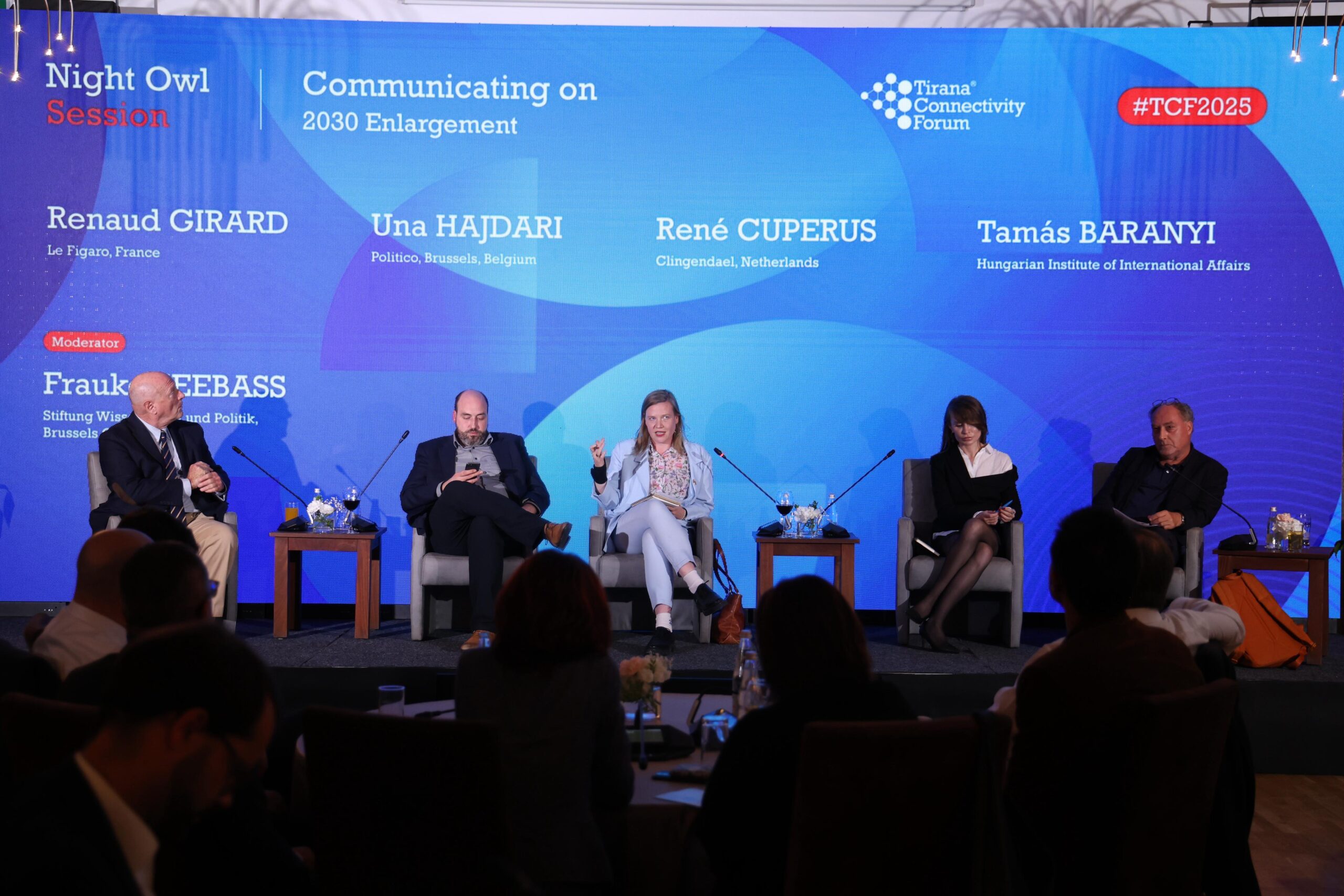
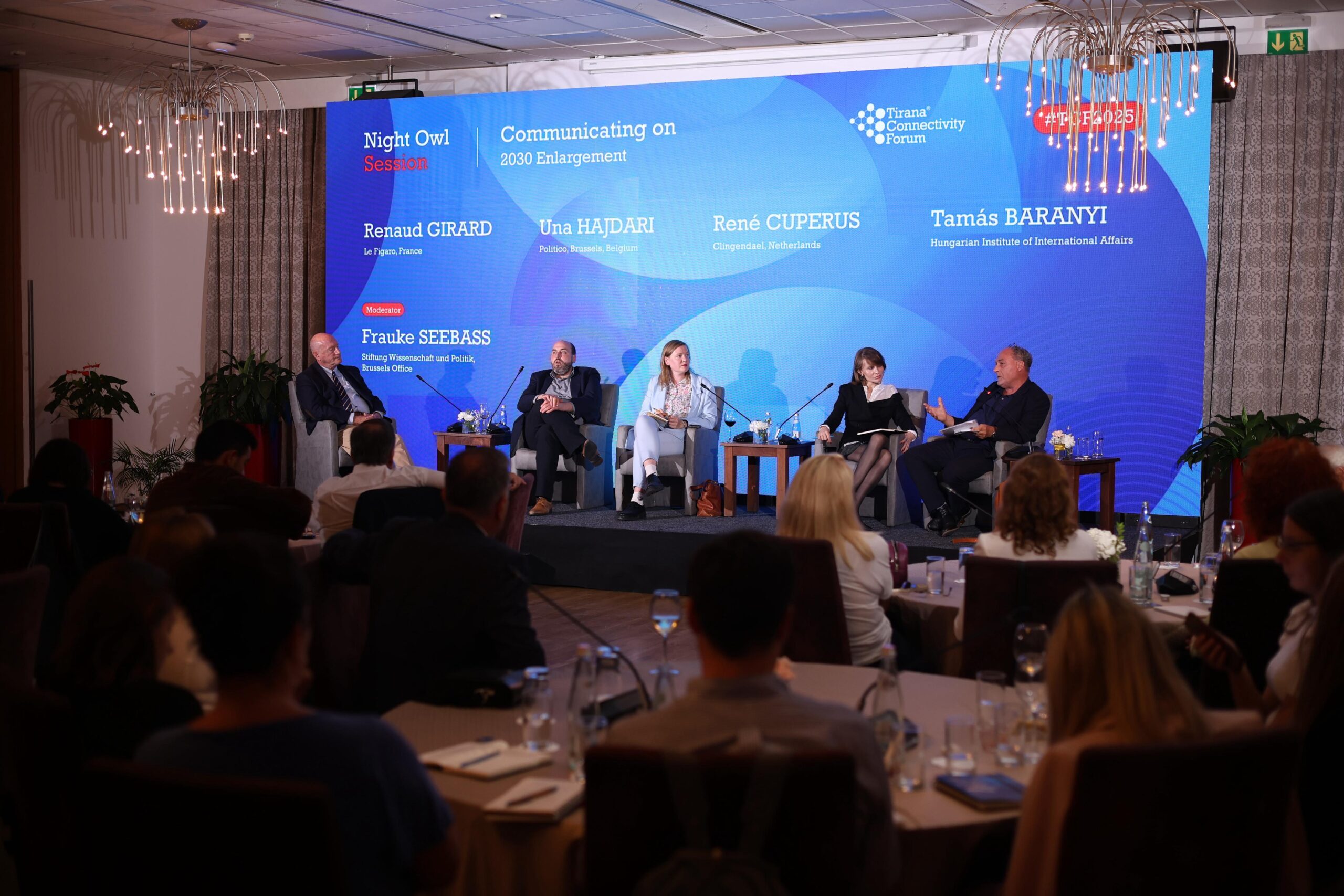
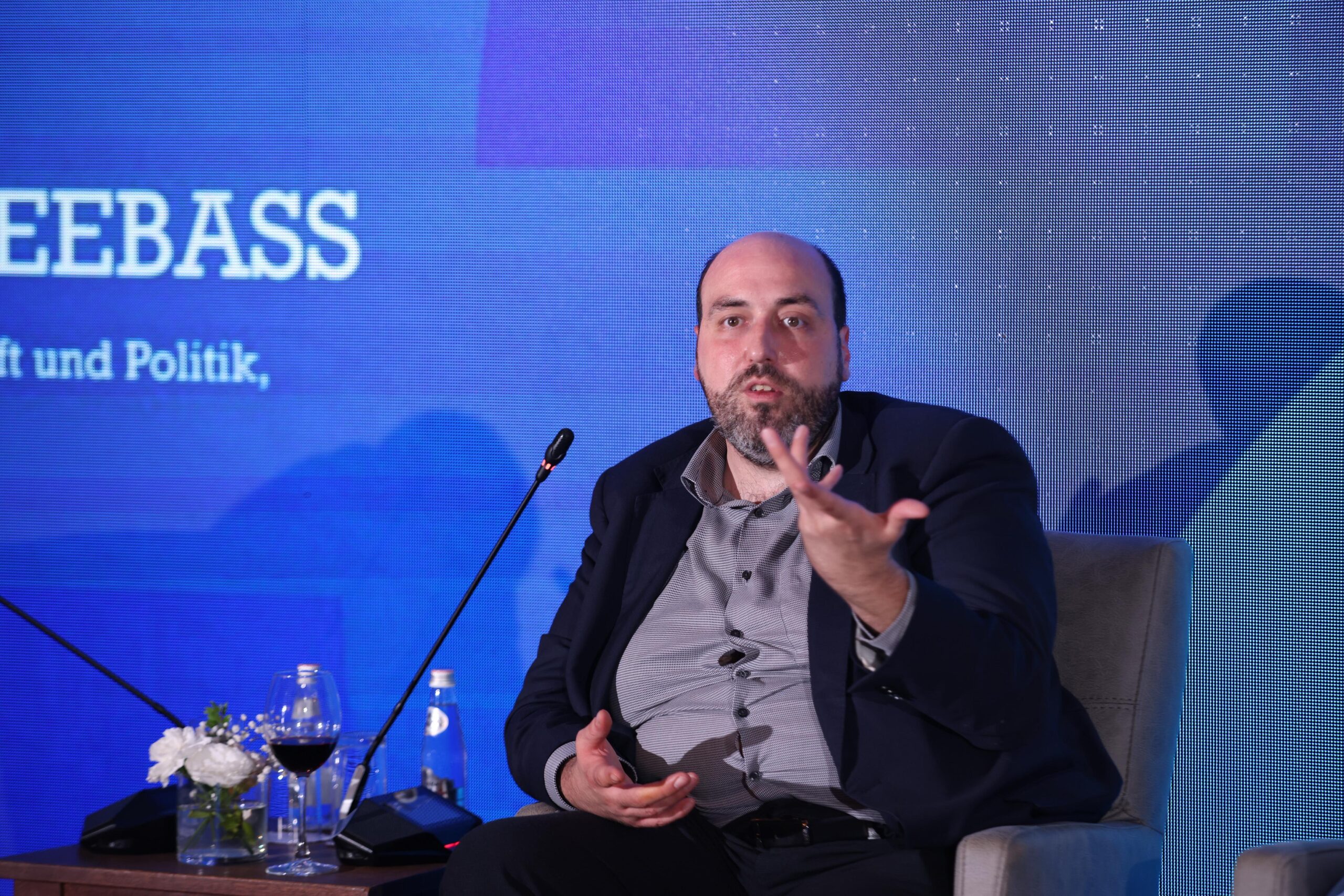
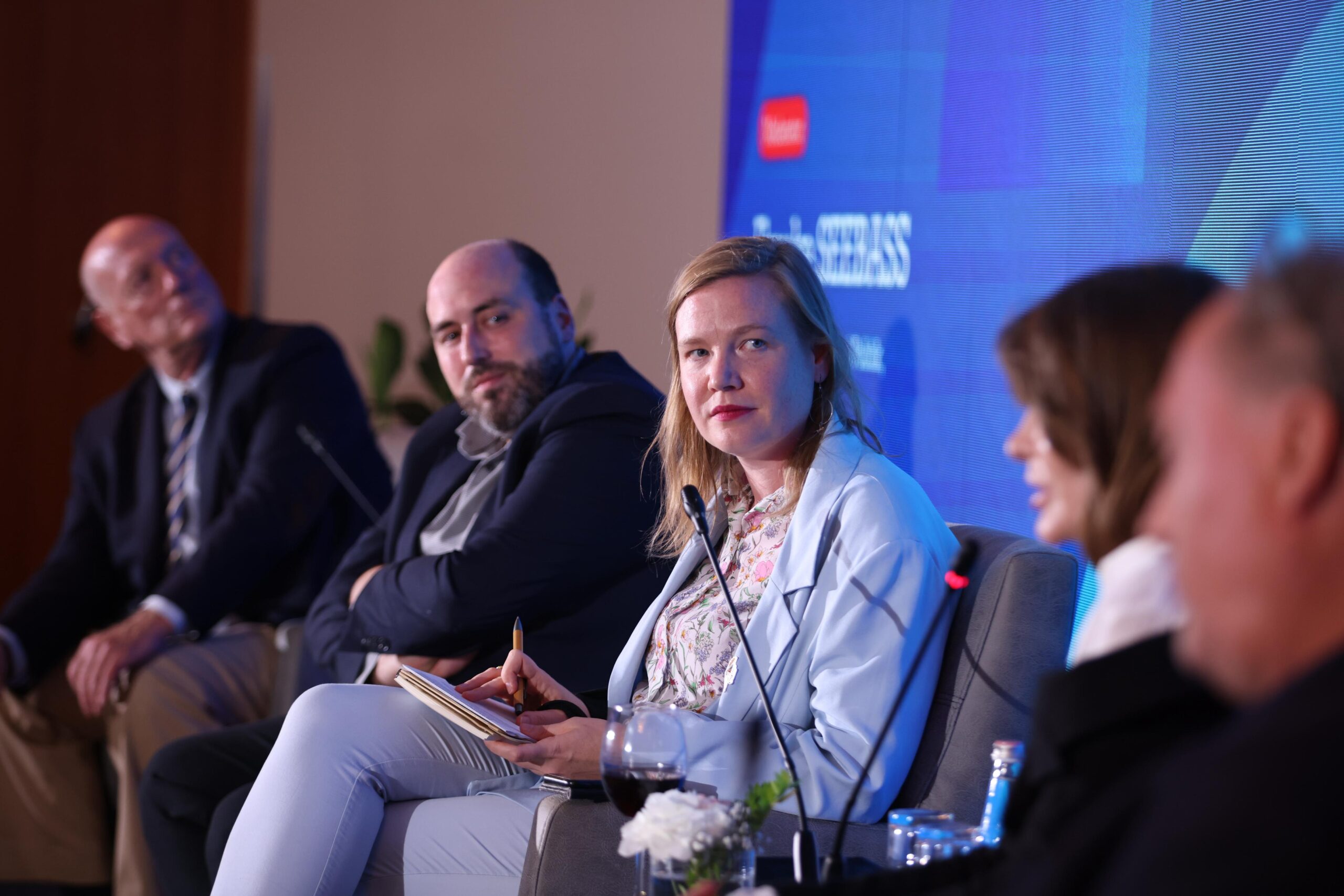
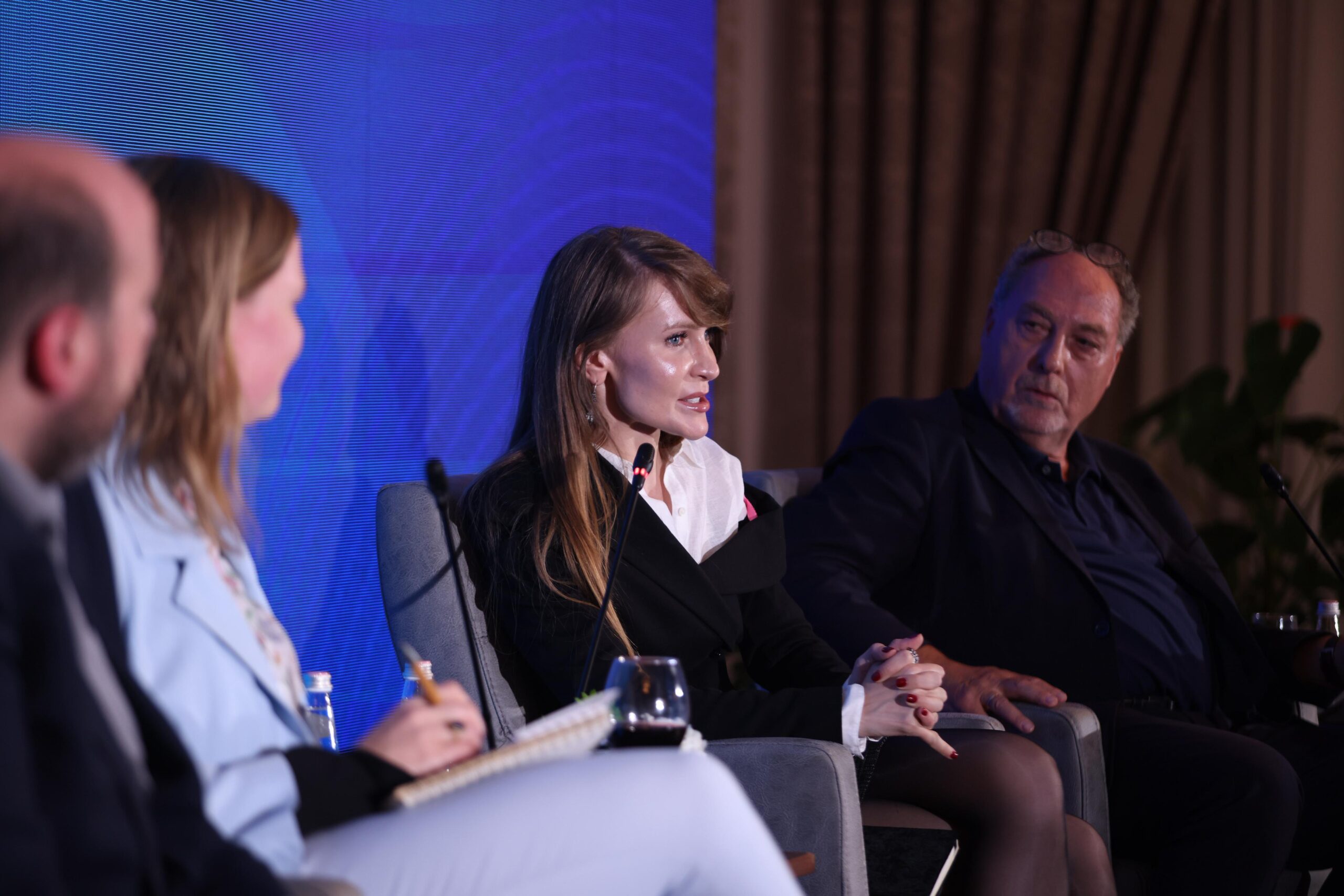
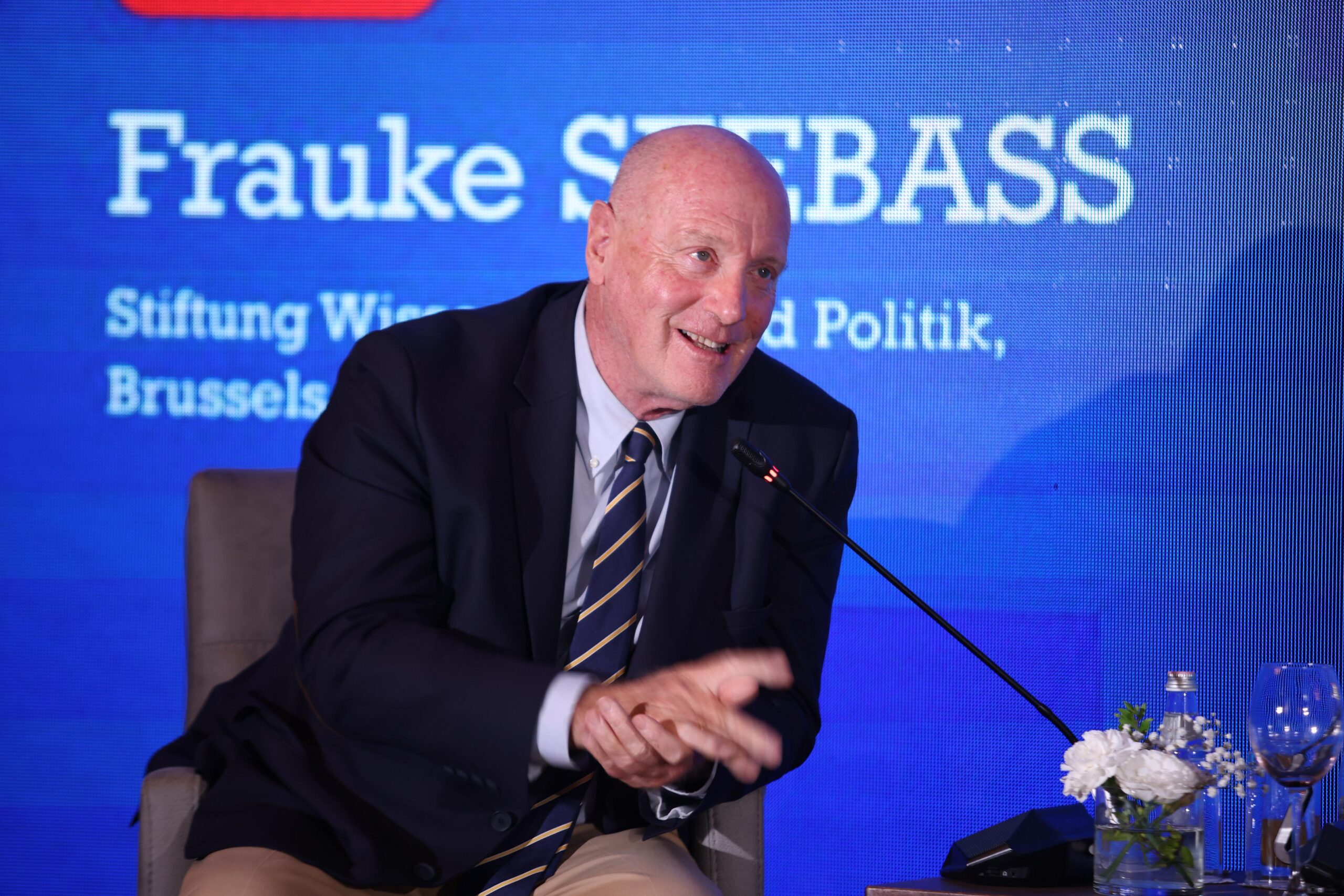
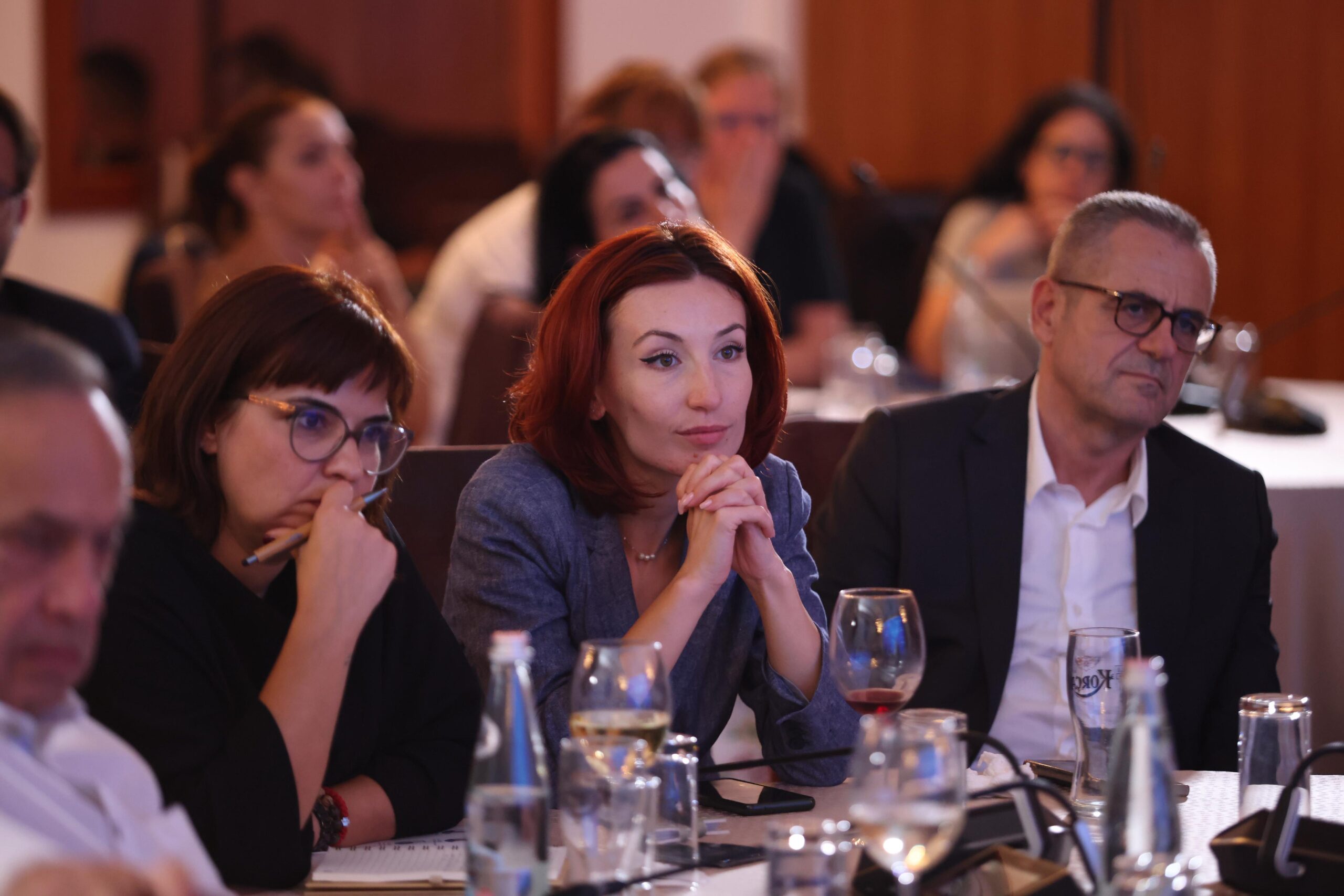
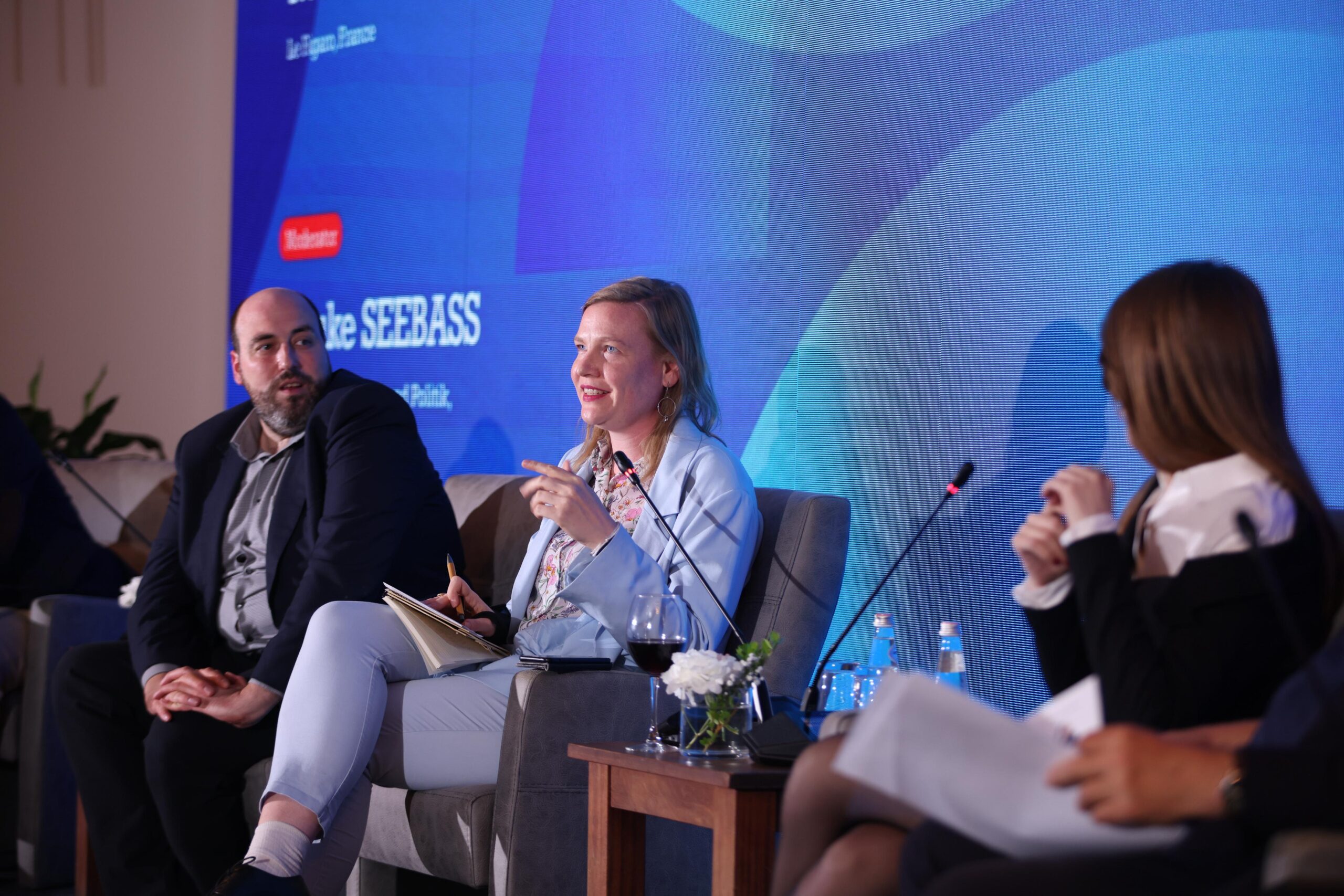
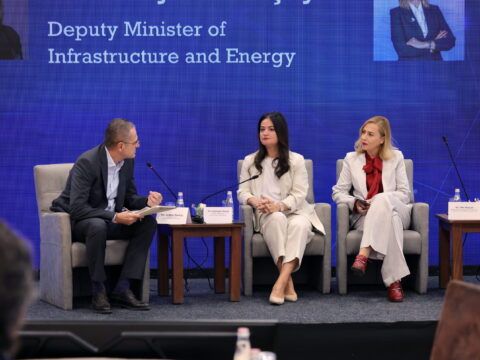
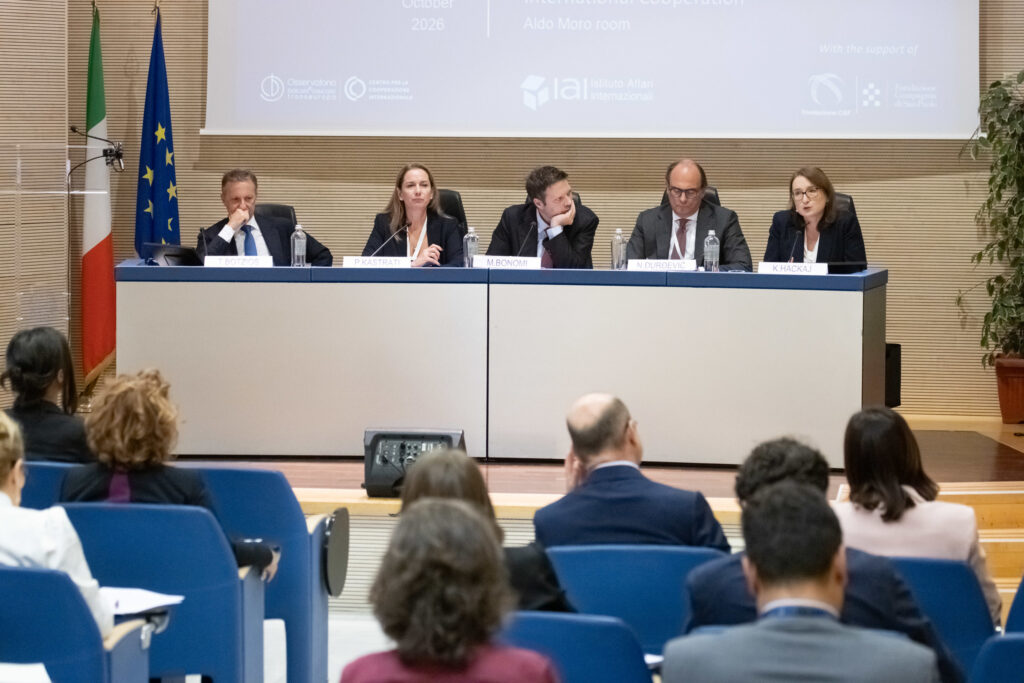
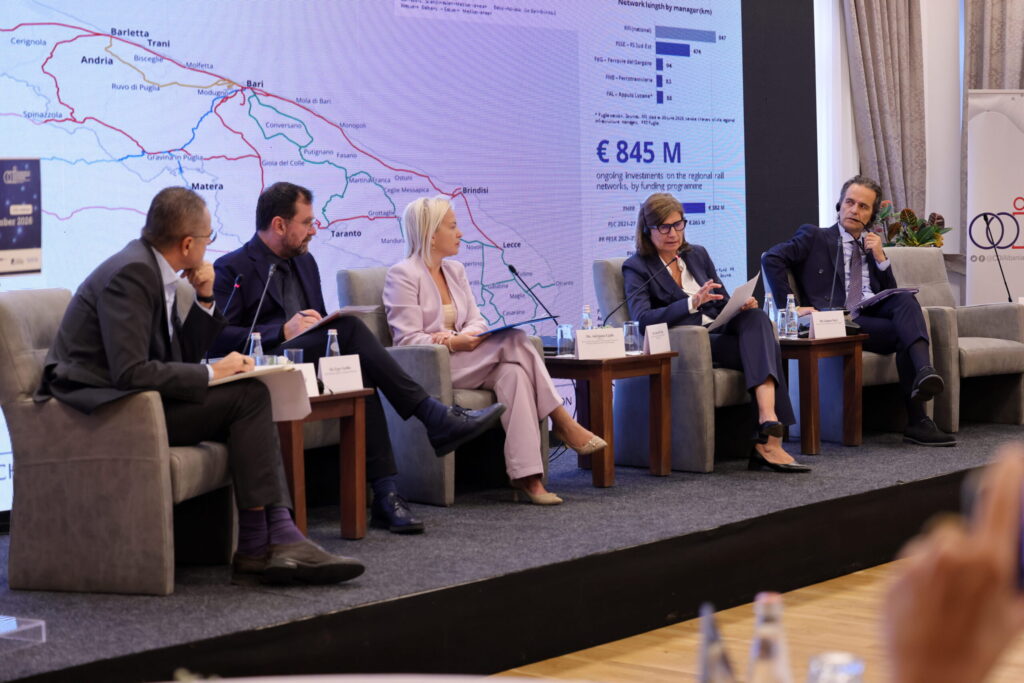
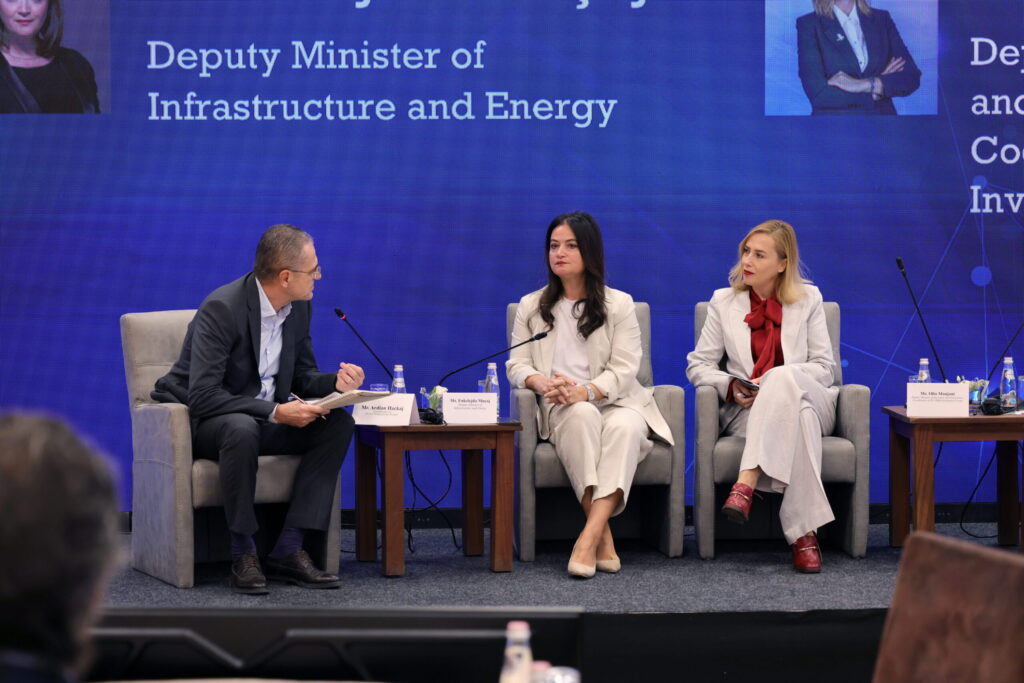
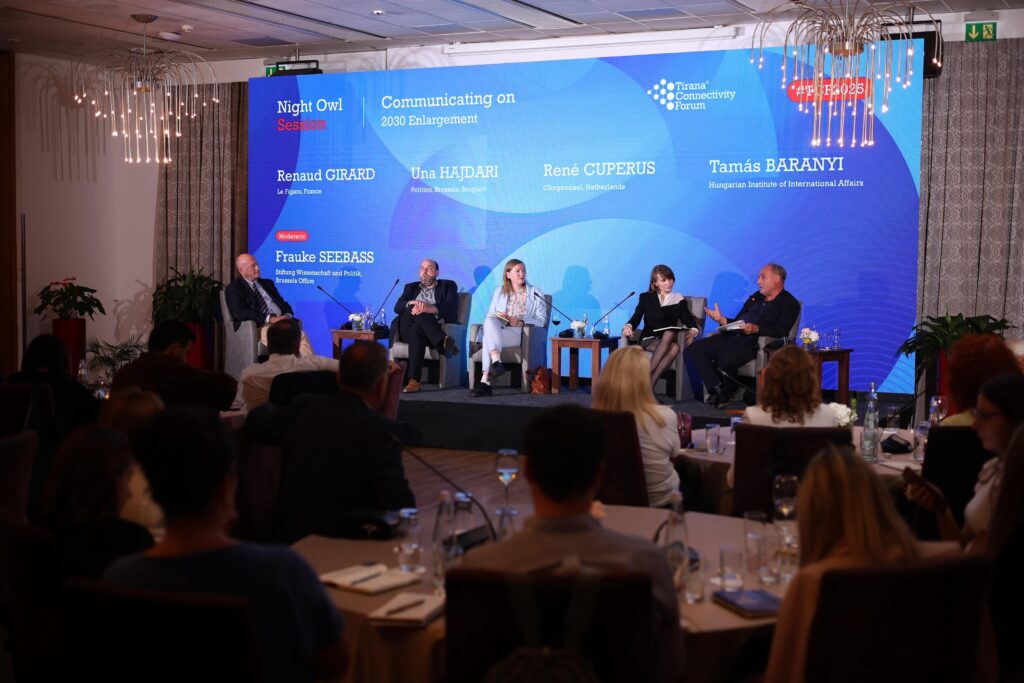
At the TCF2025 Night Owl session “Communicating the 2030 Enlargement”, Renaud Girard (Le Figaro), Una Hajdari (Politico), René Cuperus (Clingendael), Tamás Baranyi (Hungarian Institute of International Affairs), and Frauke Seebass (SWP), examined the narratives surrounding the potential accession of Albania, Montenegro, and of other candidate countries by 2030.
The discussion centered on three critical fronts:
- Geopolitics: enlargement as a security asset rather than a liability.
- Brussels Messaging: countering enlargement fatigue with compelling communication dynamics.
- Public Trust: bringing in added value of Enlargement and building evidence-based narratives.
A strong consensus emerged: the EU must seize the moment to craft a fact-based, strategic narrative for enlargement also including the tangible benefits that the region brings for EU citizen. Panelists stressed the urgency of framing the debate around shared European values and strategic interests. They warned that, if left unaddressed, populist and reductive arguments could poison public discourse and undermine the Union’s foundational principles, as well as its own interests.
Without narratives that resonate with citizens’ lived realities—migration, security, competitiveness, wellbeing—technical reforms alone will not build trust. As participants underlined, Europe cannot reach 2030 with institutional progress only, as enlargement is, at its core, a communication project. As such, how enlargement is framed today will determine whether it is considered as a burden—or as one of Europe’s boldest steps forward.