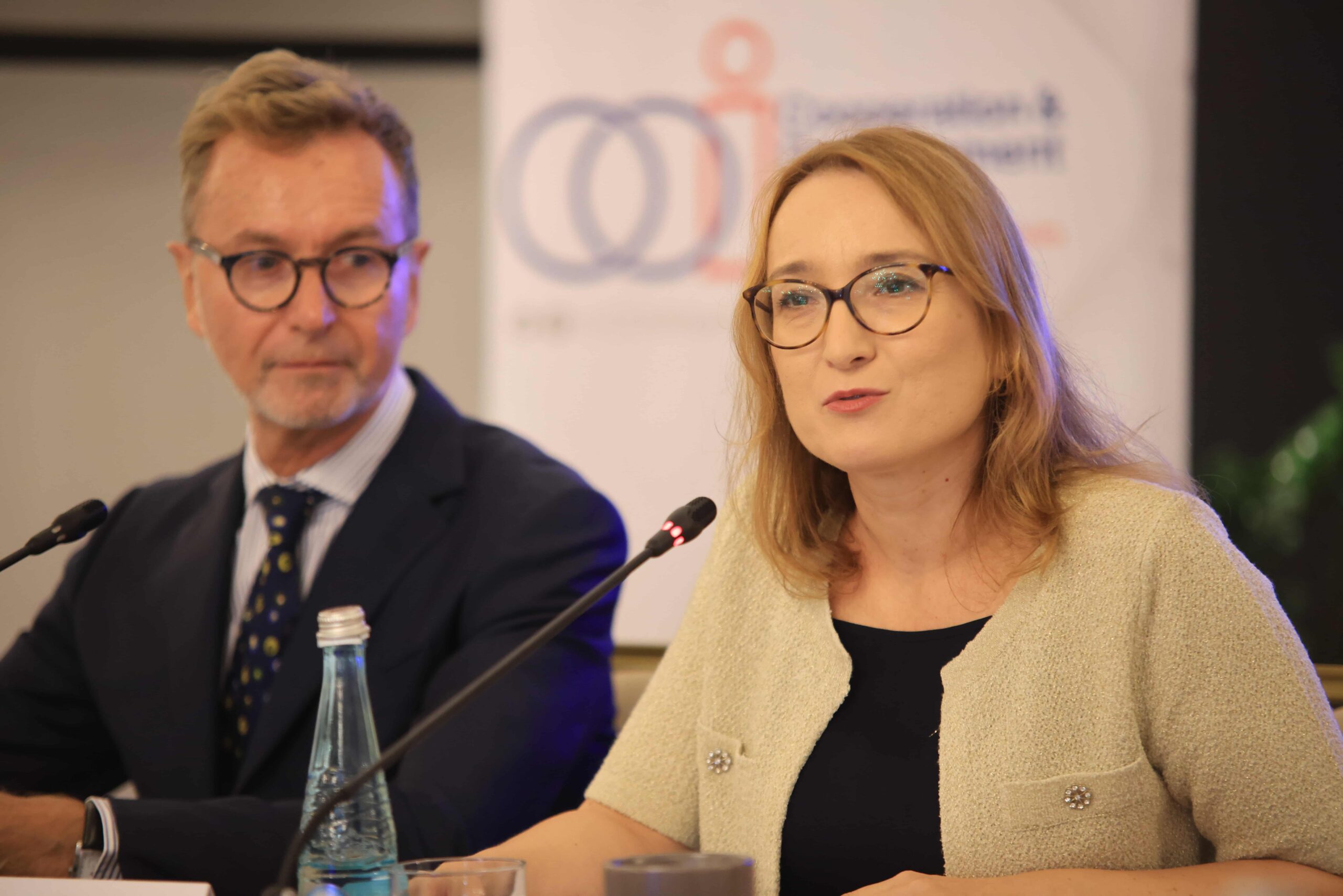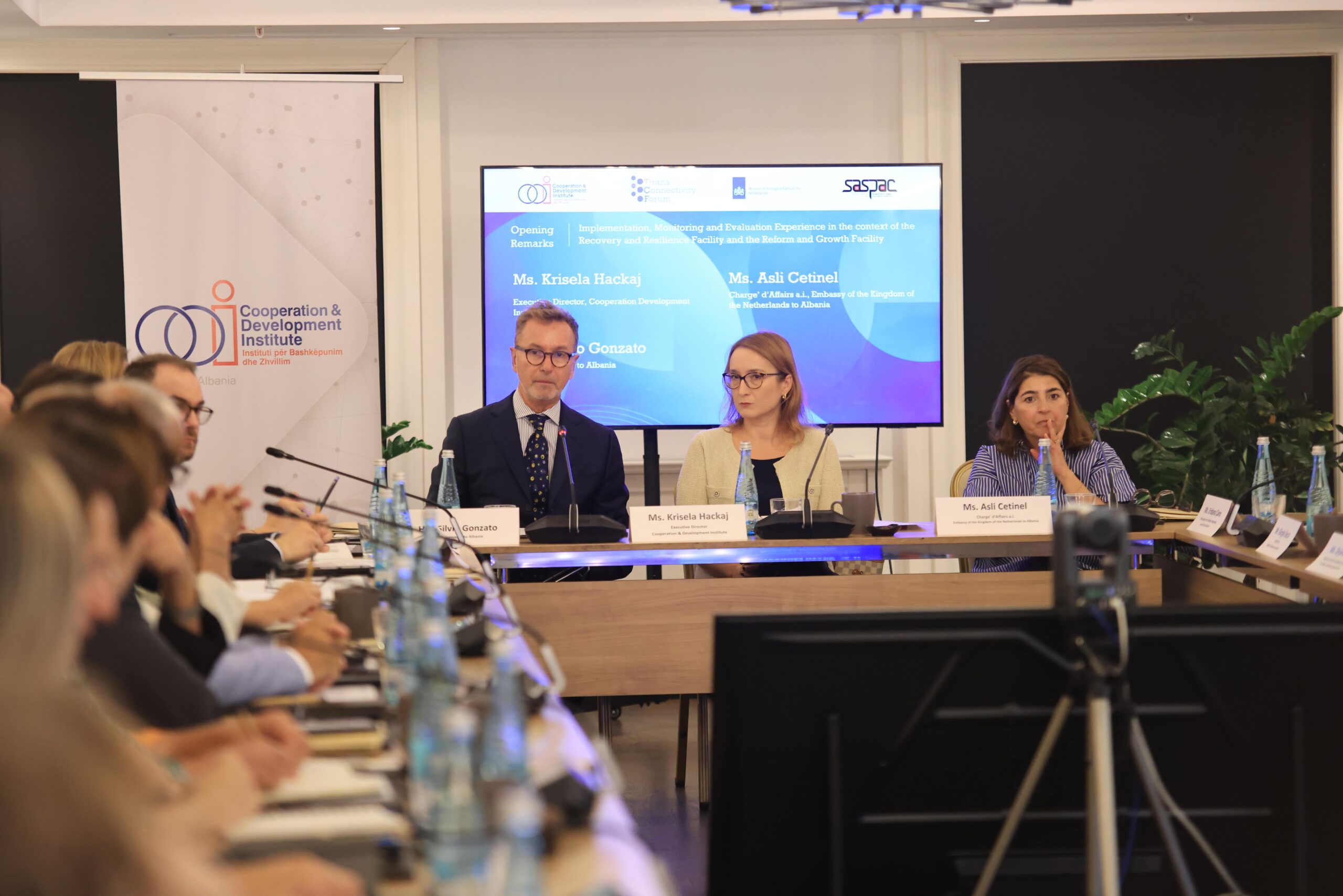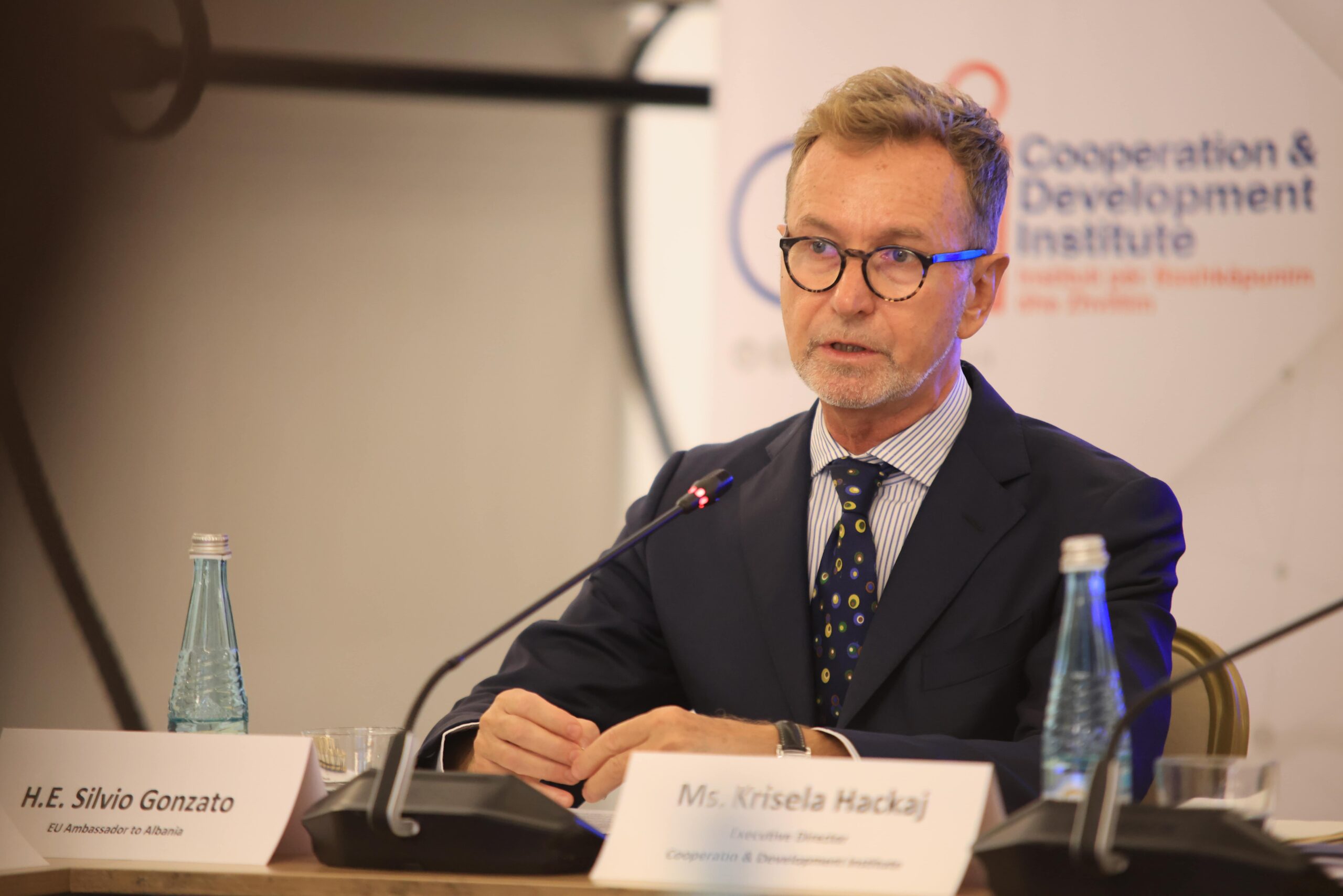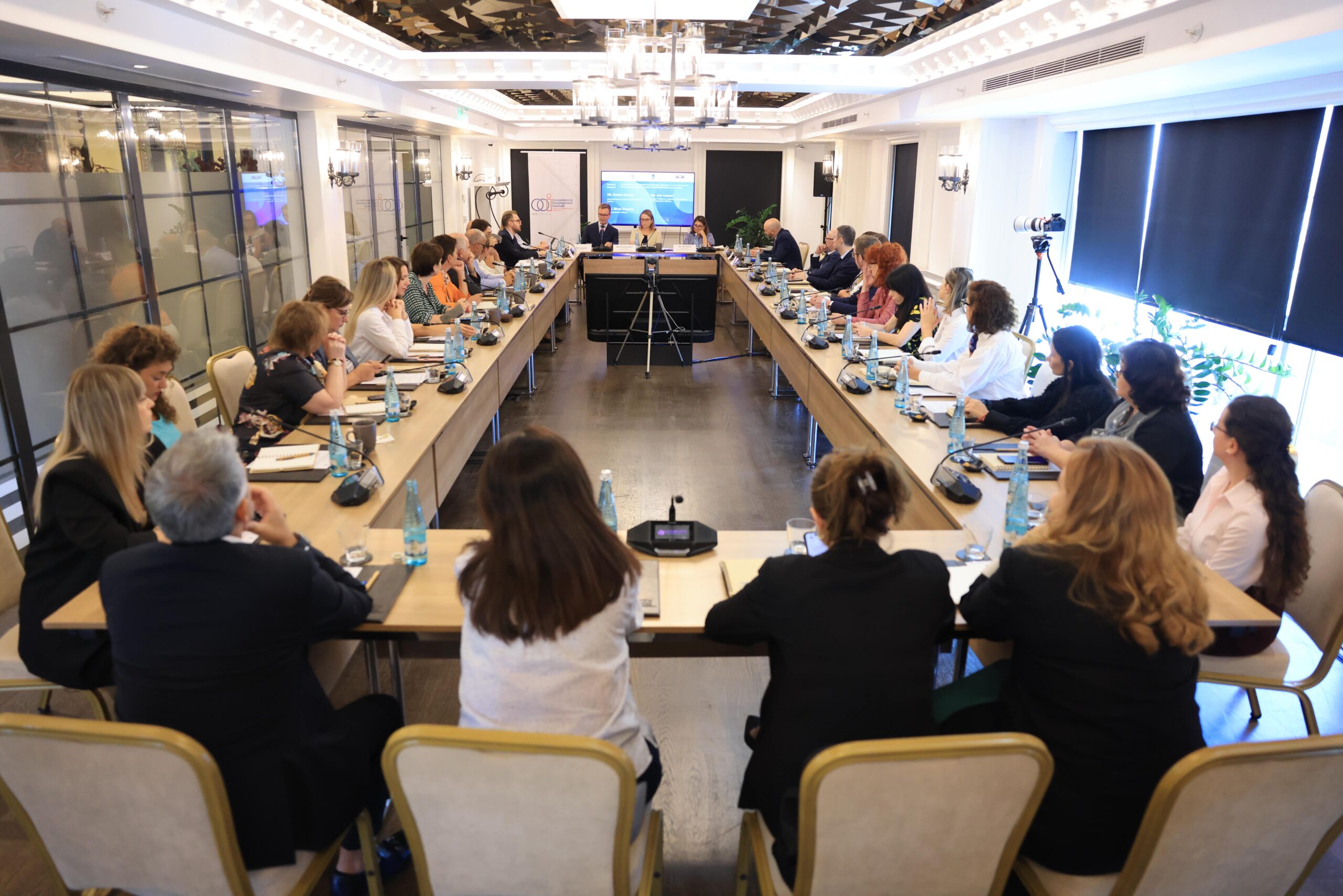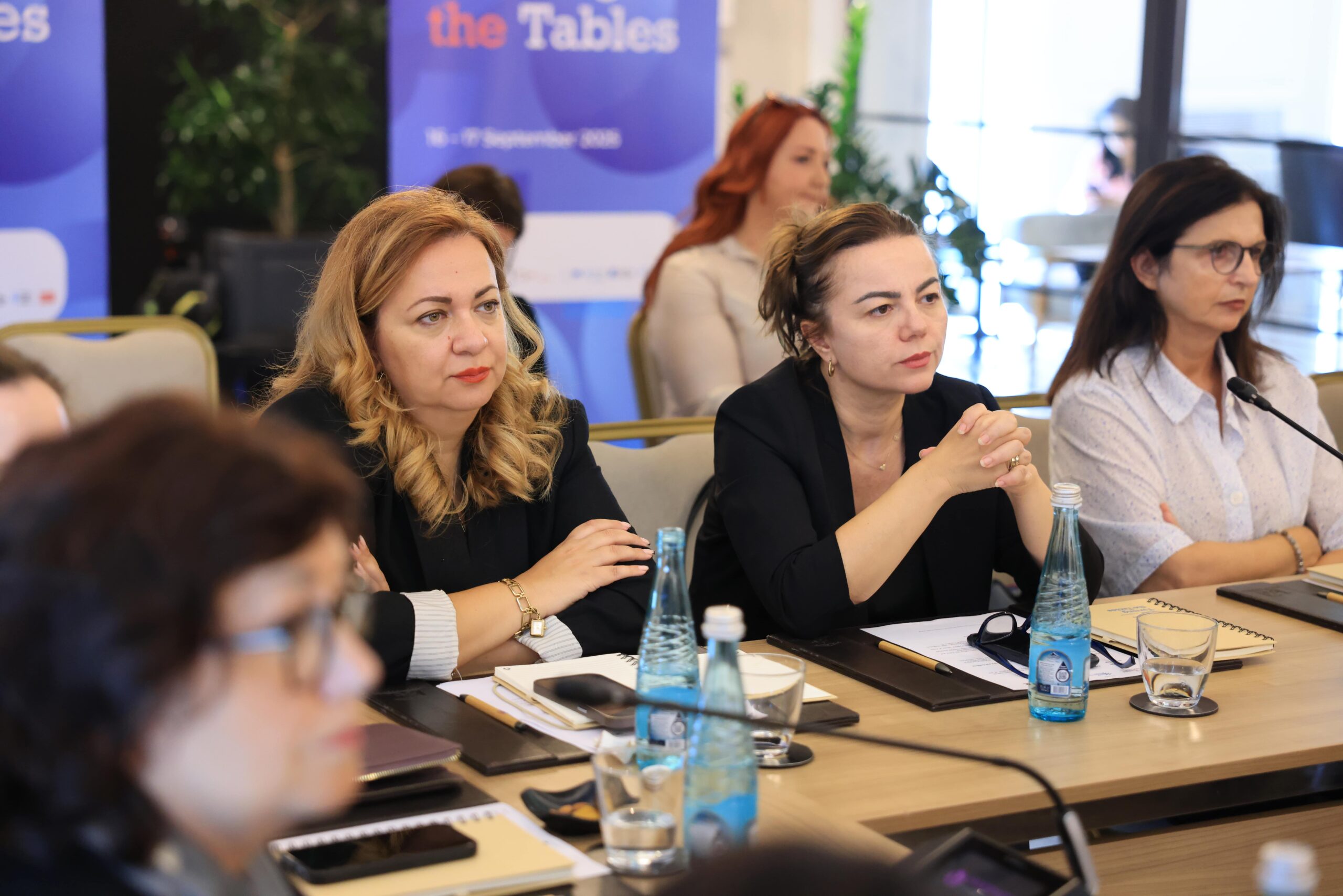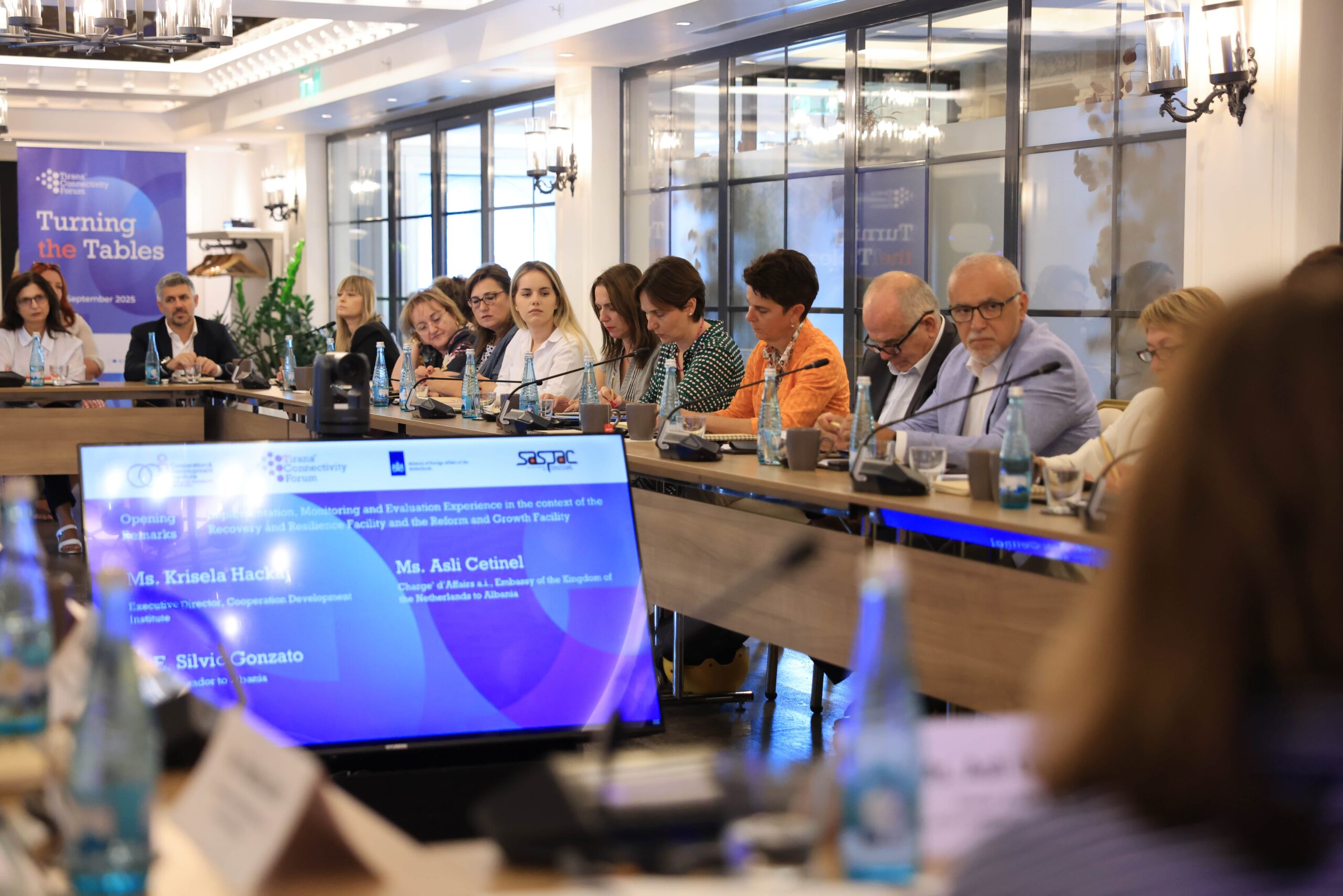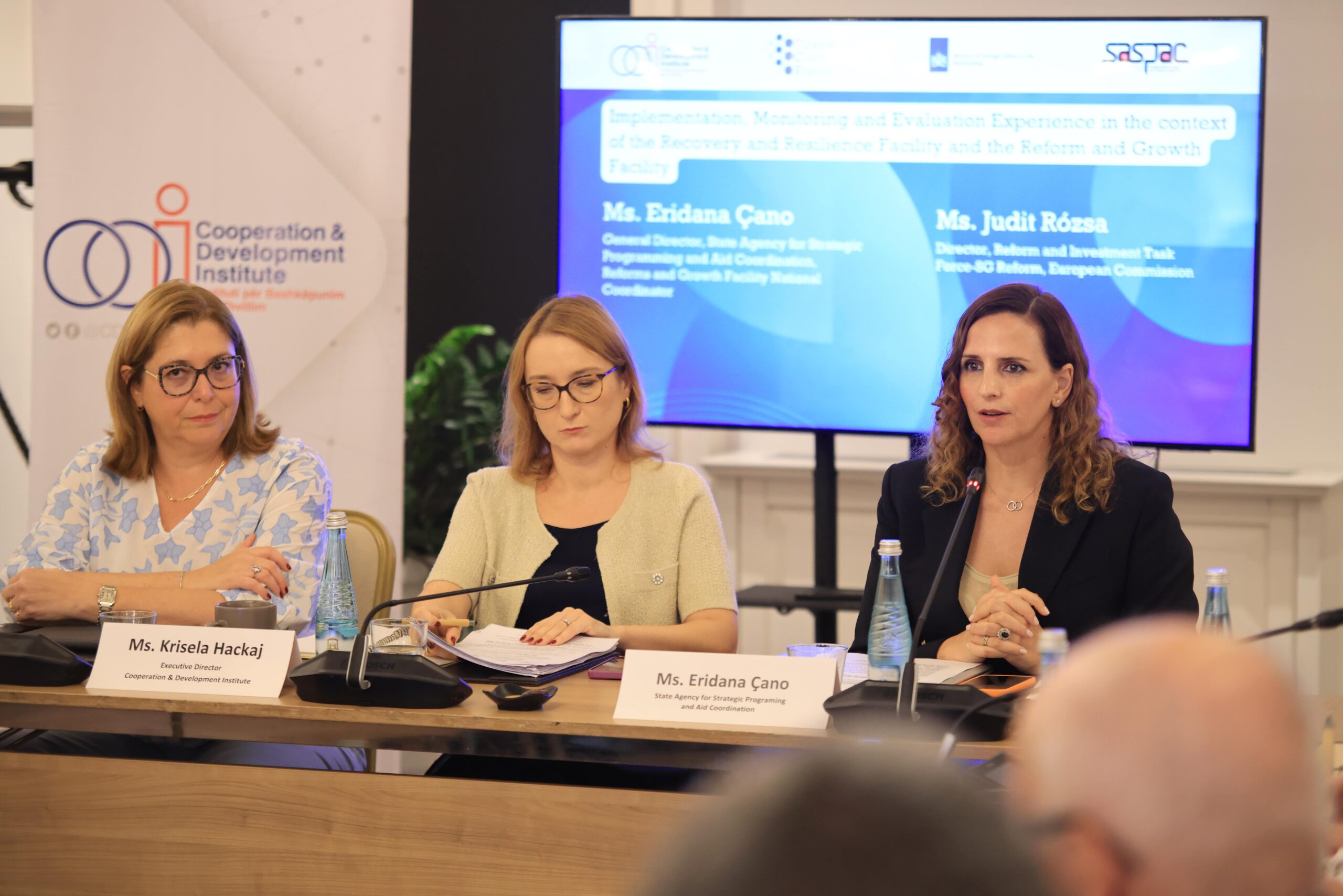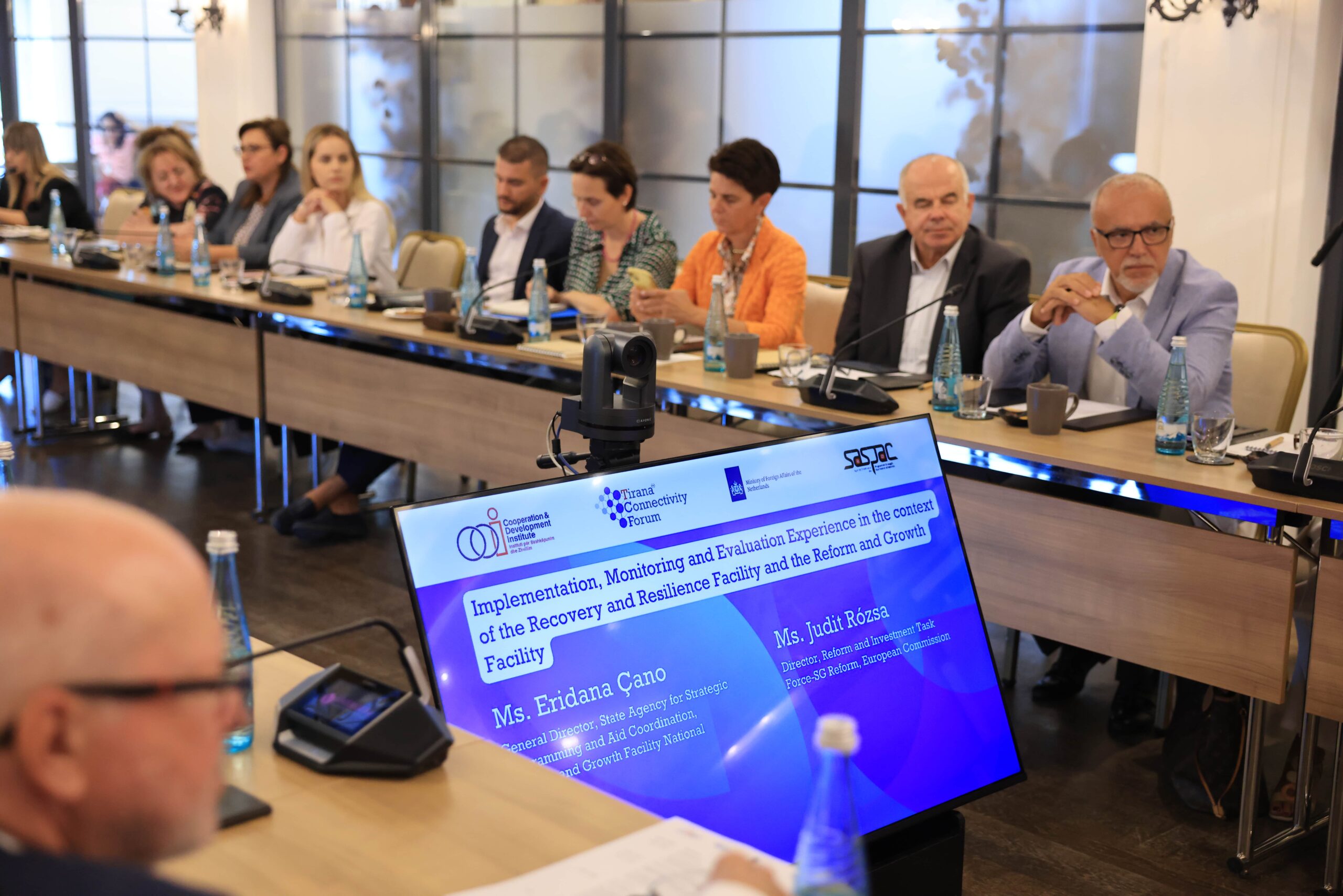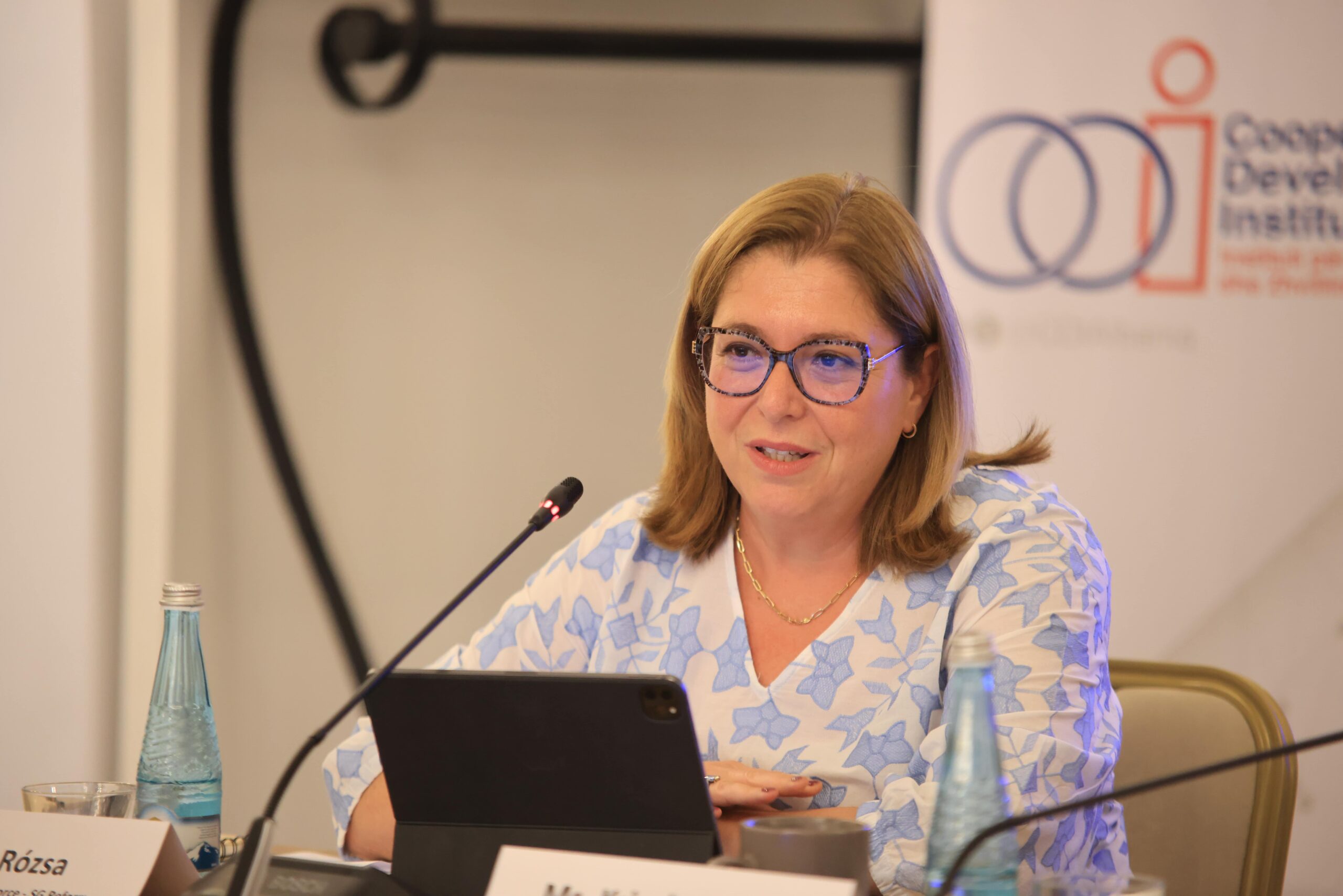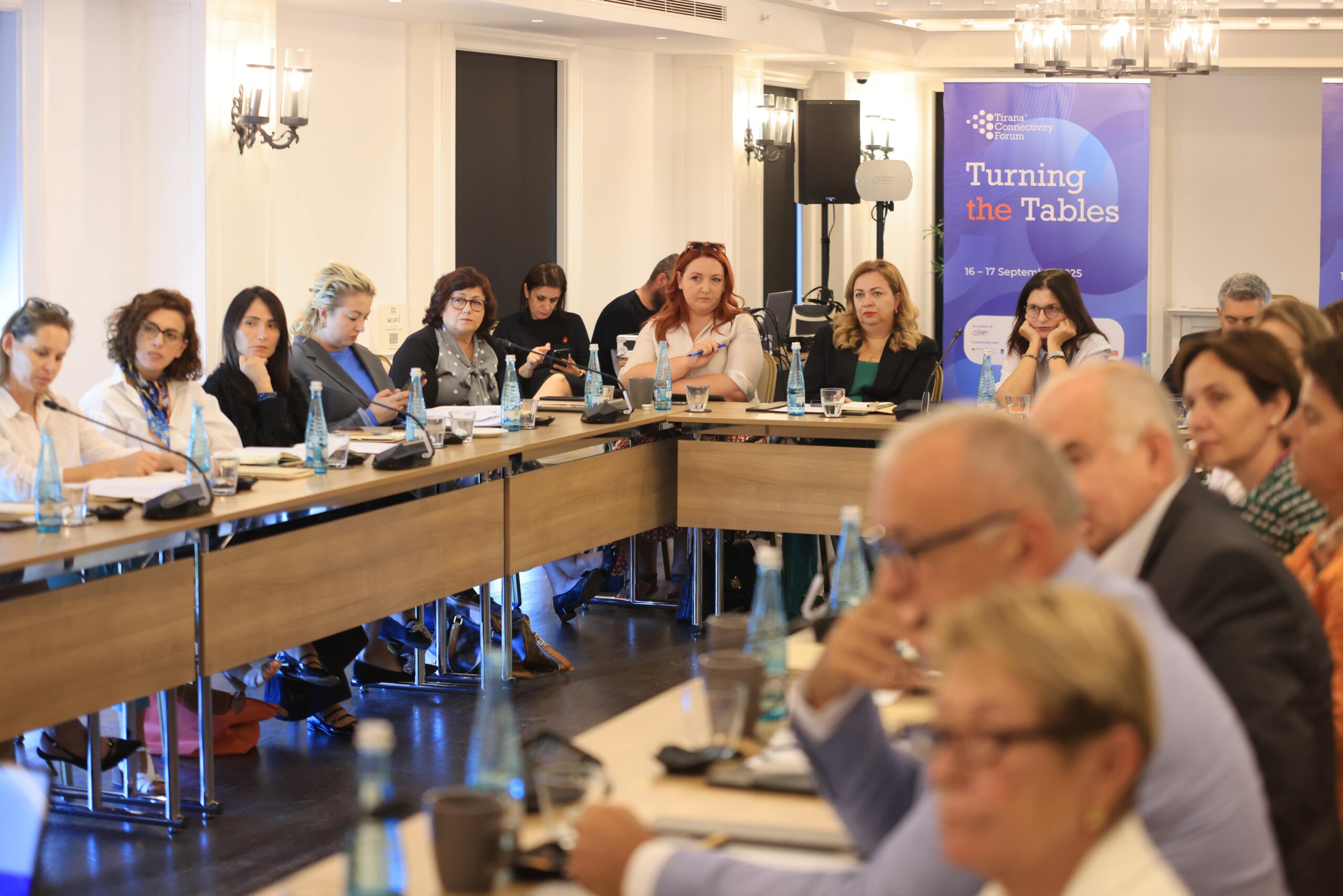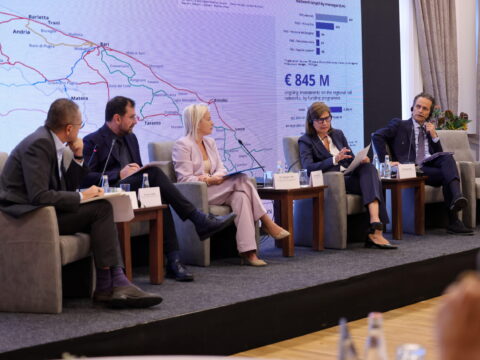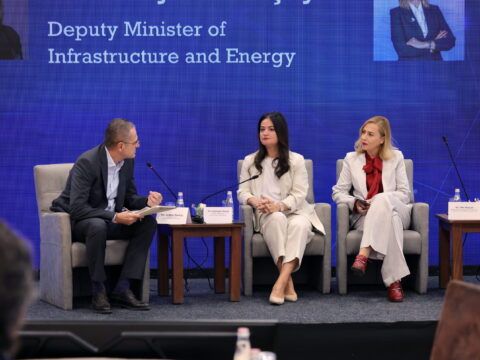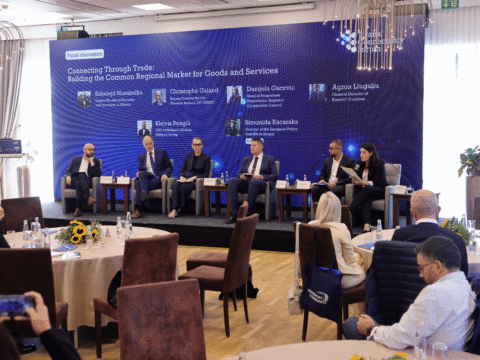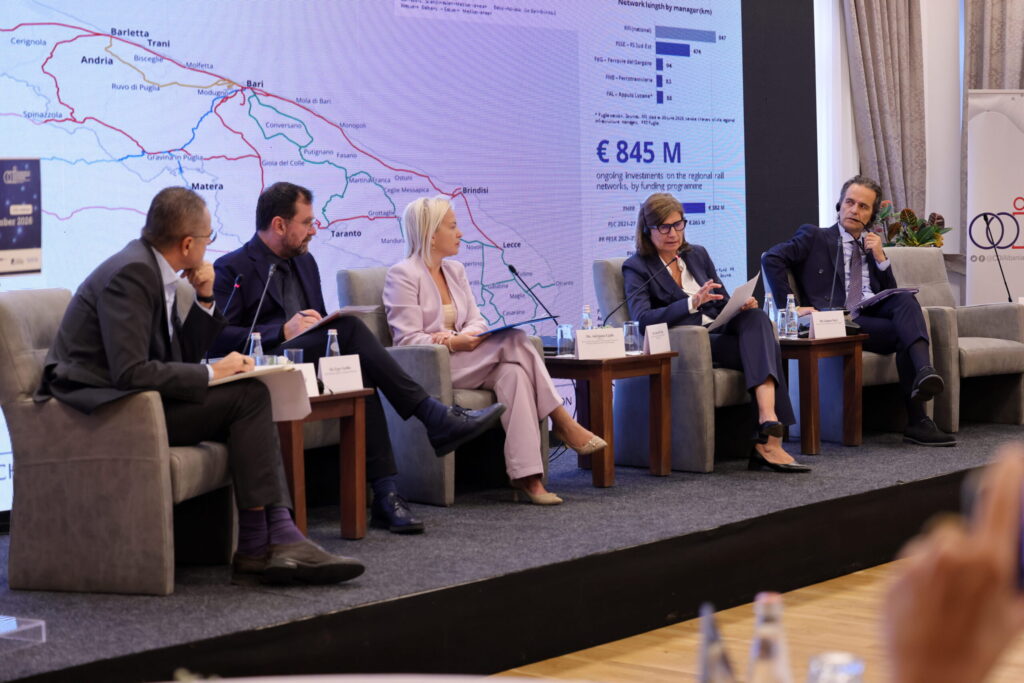


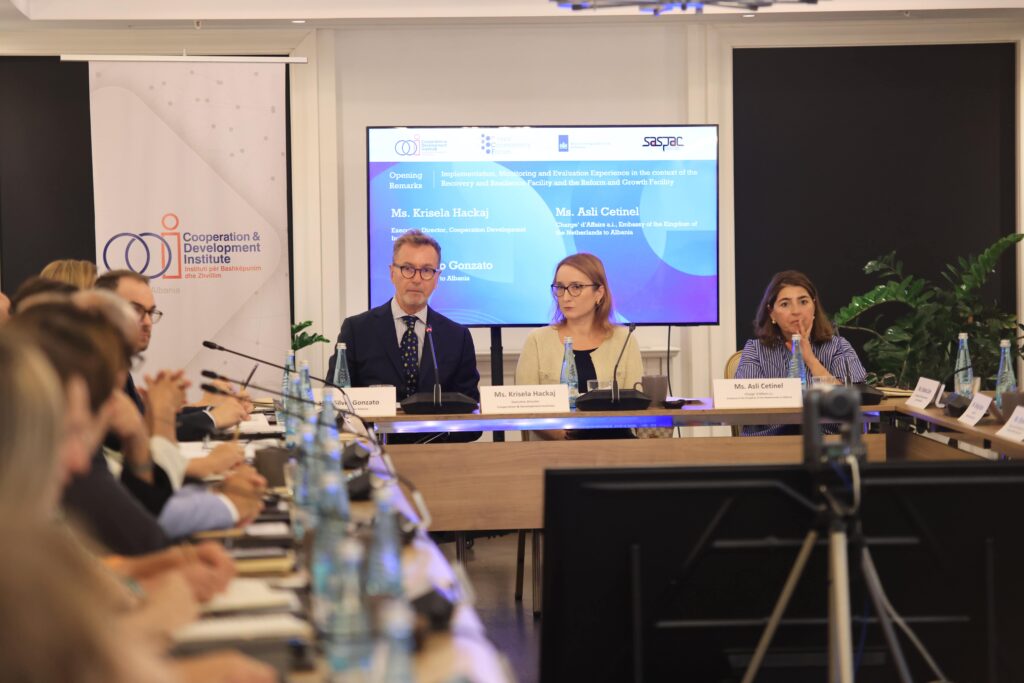
Tirana, 18 September 2025 | The event “Implementation, Monitoring and Evaluation Experience in the context of the Recovery and Resilience Facility and the Reform and Growth Facility” brought together government officials, EU, civil society and experts who agreed: RGF isn’t just about the funding. It’s a full-scale rehearsal for the responsibilities of EU membership, and success hinges on making the process transparent and inclusive for the whole of society.
Launched by the EU in 2024, the RGF disburses funds strictly upon the delivery of verifiable reforms. With Albania aiming for EU membership by 2030, the Facility is seen as a crucial training ground for managing the complexities of EU membership.
Speed, Credibility, and Inclusivity
Krisela Hackaj, CDI Executive Director, highlighted a game-changing shift: “For the first time, we have a clear roadmap with timelines, and evaluation rules. This gives all stakeholders the entry points to strengthen oversight and ensure reforms deliver tangible benefits for citizens.”
This need for accountable reform was underscored by EU Ambassador Silvio Gonzato, who praised Albania as a “frontrunner” but issued a crucial warning: “The accelerated pace could go to the detriment of transparency and inclusivity, which can affect the sustainability of the reforms.” He called civil society’s role “absolutely capital” in holding the process accountable.
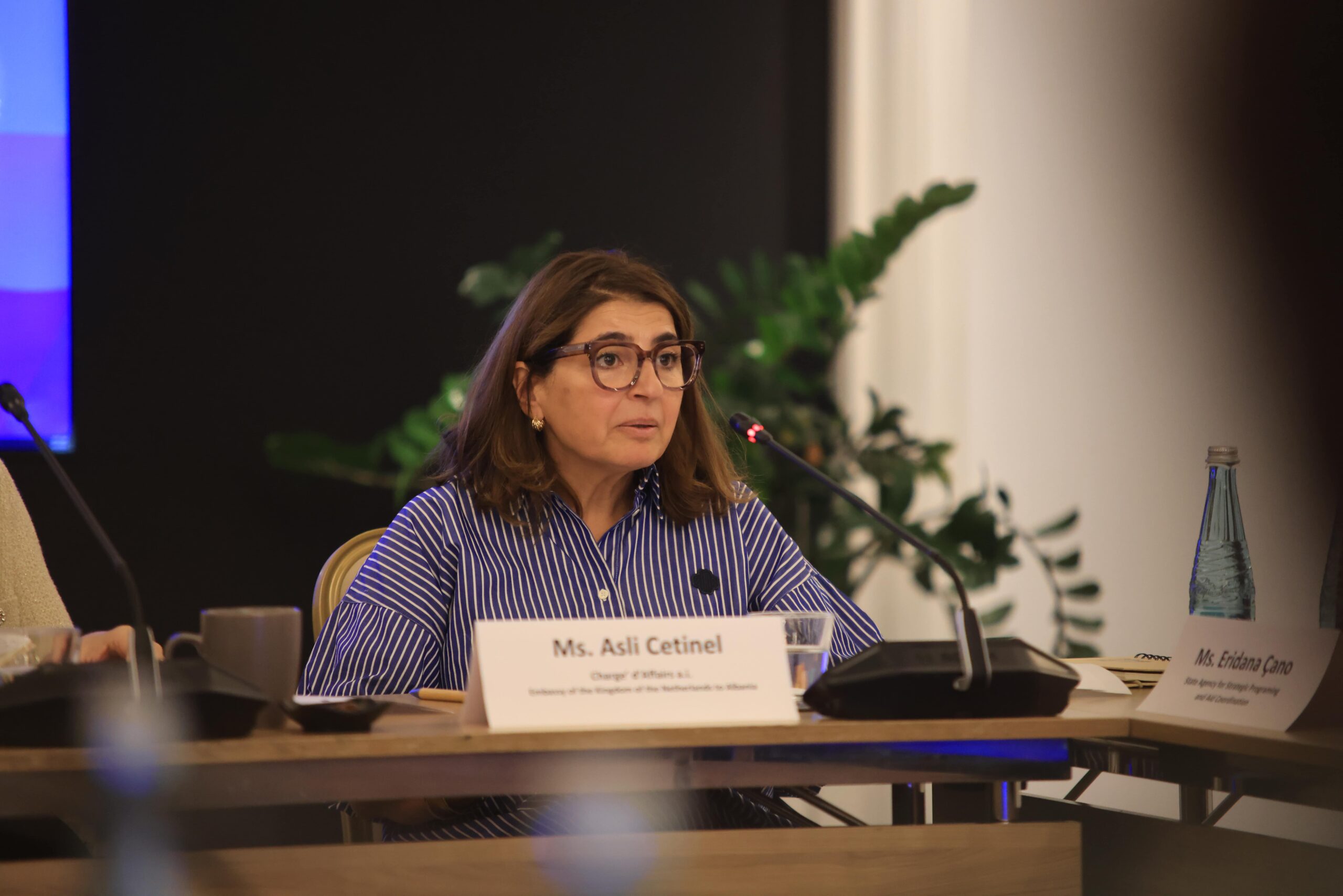
This was echoed by Aslı Çetinel, Chargé d’affaires of the Netherlands Embassy argued that credibility trumps speed. “It’s not the speed that matters, but the solidity of every step. We need predictable, professional institutions that form the foundation of trust,” she said.
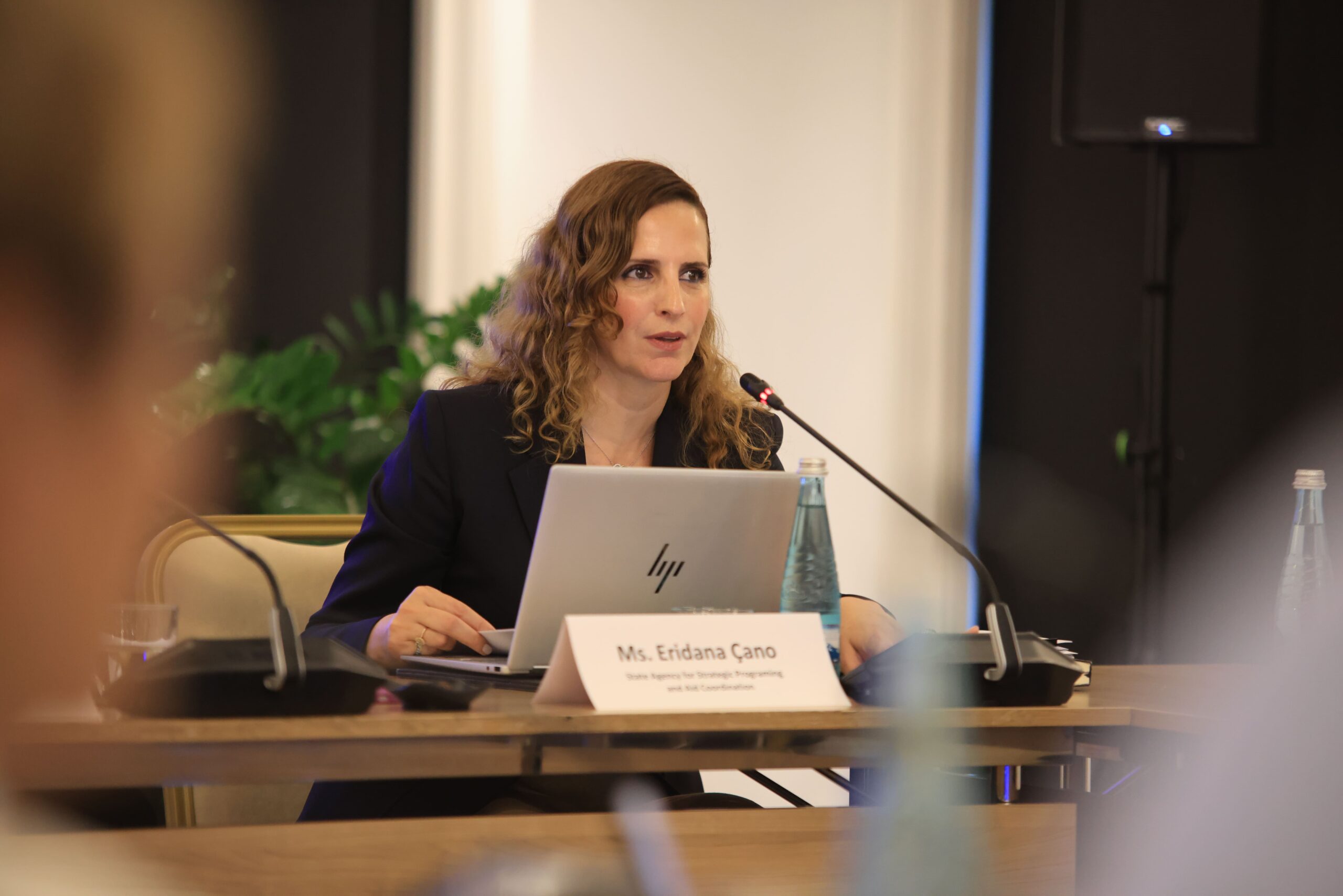
On the implementation front, Eridana Çano, General Director of SASPAC and RGF National Coordinator, described the Facility as a “stress test.” She reported initial results: 38 of 41 reported reform steps fully achieved, leading to a formal request for €204 million in EU support. “Delivering RGF is a whole-of-government commitment effort,” Çano stated while pledging a continuous and open dialogue with civil society and businesses, announcing their formal inclusion in the upcoming RGF Monitoring Committee.
More Than Money: A Bridge to the Future
The RGF is more than a one-off fund; it’s a direct bridge to the EU’s future financial system.
Judith Rózsa of the European Commission framed Albania’s current reforms within a continuous EU learning curve. She explained that the RGF is modelled on the EU Recovery and Resilience Facility (RRF), and mastering it is the perfect preparation for the next, predominantly performance-based Multi-annual Financial Framework (MFF). “What you achieve now with the RGF will ease your transition into future EU funding frameworks,” she said. To further this integration, she highlighted Albania’s active role as an observer in the EU’s Technical Support Instrument (TSI), where it is already gaining direct experience in multi-country projects on civil society tech, public finances, and green budgeting. “This, – she concluded, – is a strategic effort to weave accession countries into the fabric of EU reform processes well before membership”.
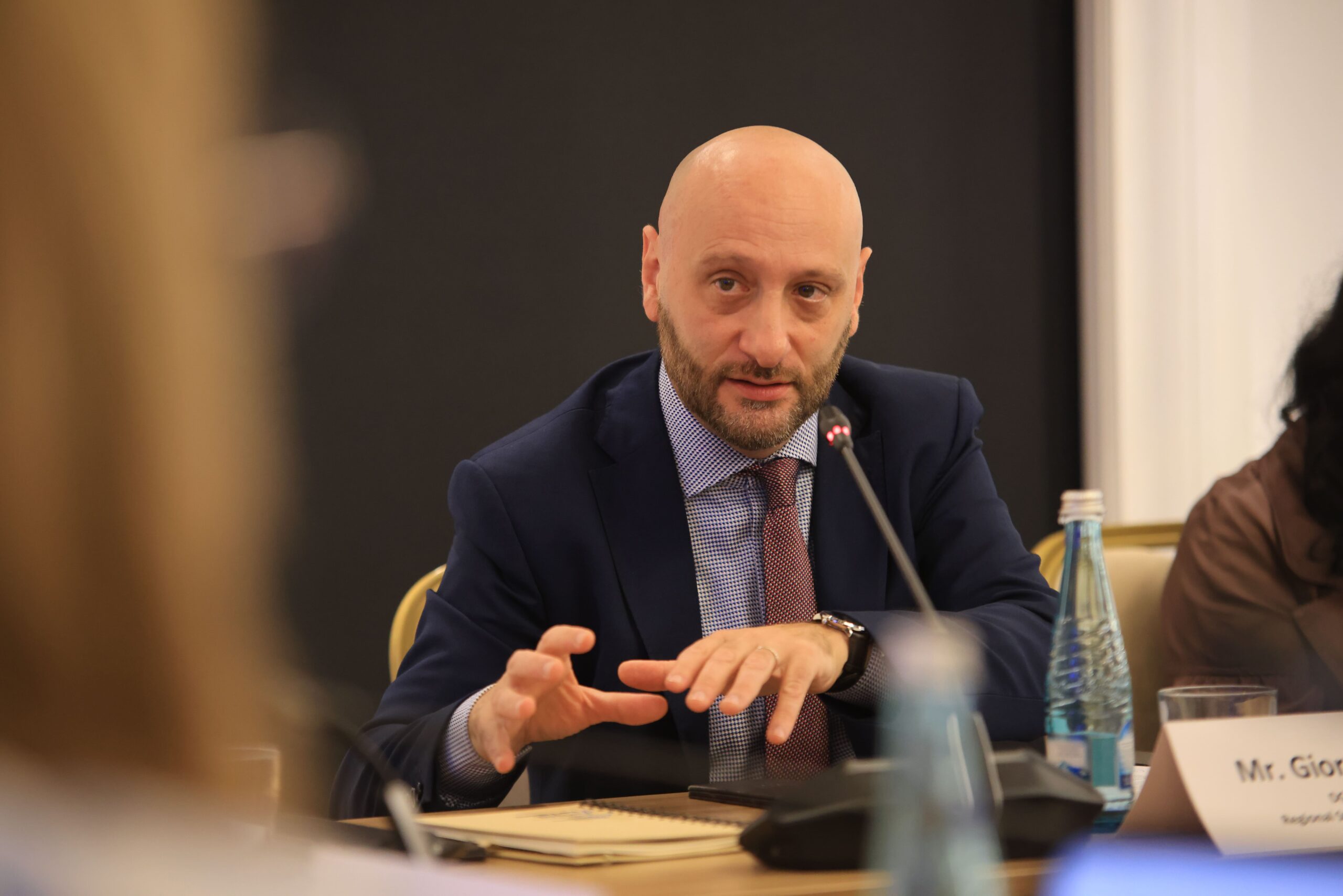
Adding to this, Giorgio Zecca of the European Commission’s DG NEAR provided reassurance, noting that a rigorous assessment is normal. “Success depends on robust governance, forward planning, strong coordination, and sustained capacity building,” he stated, praising Albania’s “courageous” front-loading of reforms.
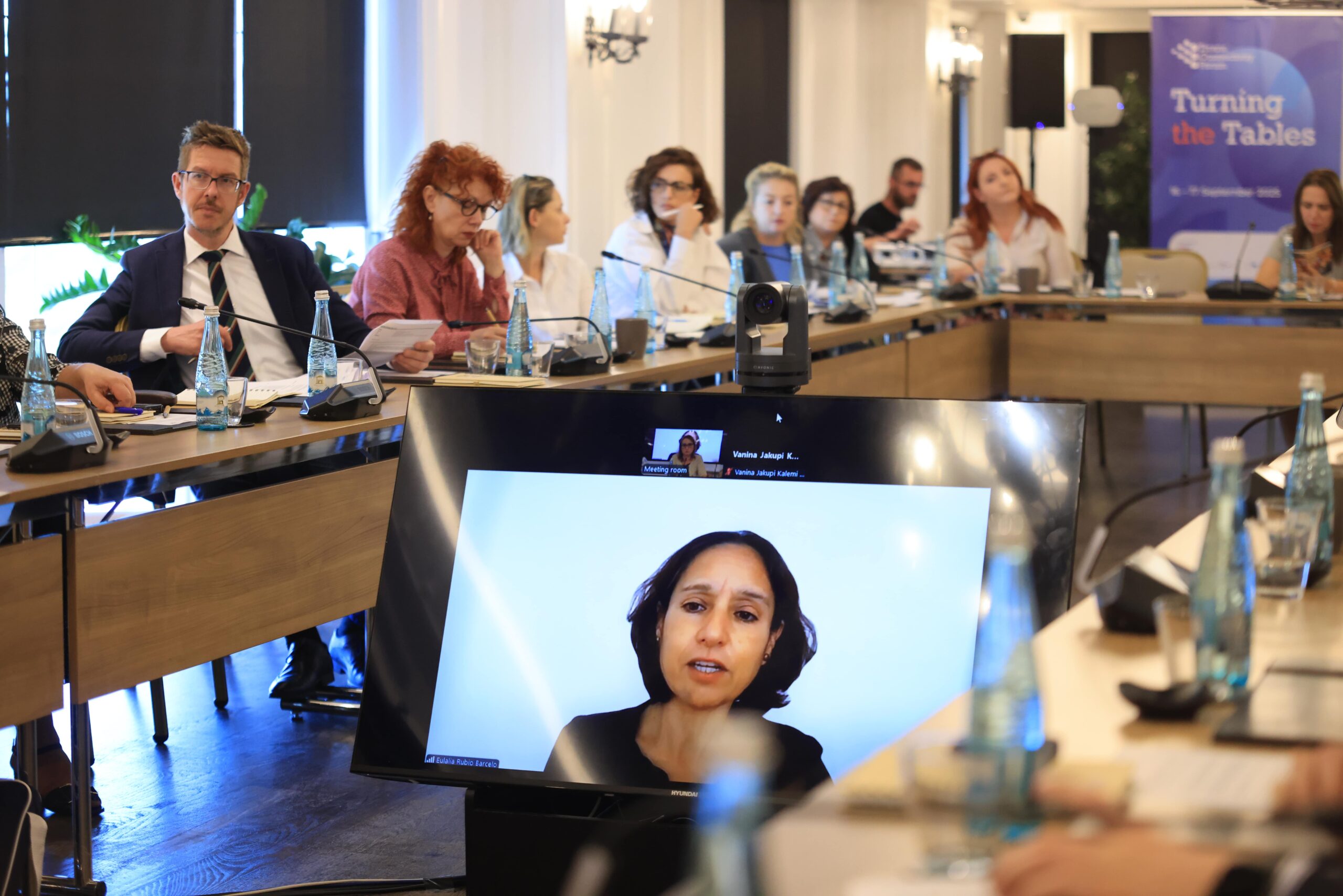
Eulalia Rubio from the Jacques Delors Institute described the proposed new MFF as a “revolution” that consolidates funding into a simpler, more strategic structure, with a strong focus on performance-based approach. She highlighted that while the political commitment to pre-accession is strong, many details remain undefined. A key trend she identified is a sharper focus on aligning EU external funding with the Union’s own strategic interests, such as economic security and migration.
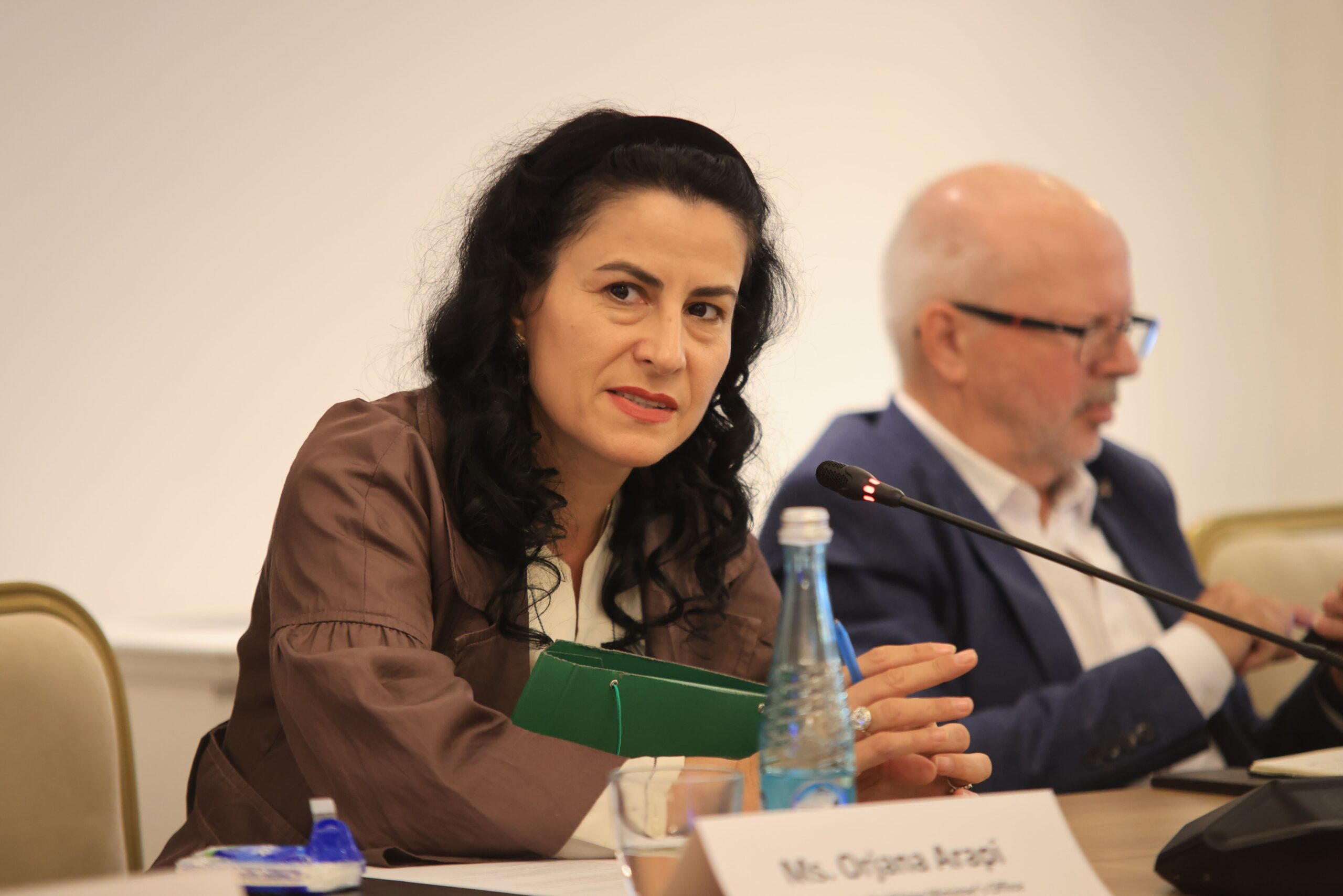
From the Prime Minister’s Office, Oriana Arapi emphasized the critical need for Albania to begin preparing immediately for the EU’s next long-term budget noting that the new MFF represents a significant consolidation of instruments into a “single national plan” for each member state, governed by a performance-based logic similar to the RGF. Arapi stressed that mastering the current RGF is the essential exercise for this future system. She also highlighted the importance of ensuring that the “window of opportunity” for candidate countries to participate in various EU programs – from the Competitiveness Fund to cohesion policy instruments – remains open. Accelerated integration is vital for building institutional capacity, she highlighted.
Talking on the regional perspective, Gentian Xhaxhiu of the Regional School of Public Administration reminded participants that the real challenge lies not in drafting laws, but in implementing them effectively, noting that the RGF provides an opportunity to professionalize the public administration and strengthen regional cooperation.
Throughout the debate, civil society representatives noted that the Facility is already fostering a new climate of cooperation between state institutions and non-state actors, making reform delivery a shared responsibility.
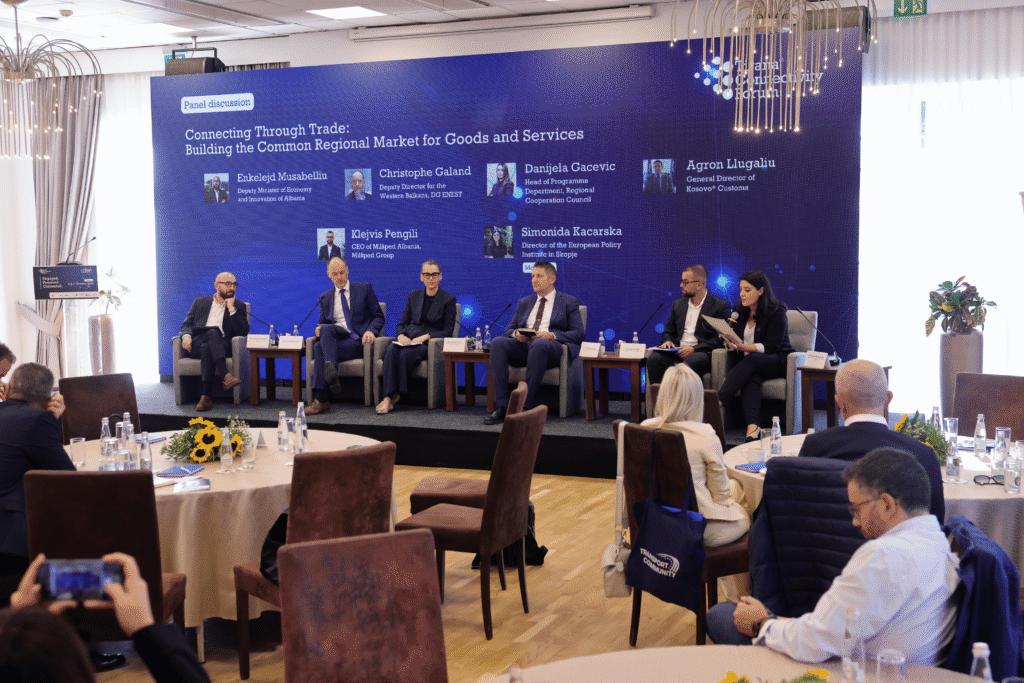
Organized by CDI with the support of the Embassy of the Kingdom of the Netherlands and under the auspices of the State Agency for Strategic Programming and Aid Coordination (SASPAC), the event was held as a side event of the Tirana Connectivity Forum 2025.