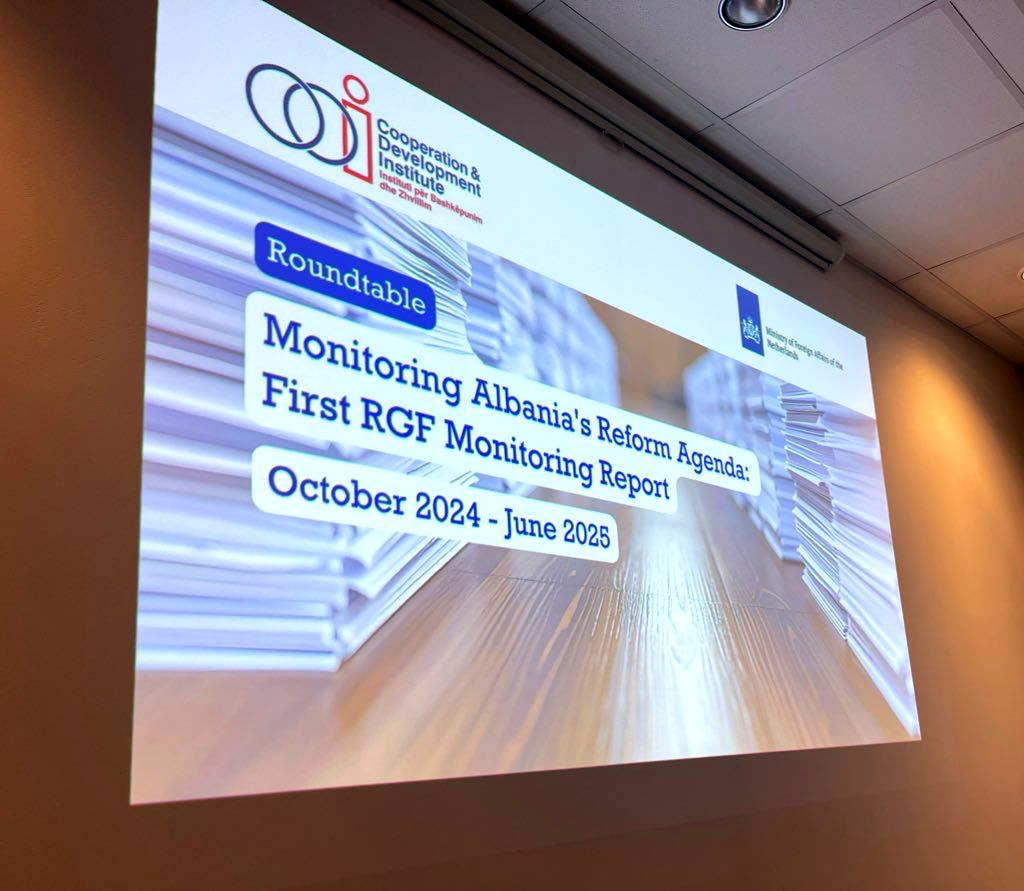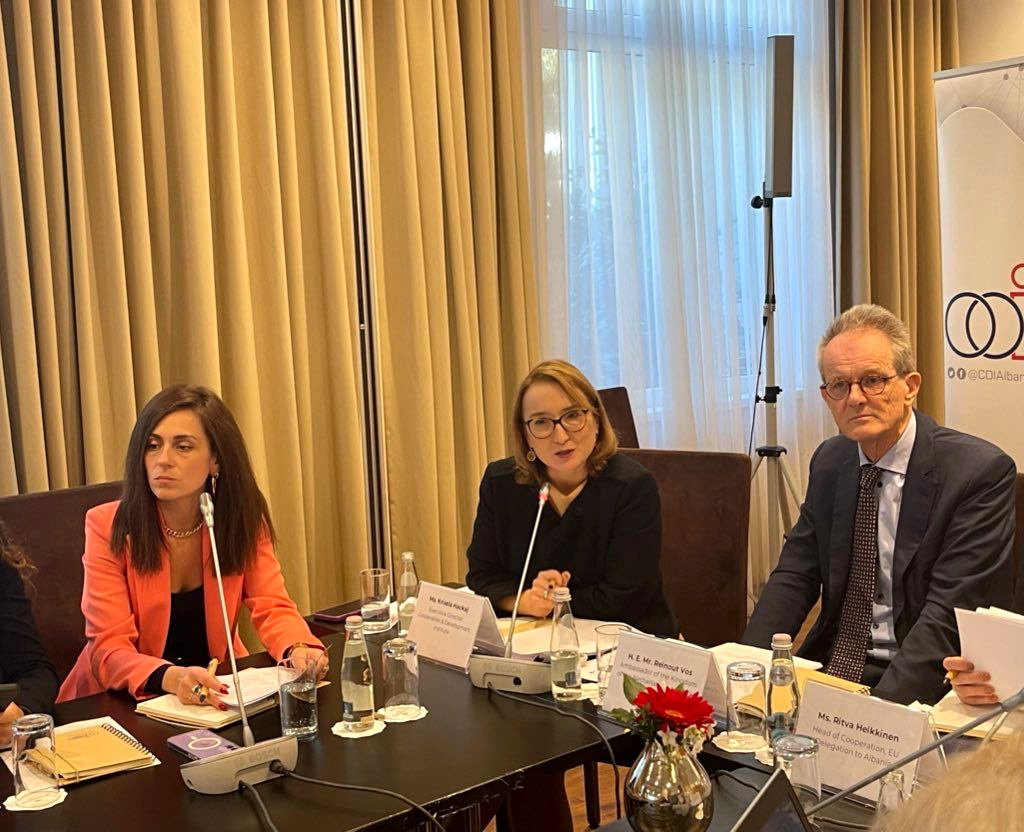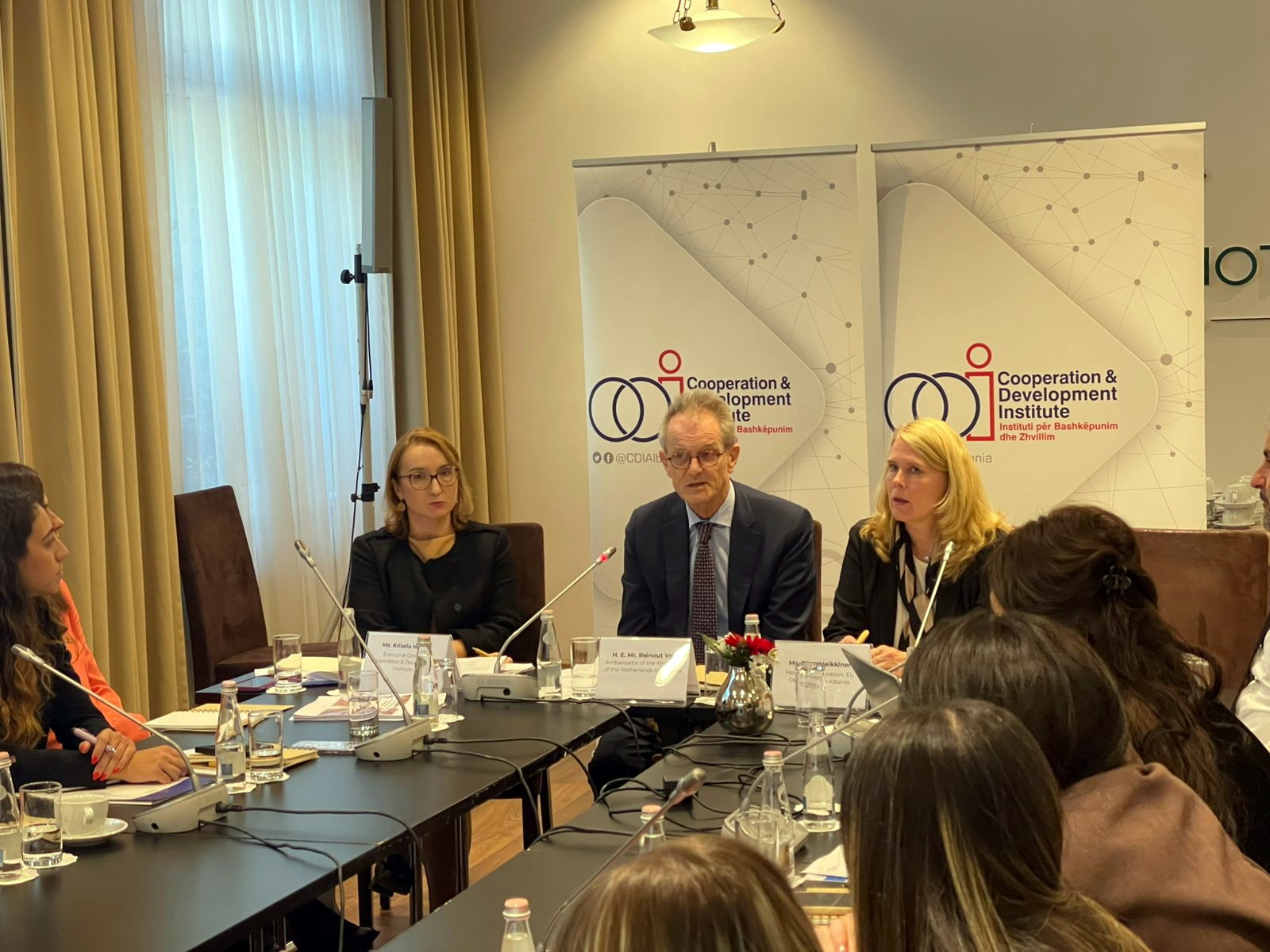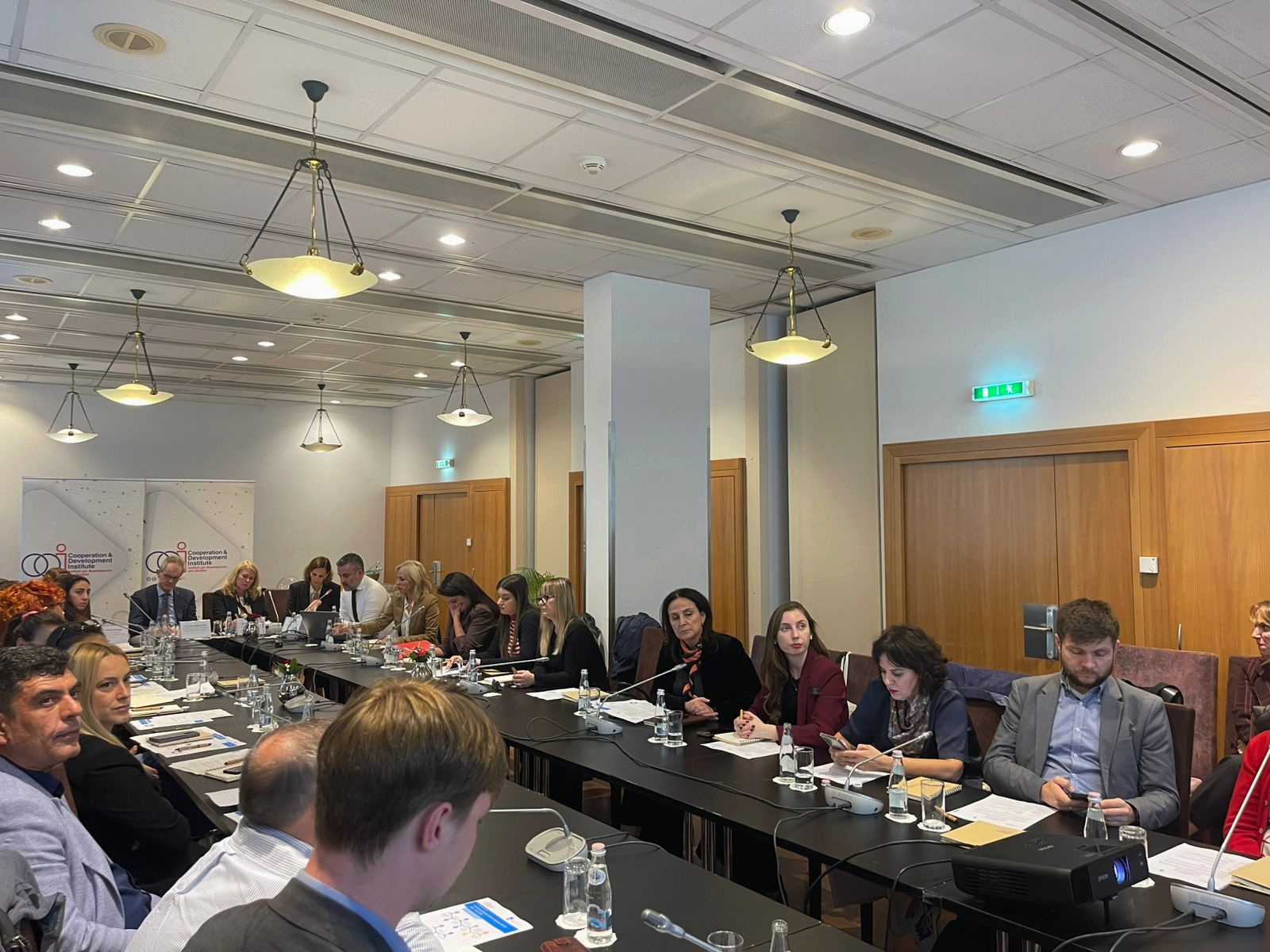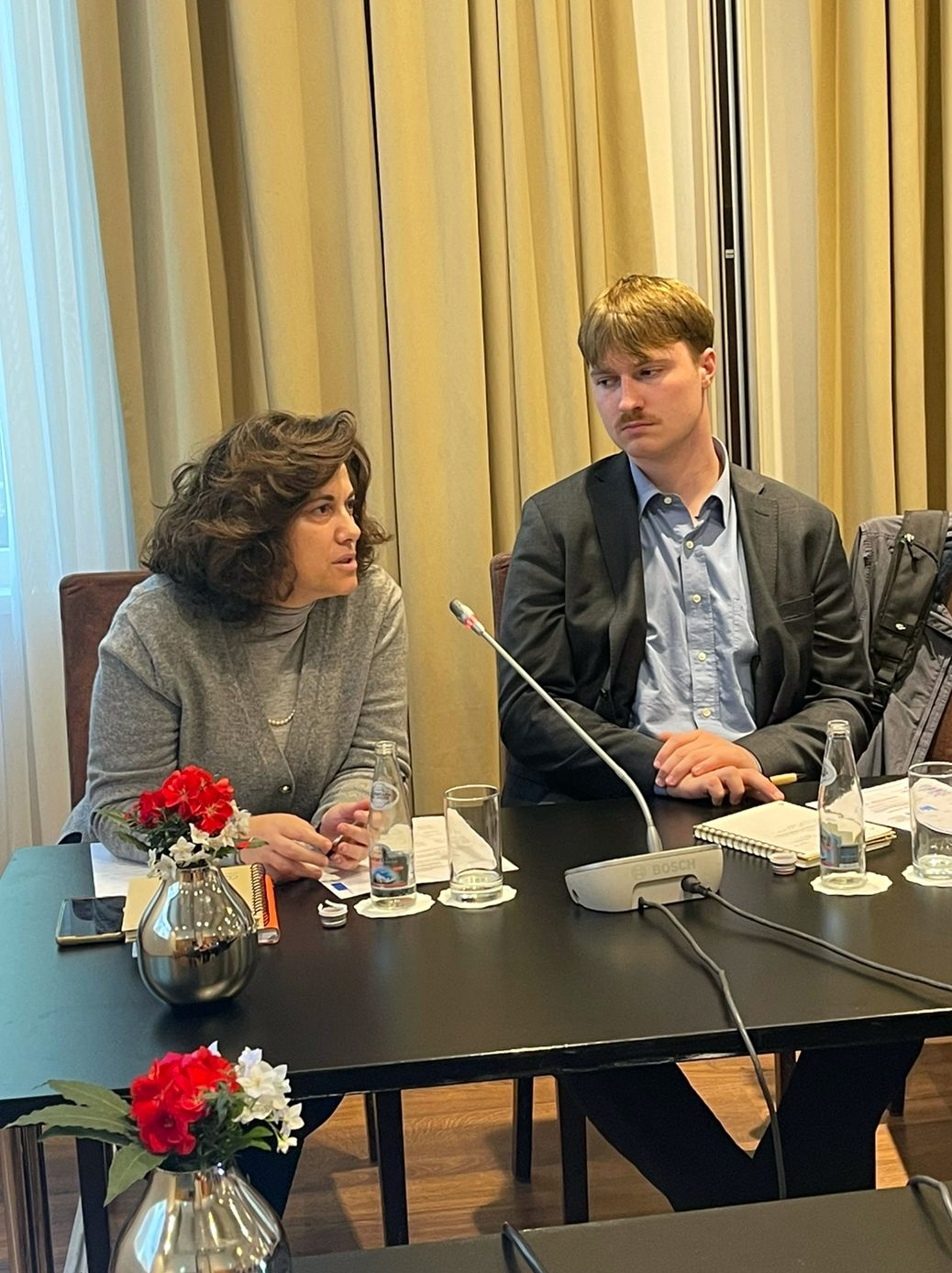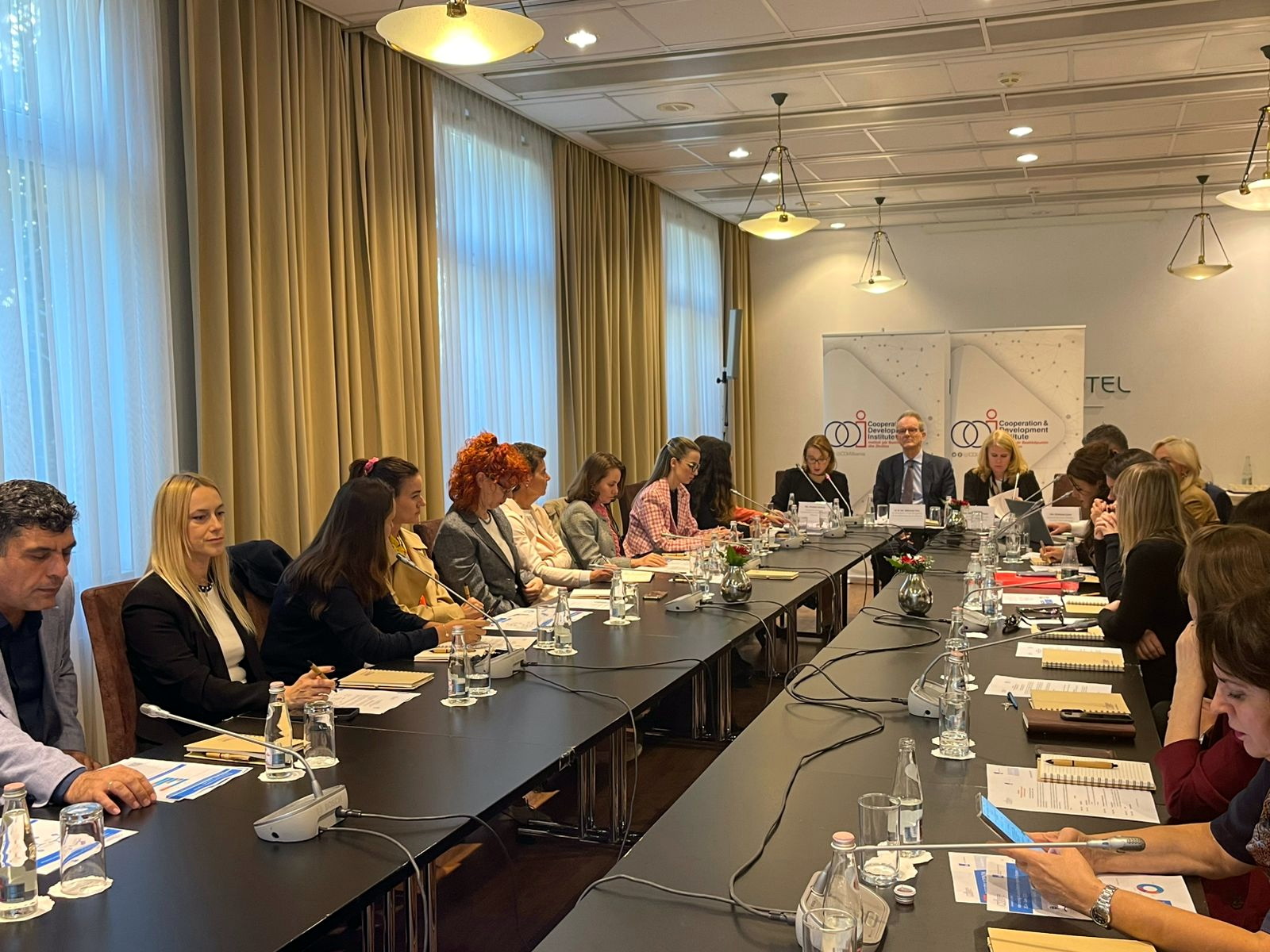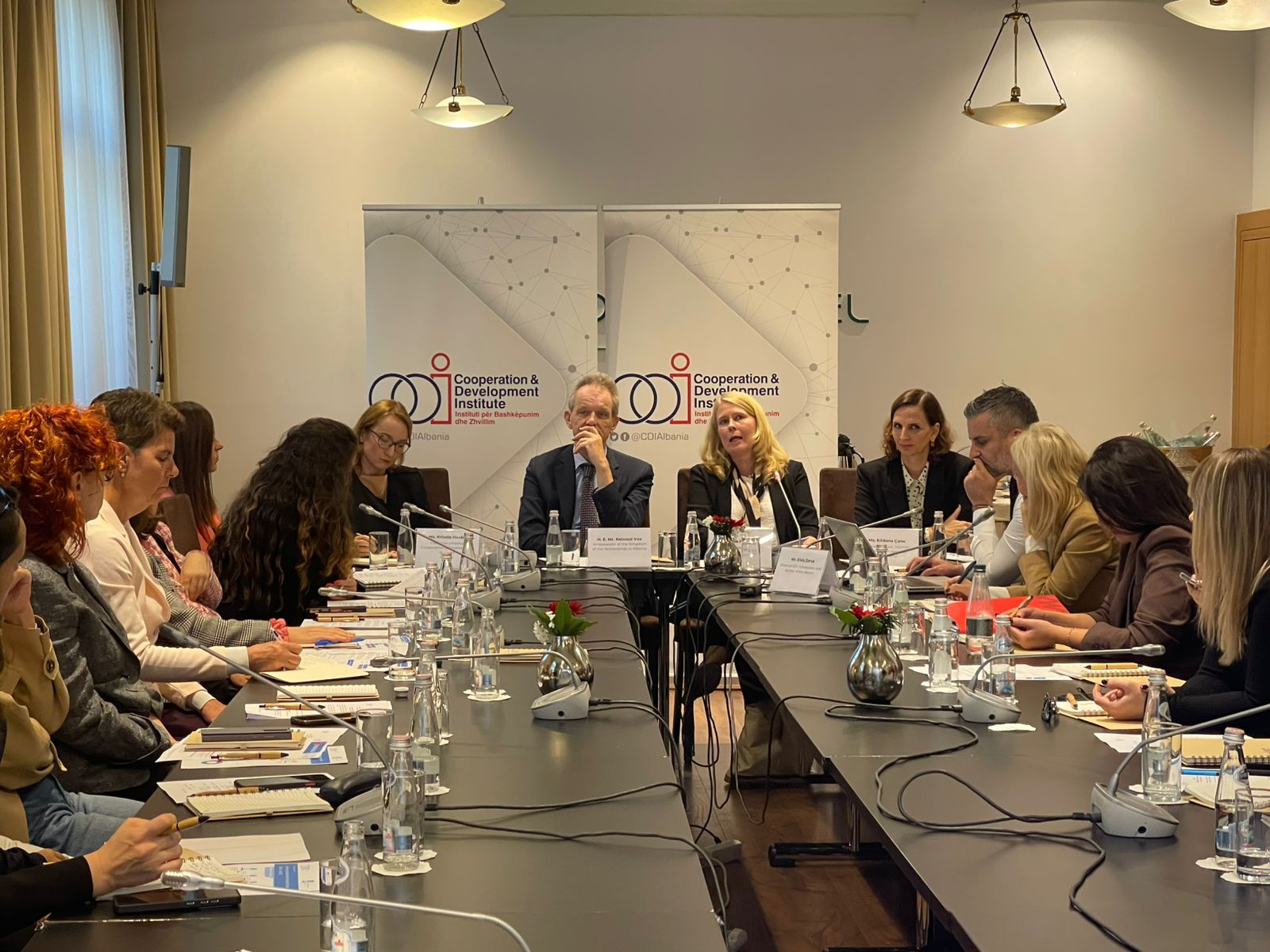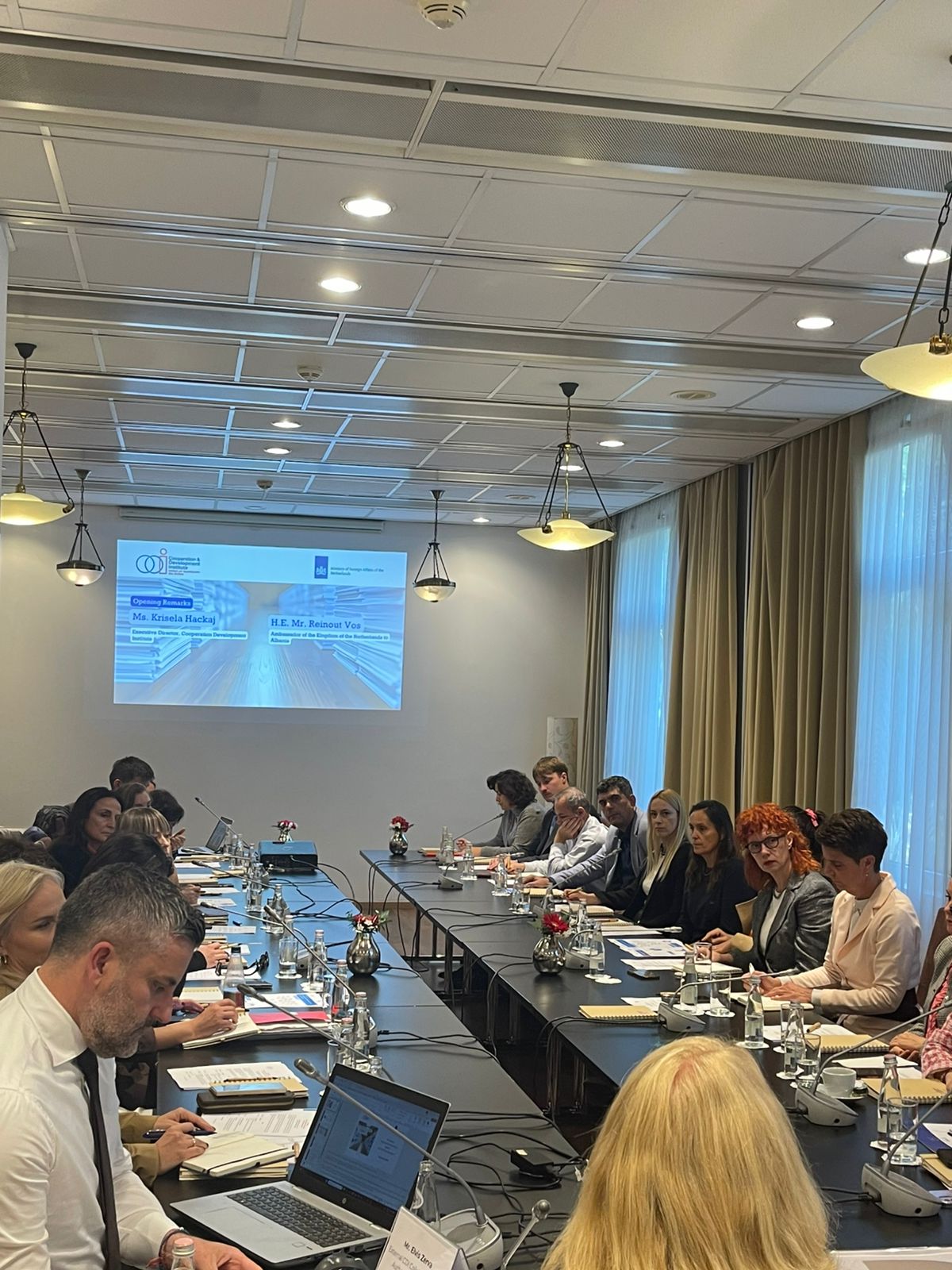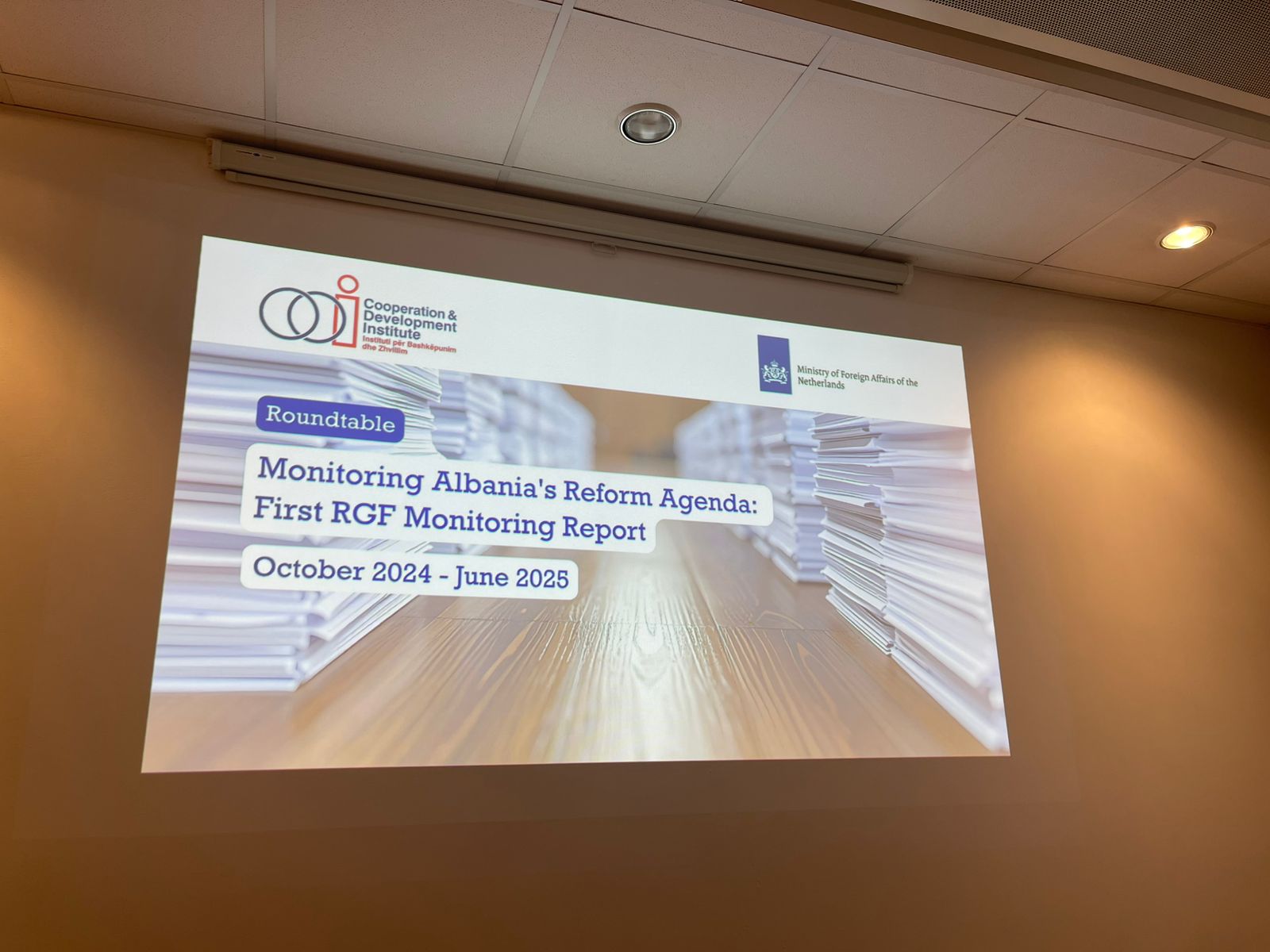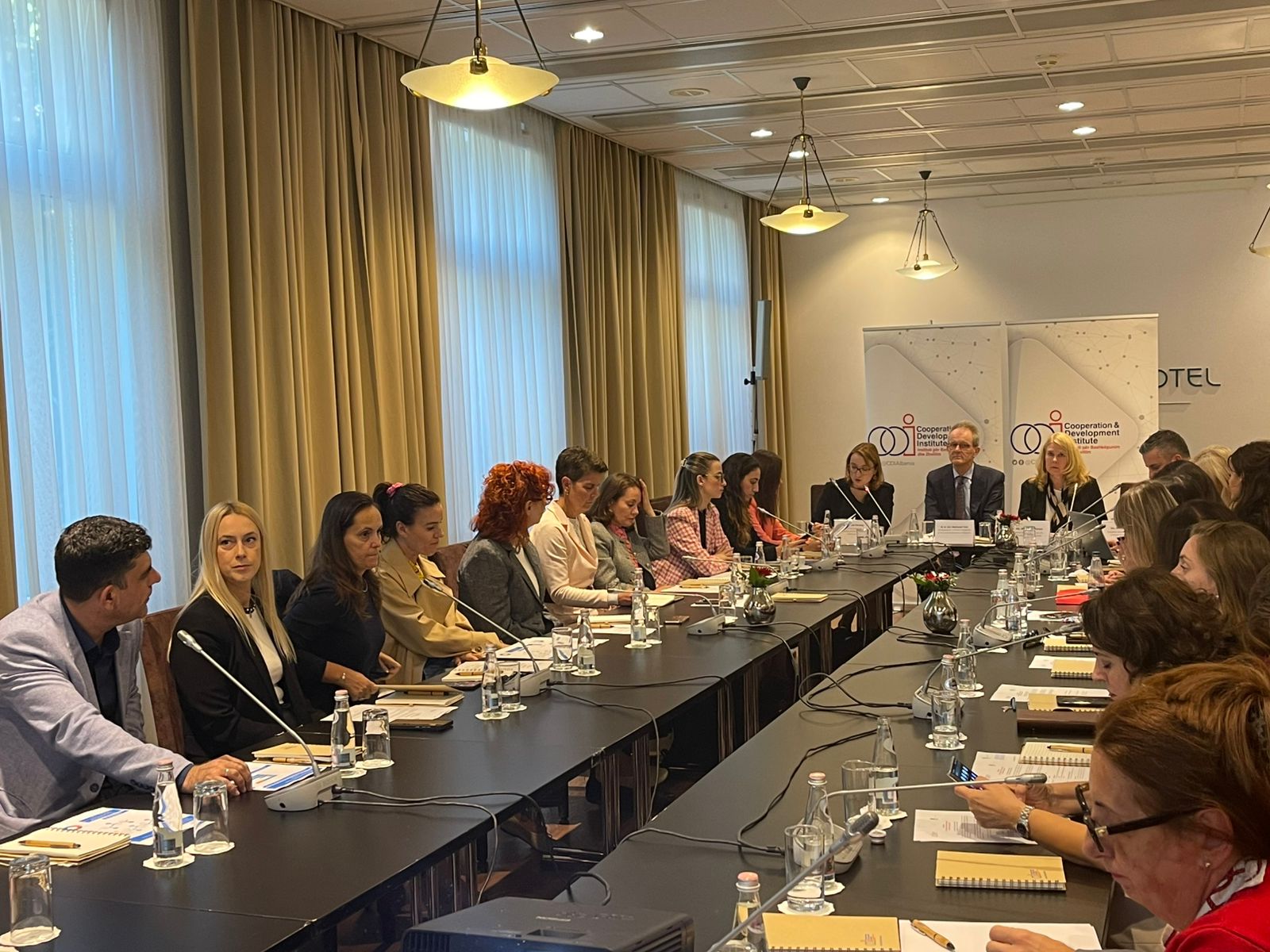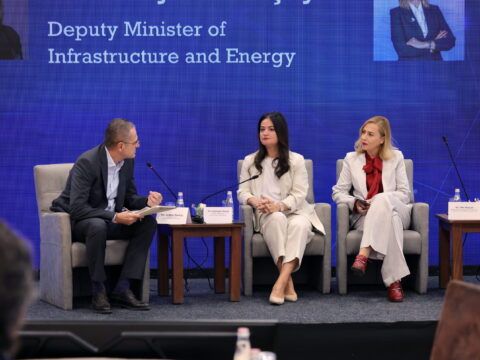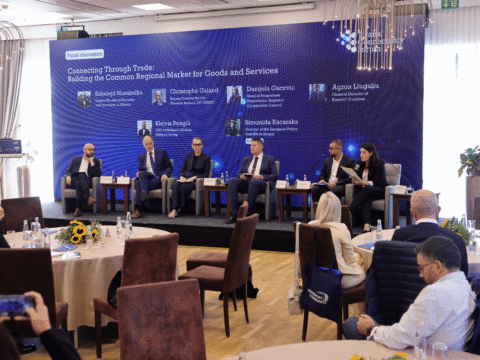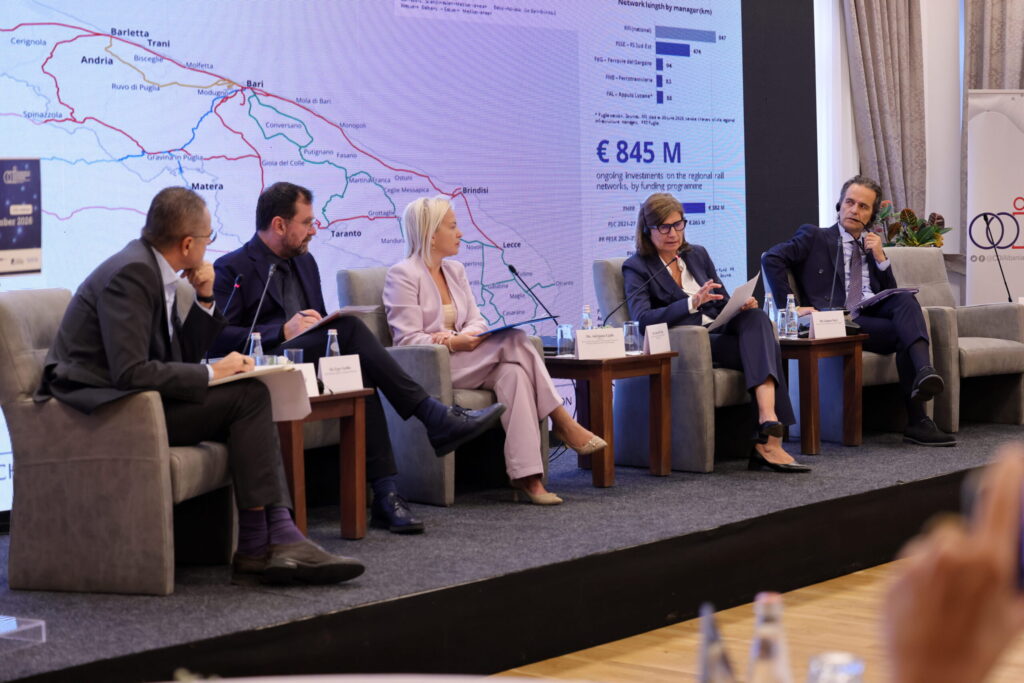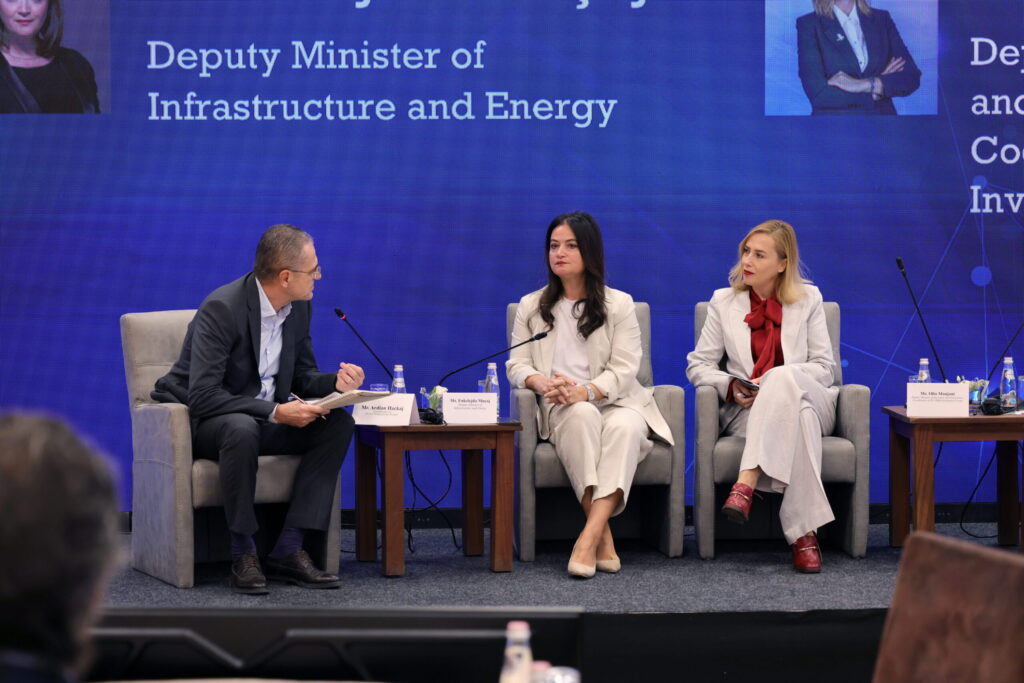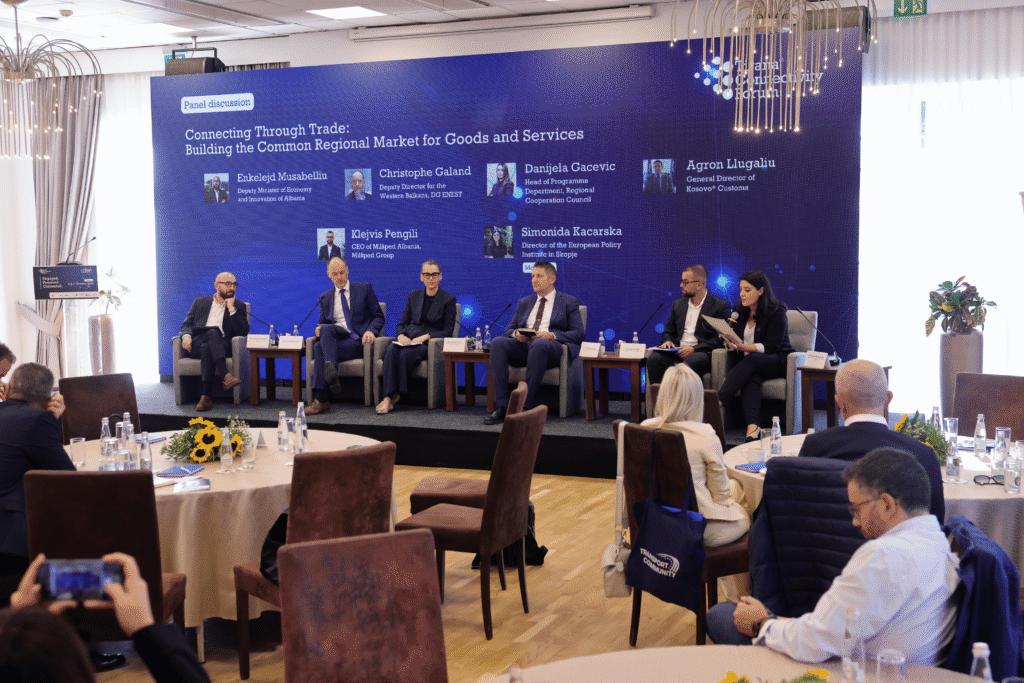


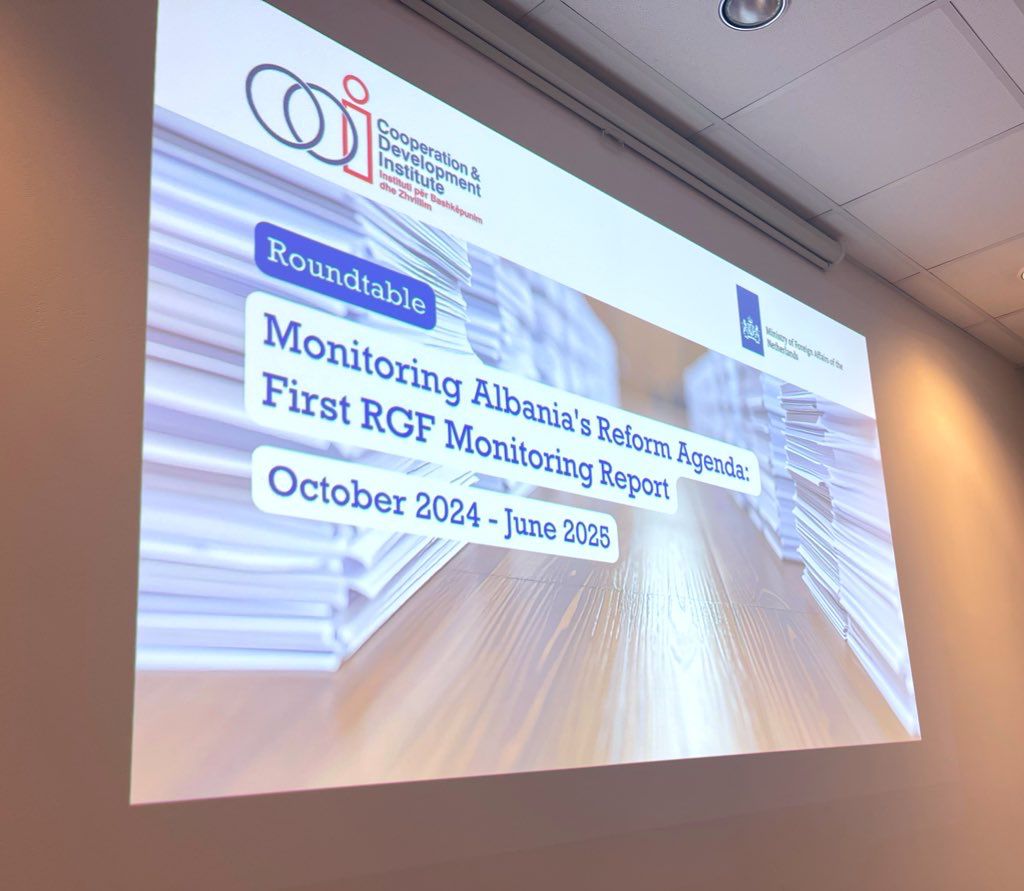
Tirana, 20 October 2025 | CDI presented the findings of its first independent comprehensive Monitoring Report on Albania’s Reform Agenda under the EU’s Reform and Growth Facility (RGF). The roundtable was organized under CDI’s initiative “Increasing Albanian Civic Engagement Footprint in the Growth Plan,” supported by the Embassy of the Kingdom of the Netherlands in Albania.
The report highlights progress in establishing governance and monitoring frameworks and advancing reform implementation — despite the May 2025 electoral process. Progress recorded between October 2024 and June 2025 reflects a consistent effort and determination across institutions. However, it also points to the need for further strengthening of administrative capacity and transparency to deliver inclusive reforms implementation. Ultimately, the report emphasizes, reform is not just about adopting laws or creating institutions – what matters is their operational capacity to deliver real outcomes that reach citizens and interested stakeholders.
Opening the discussion, Ms. Krisela Hackaj, CDI Executive Director, emphasized that this first monitoring exercise was conducted while the government was adjusting the legal and institutional base to ensure the RGF implementation. “The findings show strong determination across institutions, but also underline the need for clearer implementation, control and reporting guidance, greater transparency, and stronger public engagement to ensure reforms deliver the intended impact.”
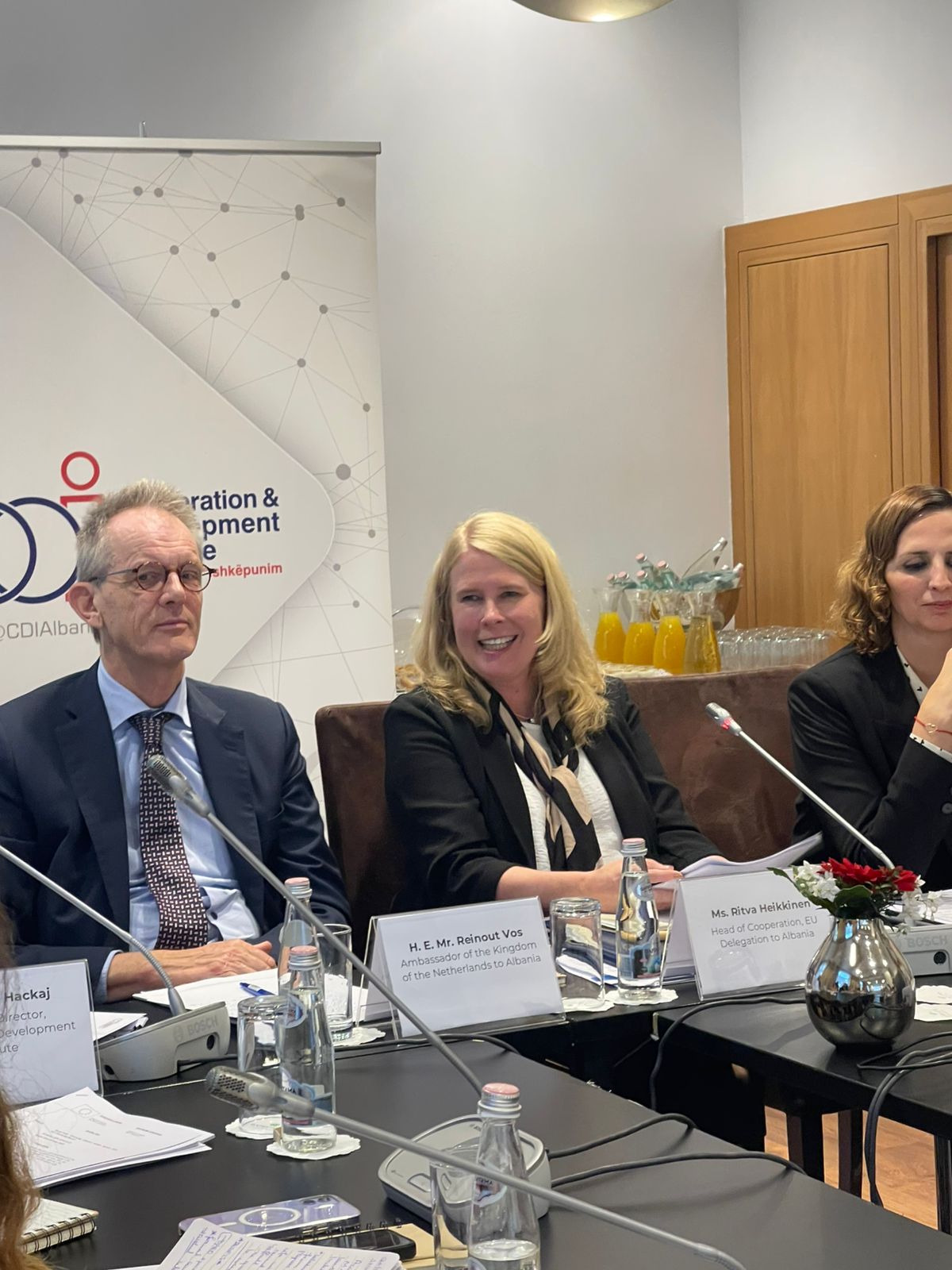
In his remarks, H.E. Mr. Reinout Vos, Ambassador of the Netherlands to Albania, highlighted the importance of transparency, civic engagement, and strong partnerships in driving successful reforms. He reaffirmed the Netherlands’ commitment to supporting initiatives that ensure Albania’s reform efforts are effectively implemented for the benefit of citizens.
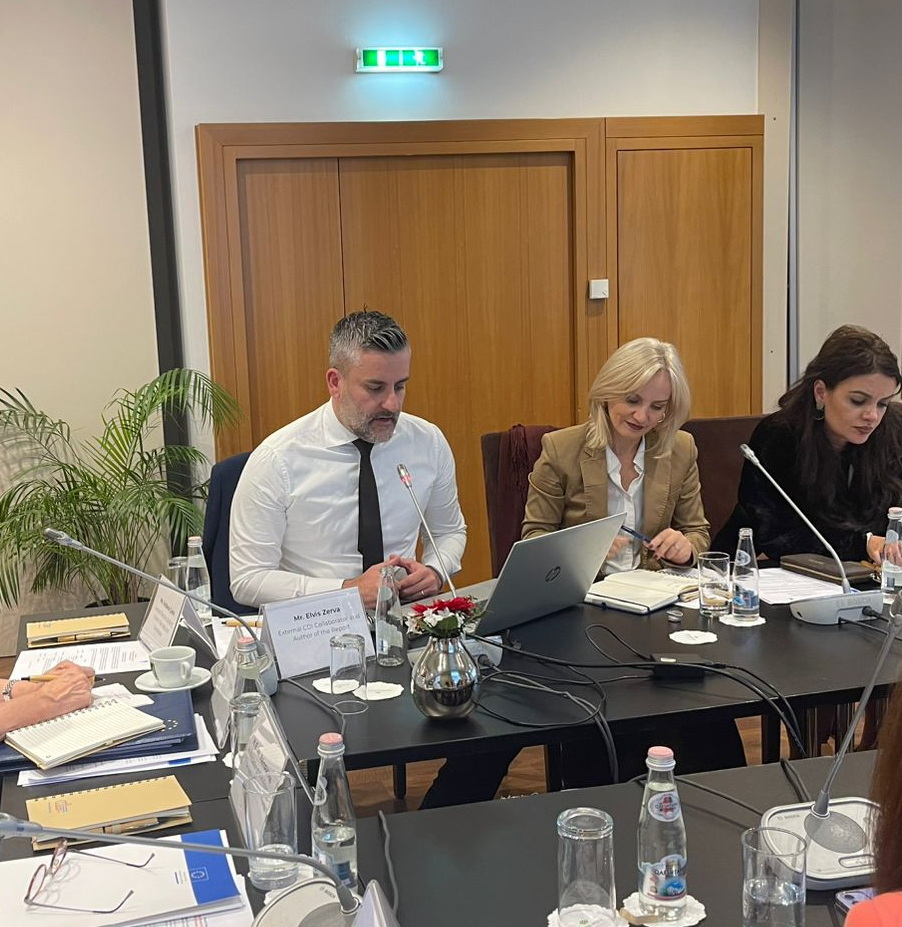
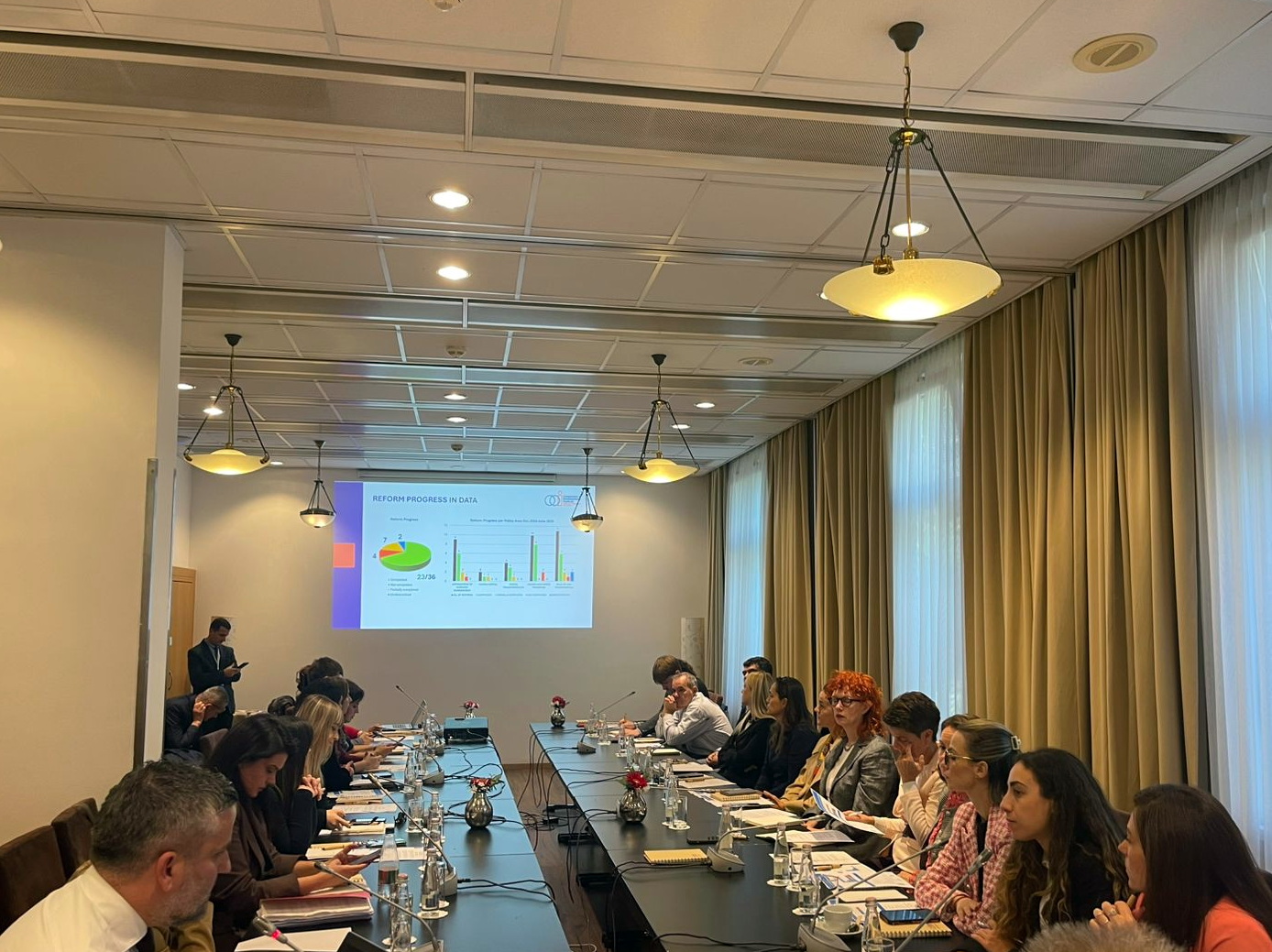
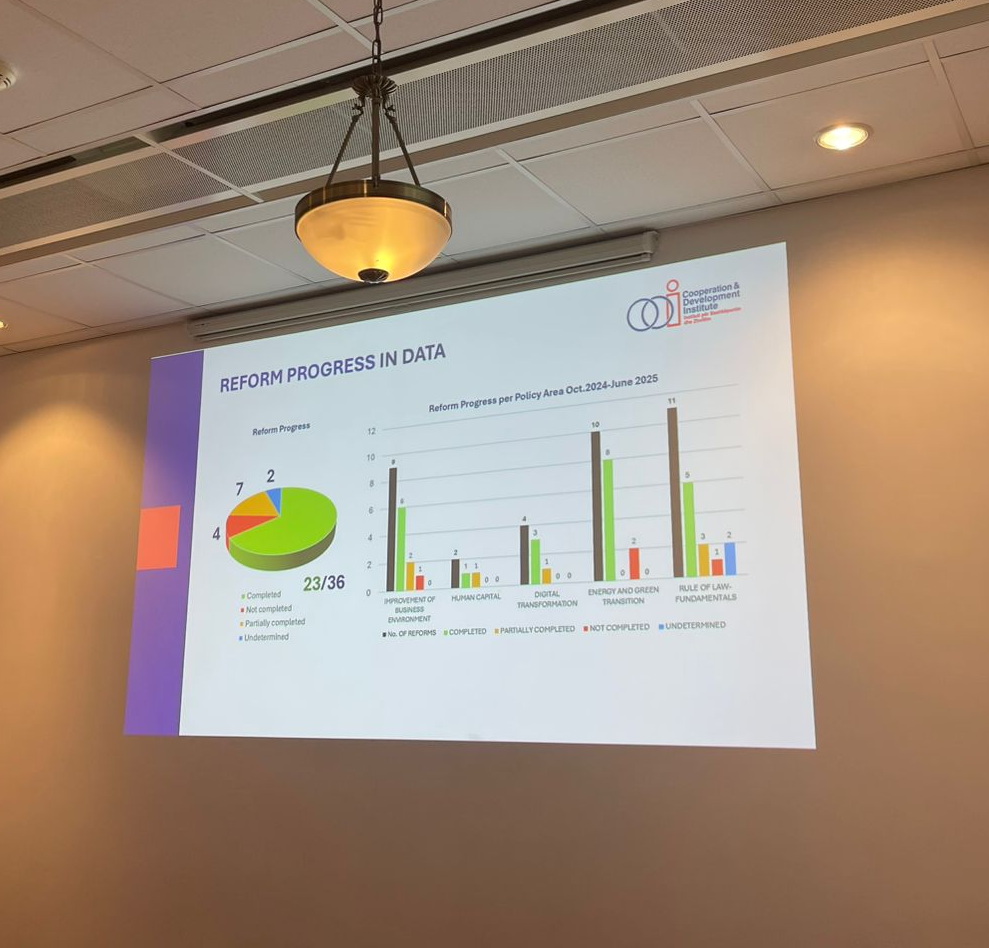
Presenting the key findings, Mr. Elvis Zerva, CDI External Collaborator and author of the report, noted that based on the report’s methodology 23 out of the 36 Dec’ 24-June ‘25 reform steps are considered completed, with significant progress in governance, digital transformation, and the business climate. Mr. Zerva highlighted some of the major challenges in monitoring the Reform Agenda: many reform steps lack clear, measurable indicators, making progress difficult to track; the assessment framework tends to focus on formal compliance rather than actual implementation; there is no publicly available guidance for what counts as “satisfactory fulfilment” especially in a context of predominantly qualitative payment conditions; updates on reform progress are irregularly communicated, limiting transparency and public accountability.
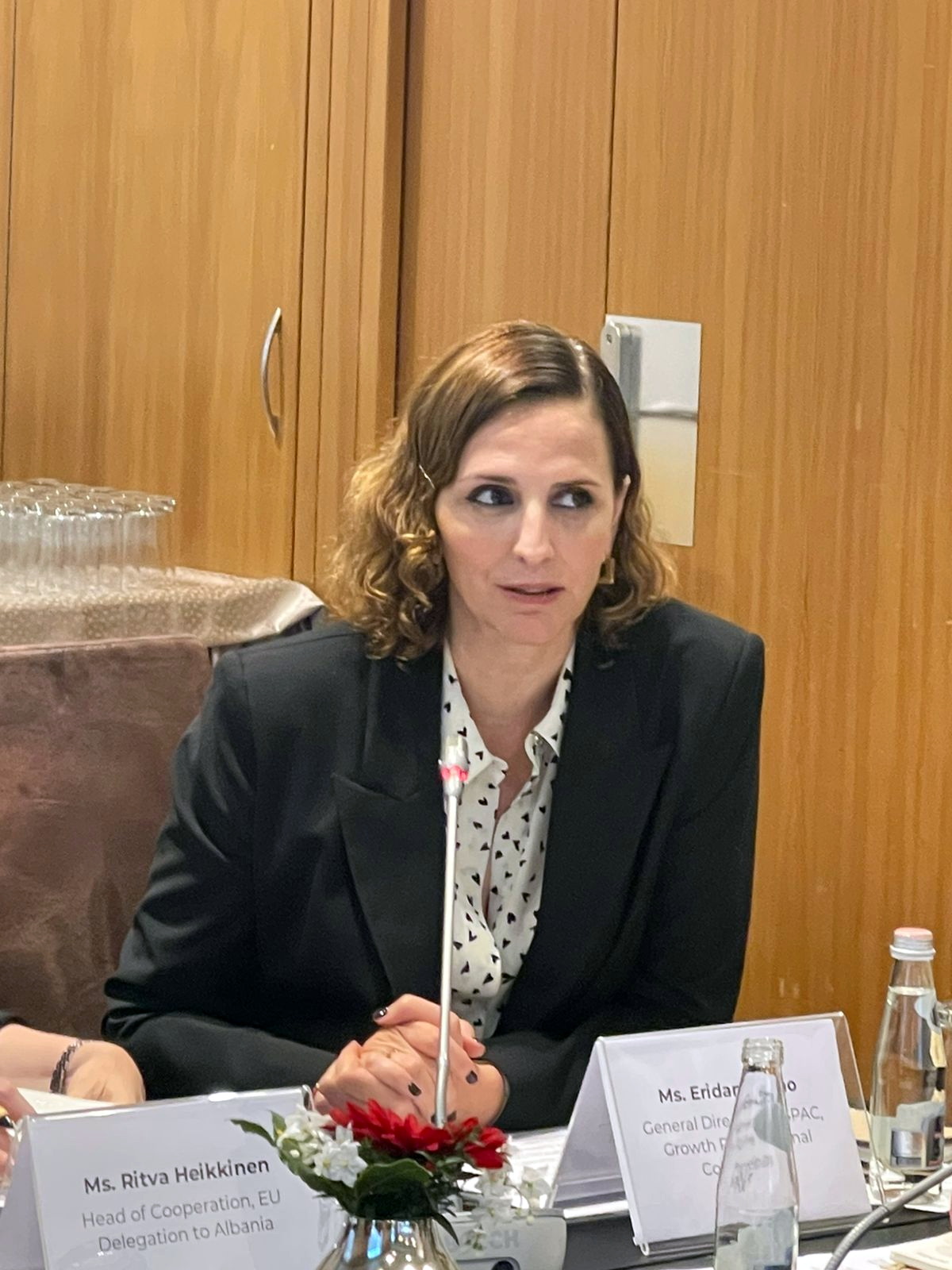
Ms. Eridana Çano, SASPAC General Director and RGF National Coordinator, emphasized that maintaining reform momentum is crucial, as future performance will depend not only on action but also on continuous monitoring and oversight. She highlighted the Agency’s focus on communication and visibility, making the Reform Agenda more tangible and accessible for citizens, civil society, media, and academia.
Ms. Ritva Heikkinen, Head of Cooperation at the EU Delegation to Albania, commended CDI’s monitoring work and the constructive dialogue it fosters between institutions and civil society. She highlighted the need to support and closely monitor the Line Ministries work plan on reforms adoption and implementation, to ensure that momentum is sustained throughout the implementation period.
Building on the report’s findings, the following recommendations towards strengthening RGF implementation and ensuring that reforms deliver measurable impact were presented:
- Establish a clear, transparent, and publicly available methodology for reporting and fund assessments to ensure consistency, credibility, and predictability.
- Promote structured, continuous dialogue between institutions, civil society, and the business community, including ex-ante consultations to anticipate reform challenges and ex-post consultations to share progress and gather feedback.
- Enhance public communication and citizen engagement through targeted information campaigns and sector-specific communication plans outlining the objectives, benefits, and impact of each reform.
- Strengthen the RGF Monitoring Committee as a central element of the governance framework, ensuring active participation from civil society and private sector representatives.
This first report, along with future monitoring exercises, will feed into debates on Albania’s EU membership agenda by 2030 and inform the Multiannual Financial Framework 2028–2034.
The report can be consulted here and the Summary Factsheet here.