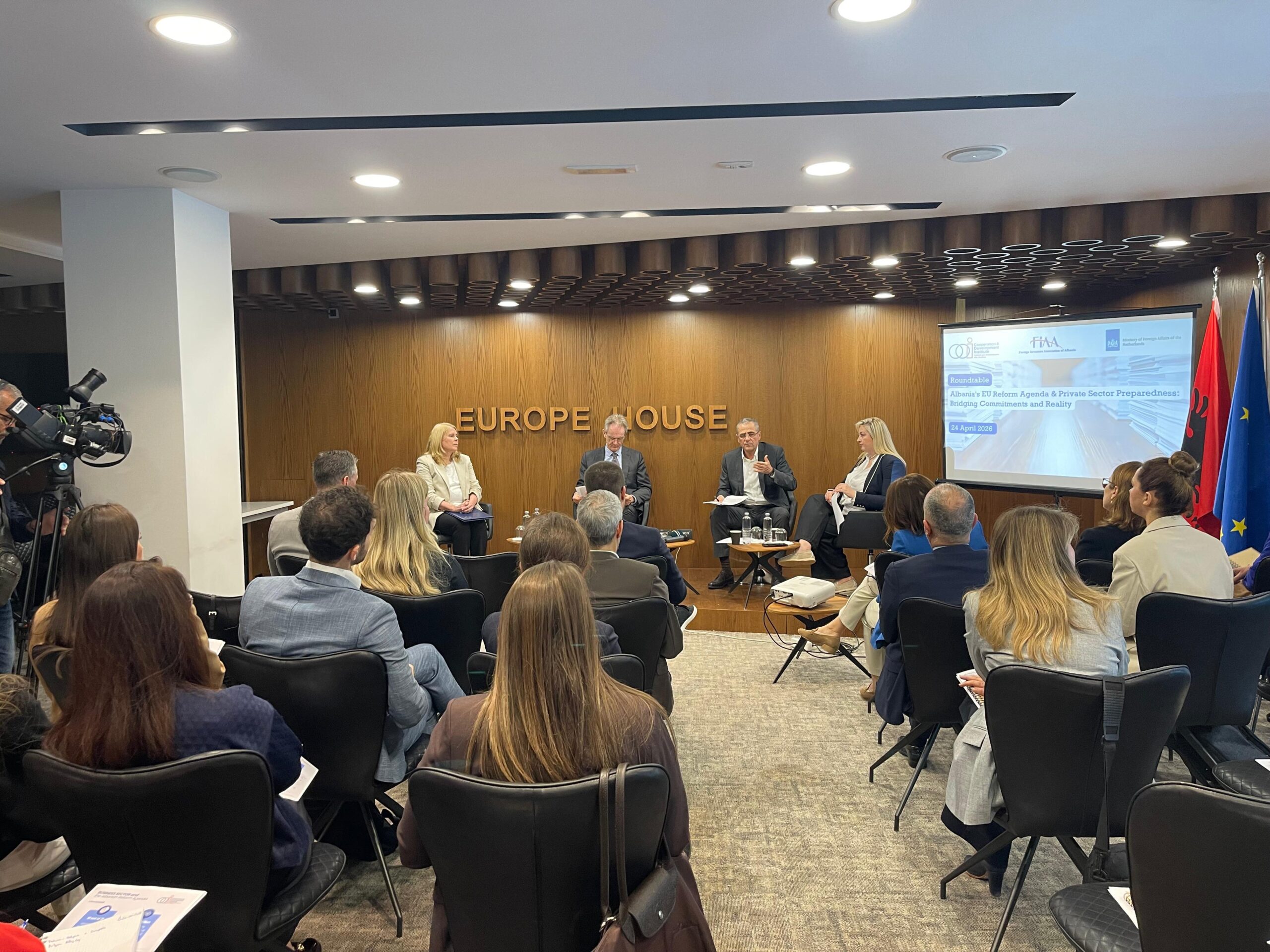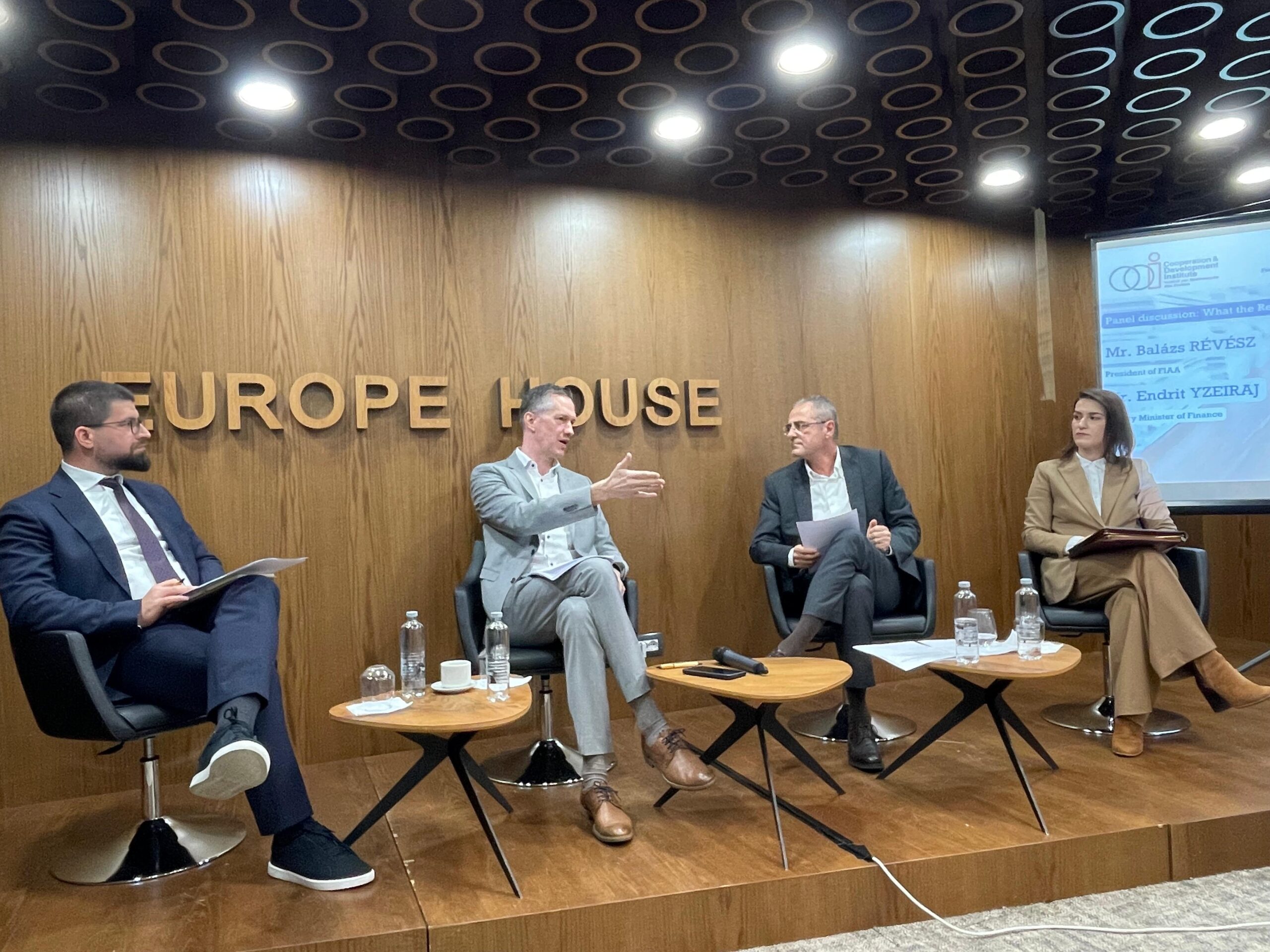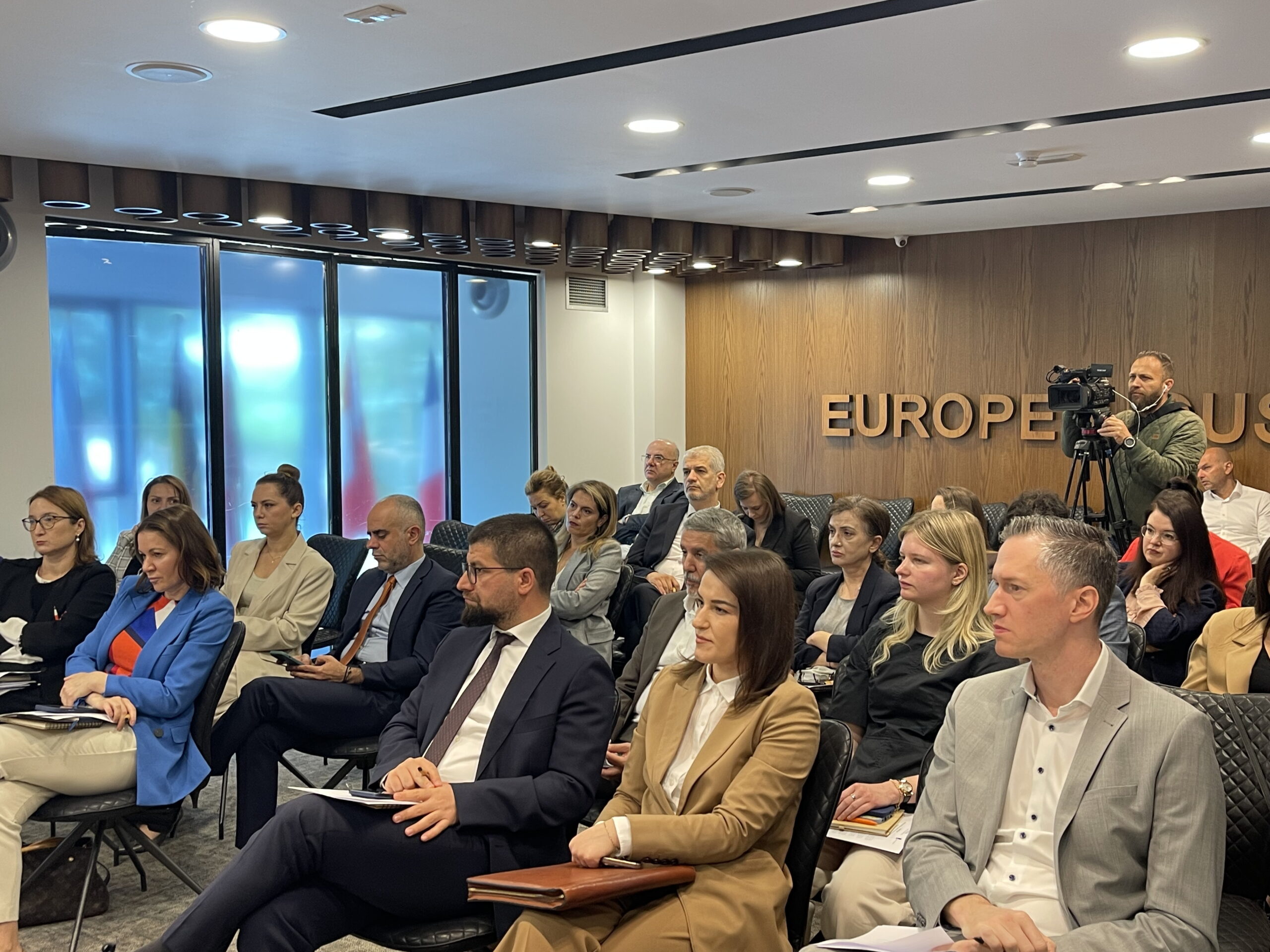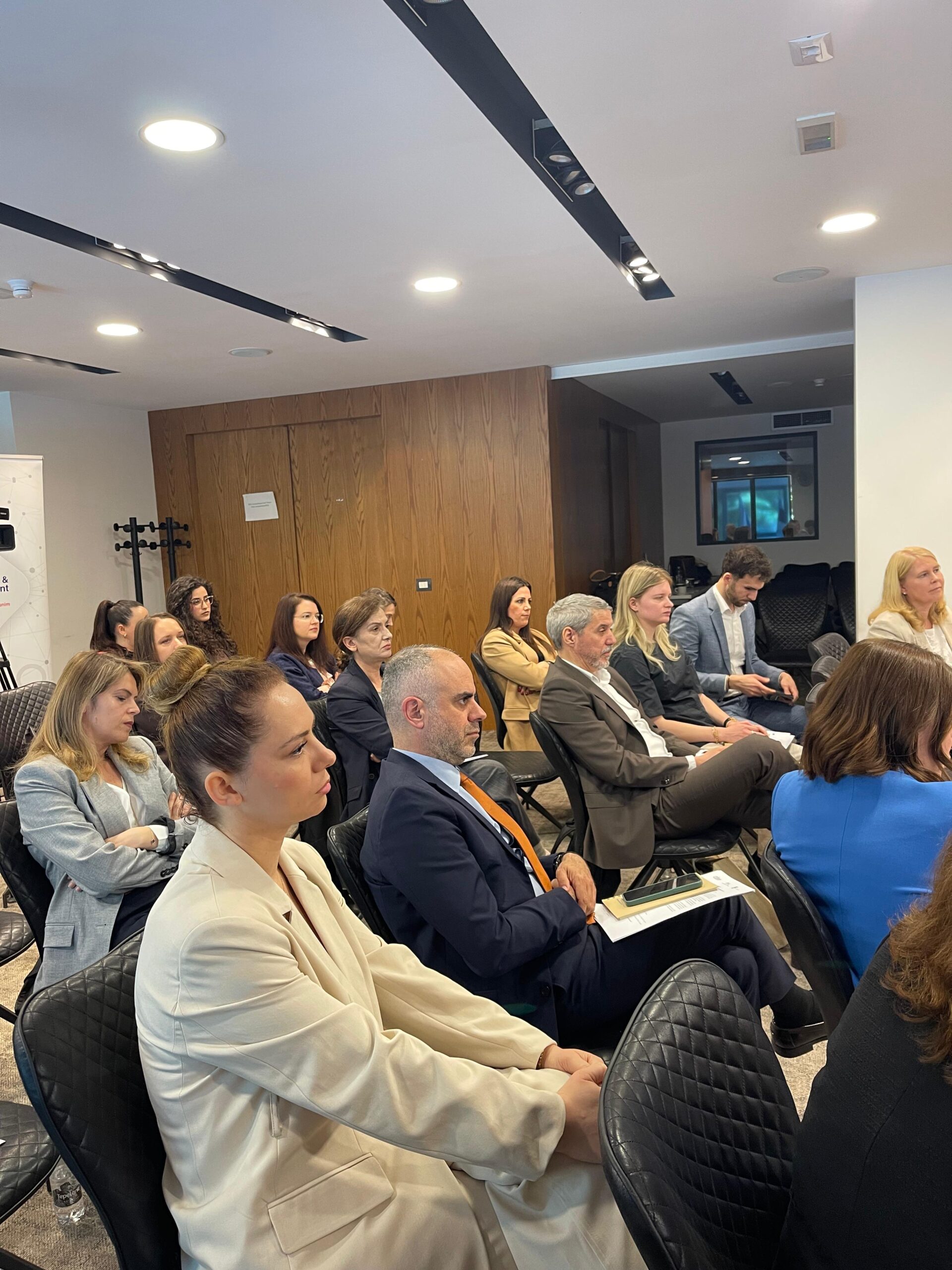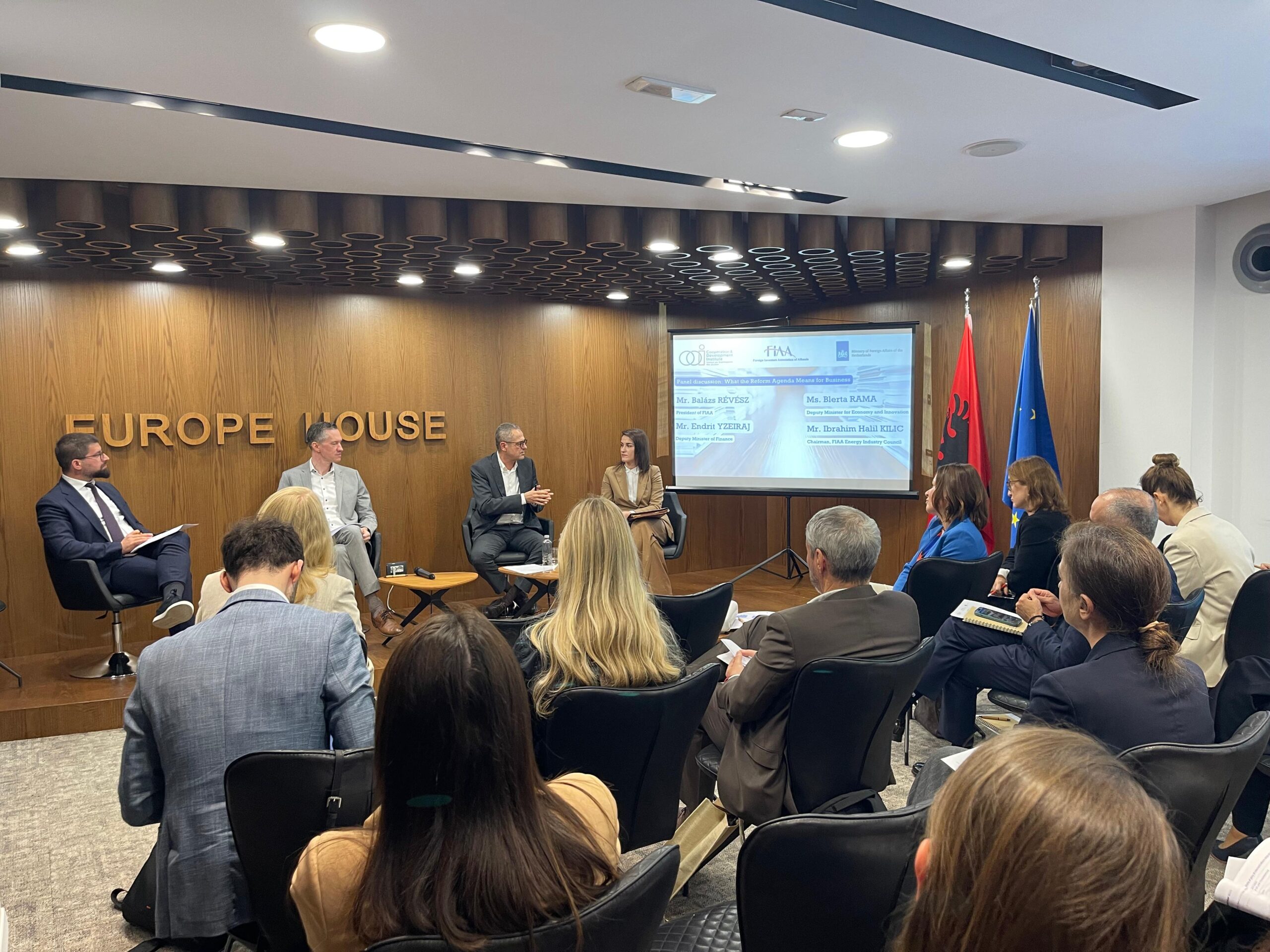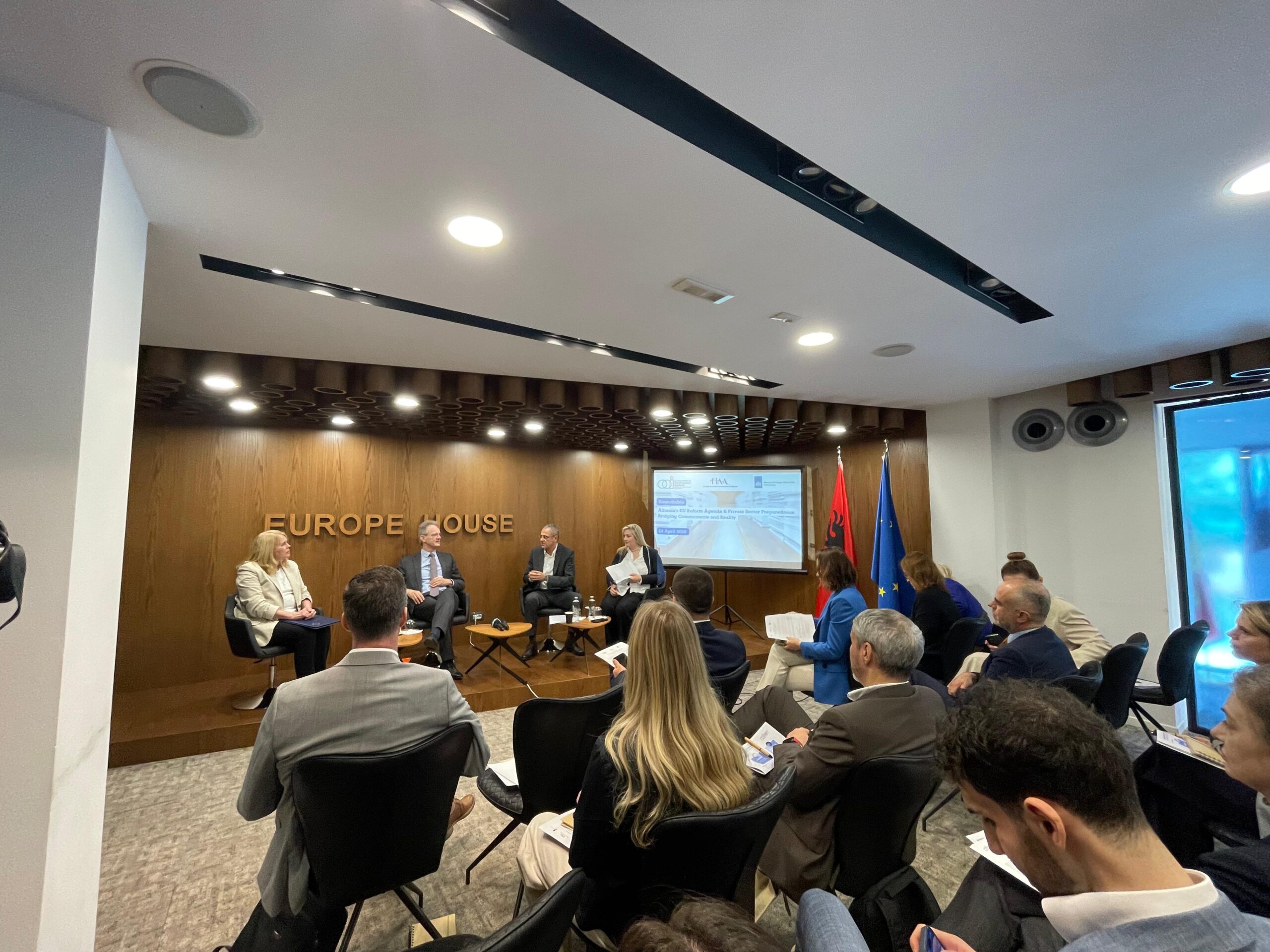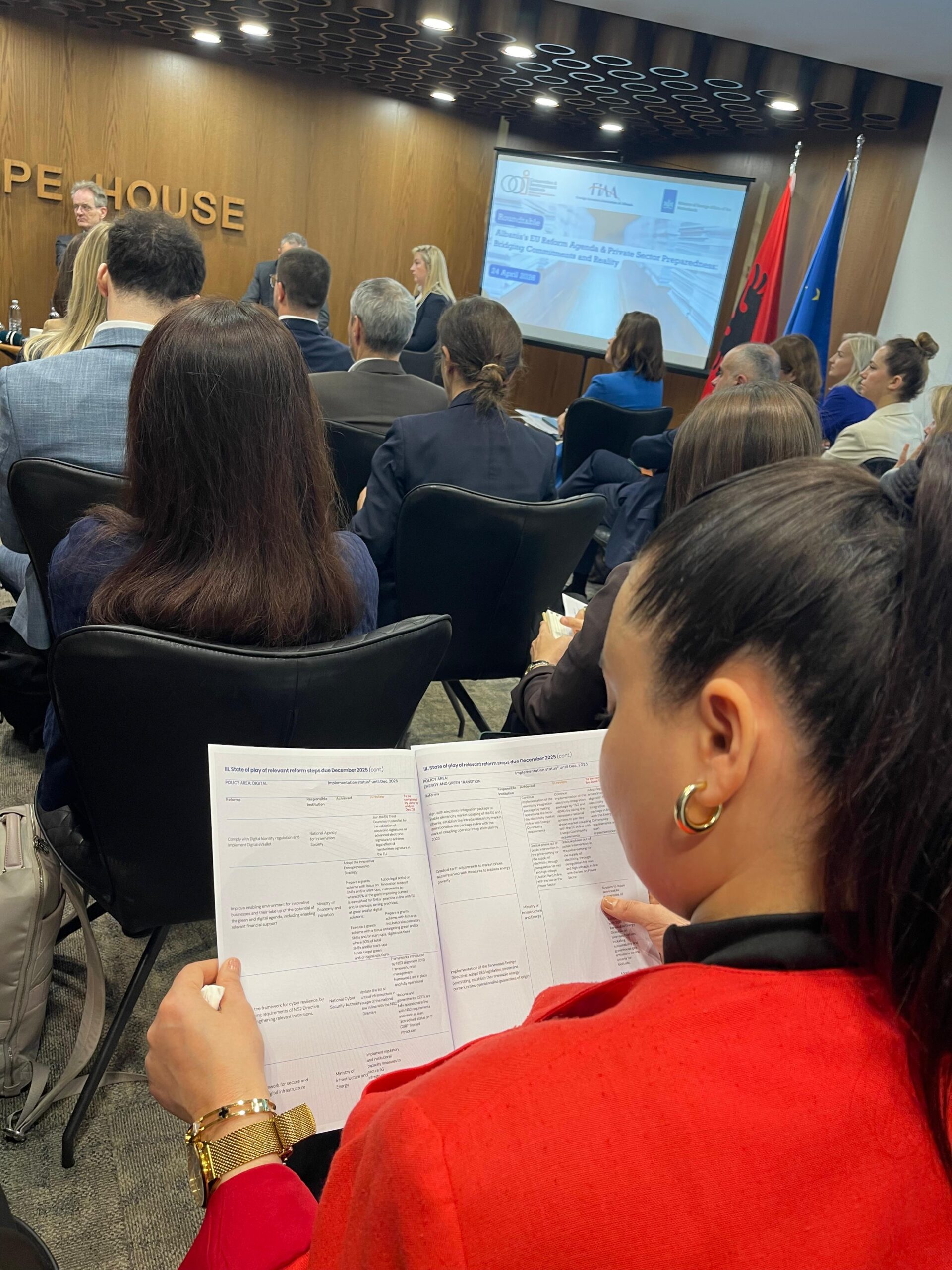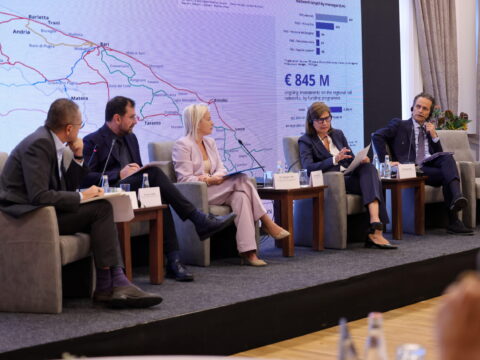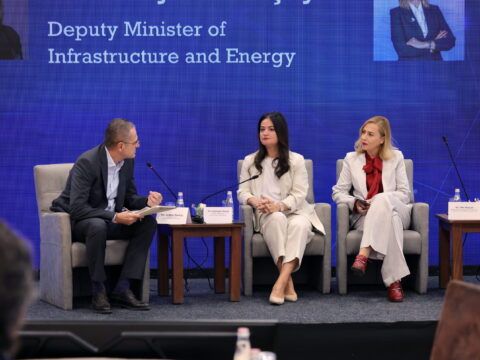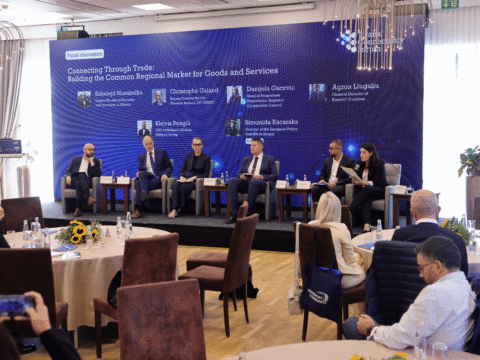


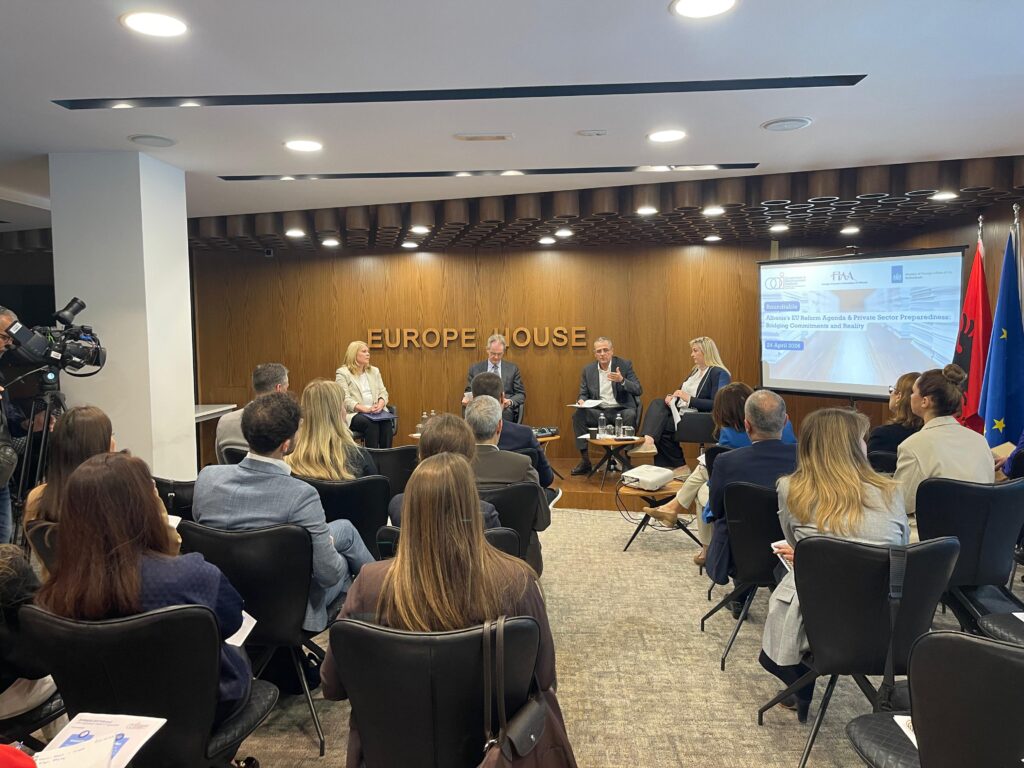
Tirana, 24 April 2026 | Targeting 2030 as EU membership deadline, Albanian businesses have a 3–5 year window to align with EU standards. Meanwhile the acceleration of negotiations and of the adoption of Reform Agenda measures has direct implications on their daily operations now. Over that background, the Cooperation and Development Institute (CDI) in partnership with the Foreign Investors Association of Albania (FIAA) and with the support of the Embassy of the Kingdom of the Netherlands, brought together high government officials, EU representatives, foreign companies operating in Albania, and potential investors at a high-level roundtable.
Mr. Ardian Hackaj from CDI, underlined the cost compliance and preparedness efforts required in that phase when Reforms Agenda measures move from adoption to implementation. He pointed out the need to close the “adoption” – “implementation” gap and to turn that urgency into a concrete action plan. This event aim to support private sector voices to engage proactively in the reform agenda.
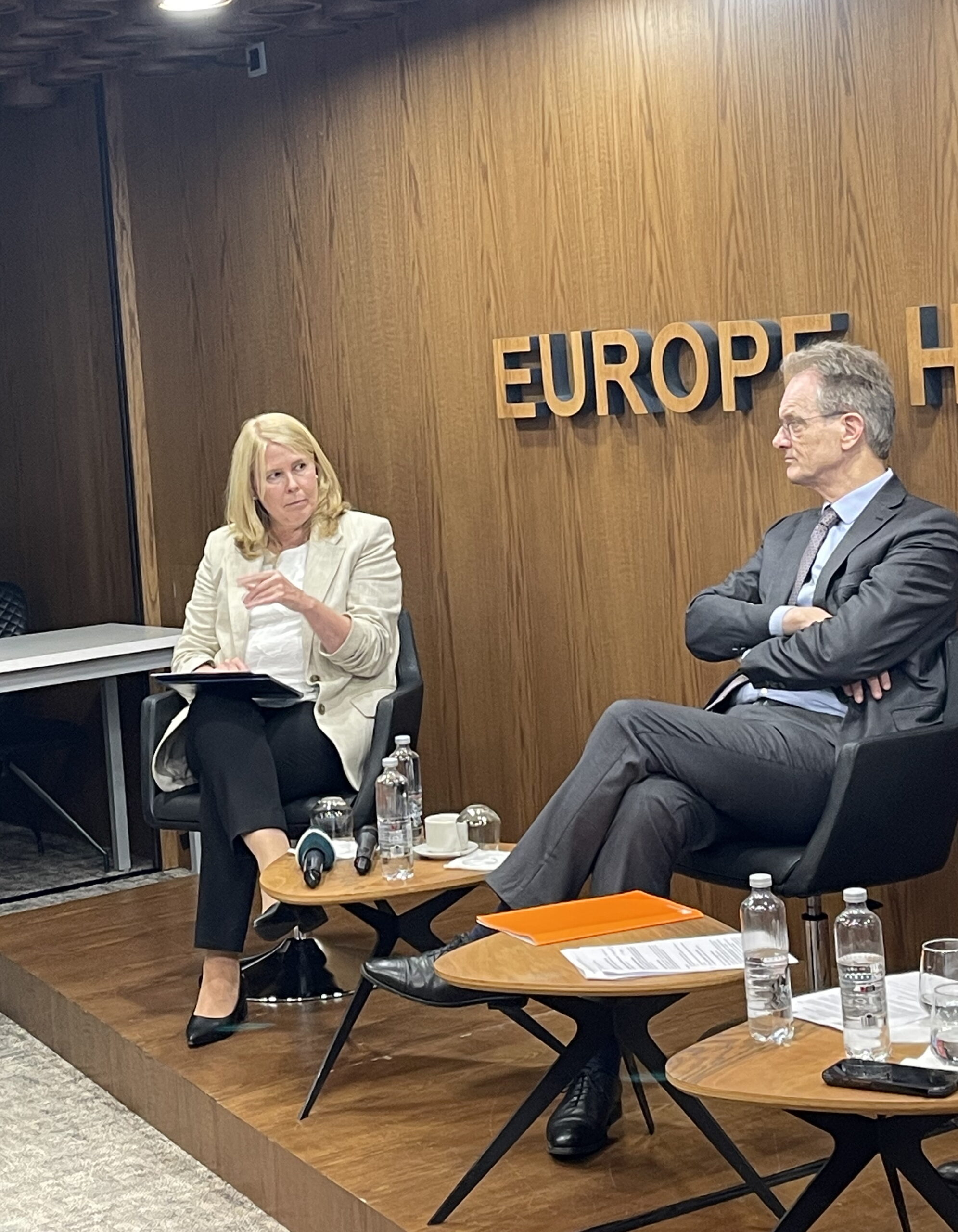
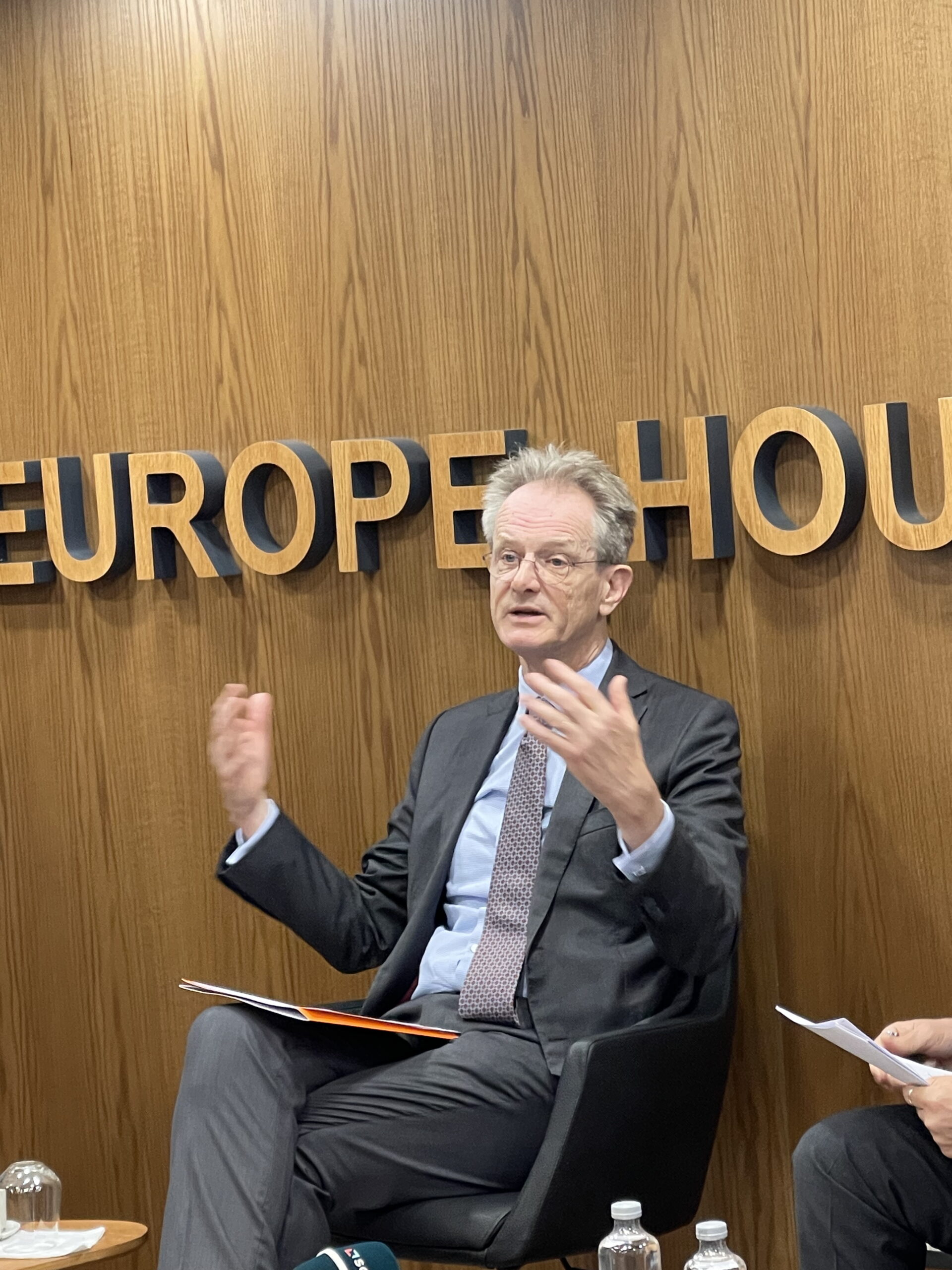
HE Reinout Vos, Ambassador of the Kingdom of the Netherlands, emphasized that beyond the pace of reforms, their quality and consistent enforcement are what build trust: trust that rules are clear, fairly applied, and aligned with EU standards, which in turn signals stability and fairness to investors.
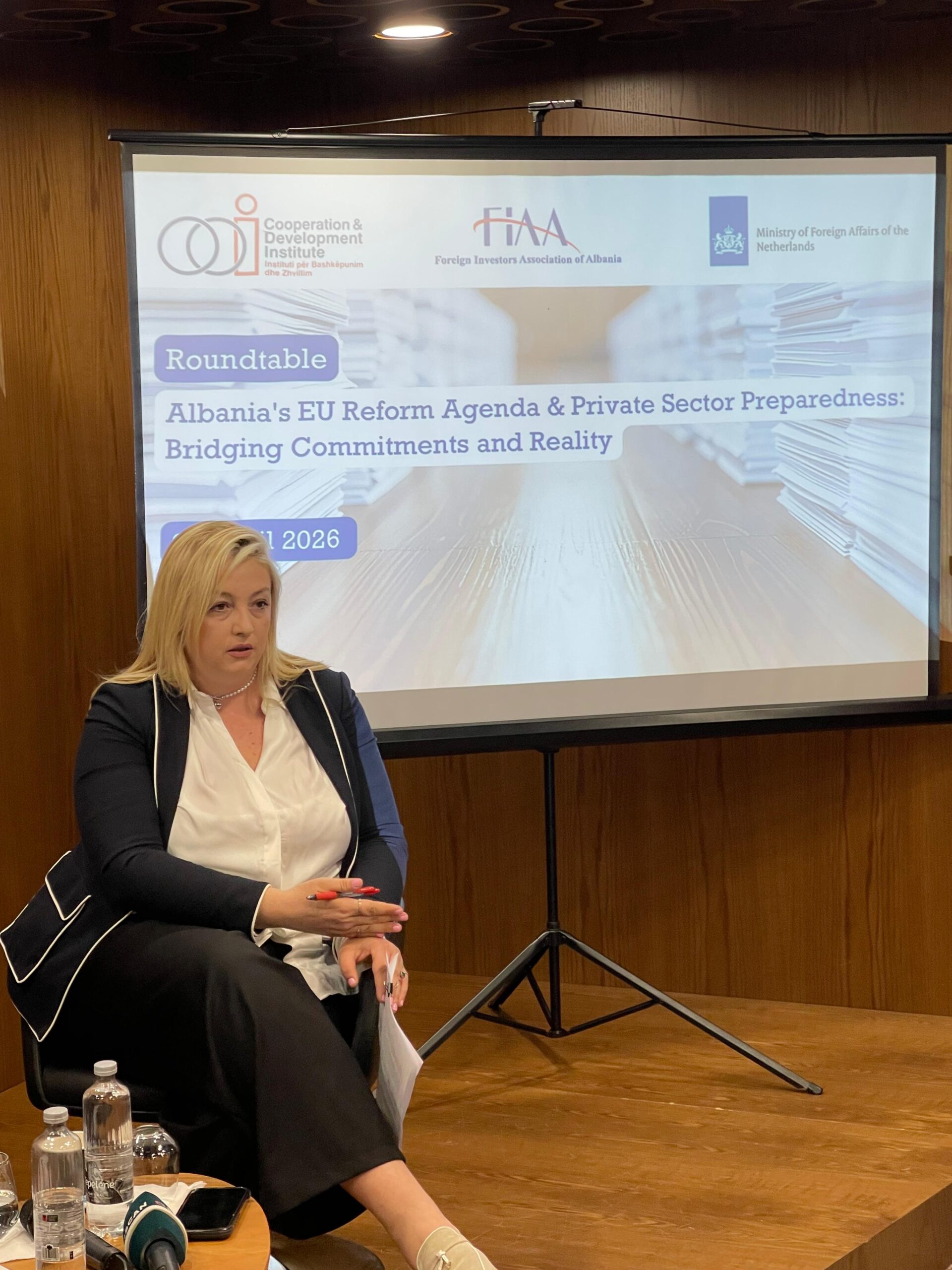
Ms. Lorela Simoni, Head of Reform and Growth Facility National Coordinator Office at SASPAC, noted that 19 out of 31 reforms impact the private sector. They cover regulatory alignment, market access, fiscal compliance, labour conditions, data governance, and digital infrastructure. Ms. Simoni reaffirmed the National Coordinator Office’s commitment to continued dialogue with the business community.
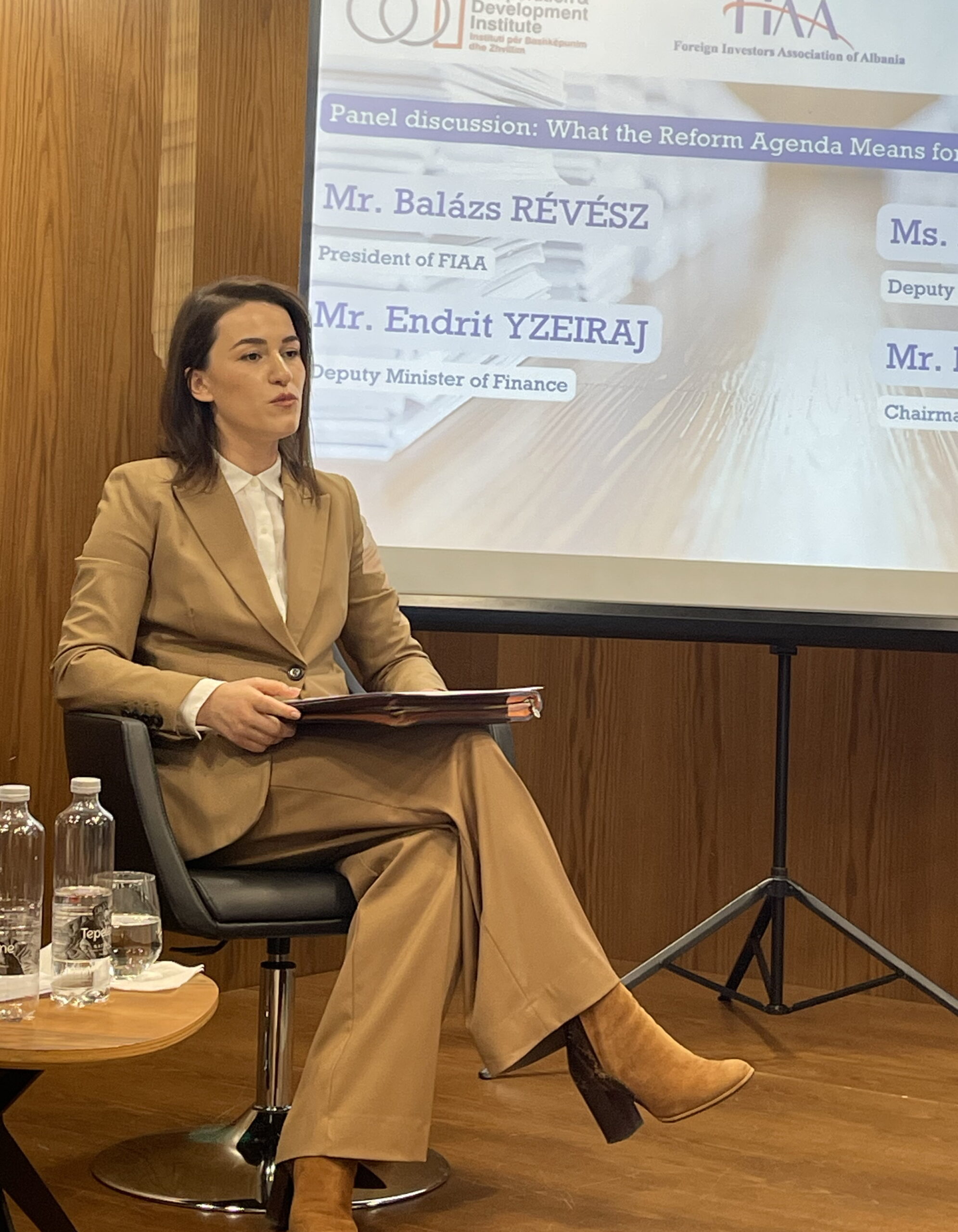
Deputy Minister of Economy and Innovation, Ms. Blerta Rama, noted that in areas such as company law, alignment with EU standards is expected by 2027. Albania’s Reform and Growth Agenda touches 19 of 31 EU reform pillars affecting the private sector, from tax compliance and labour law, to data governance and digital infrastructure. With EU membership targeted for 2030, alignment in areas such as company law is expected as early as 2027. To support this transition, the Ministry is developing a detailed national strategy to map out investment needs, compliance costs, and support measures for the private sector.
Bringing in the EU perspective, Ms. Ritva Heikkinen, Head of Cooperation at the EU Delegation to Albania stressed that the EU Growth Plan was designed precisely to close the gap between legislative alignment and real economic integration, while supporting stronger institutions, rule of law, skills development, and the digital and green transition. In those dynamics, the consultation and engagement of business partners is an essential benchmark.
Mr. Balázs Révész, President of FIAA identified three priorities for the private sector: (i) alignment – as in a transparent consultation processes, realistic timelines, and effective feedback mechanisms; (ii) awareness – as in clearer communication so businesses understand obligations, standards, and deadlines; and (iii) readiness – as in moving from a penalty-driven culture toward a partnership model between institutions and enterprises. Révész underlined for a proper mechanism to channel sector-specific business recommendations into relevant reform pillars and negotiation process, emphasizing that compliance works best when institutions and companies solve problems together.
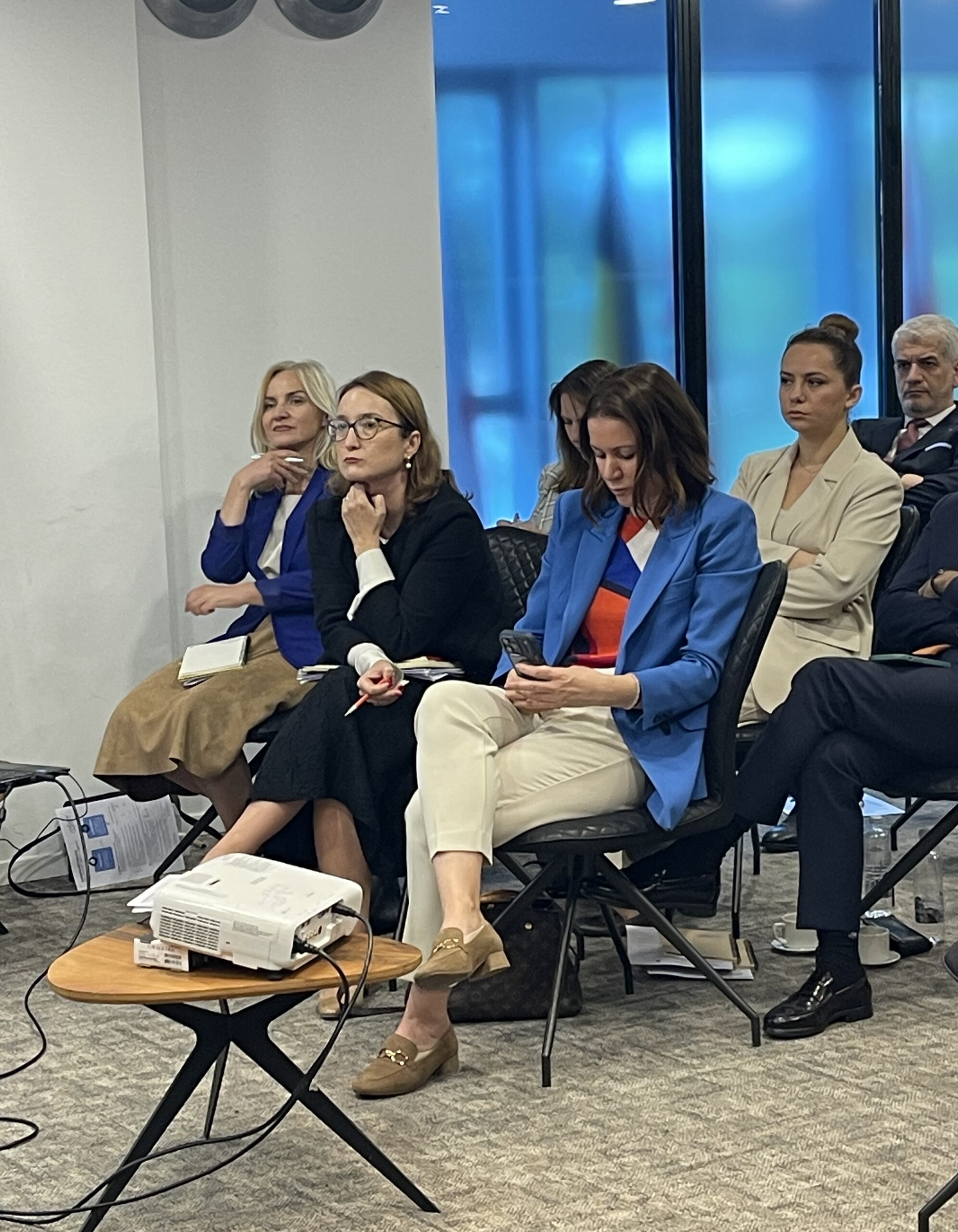
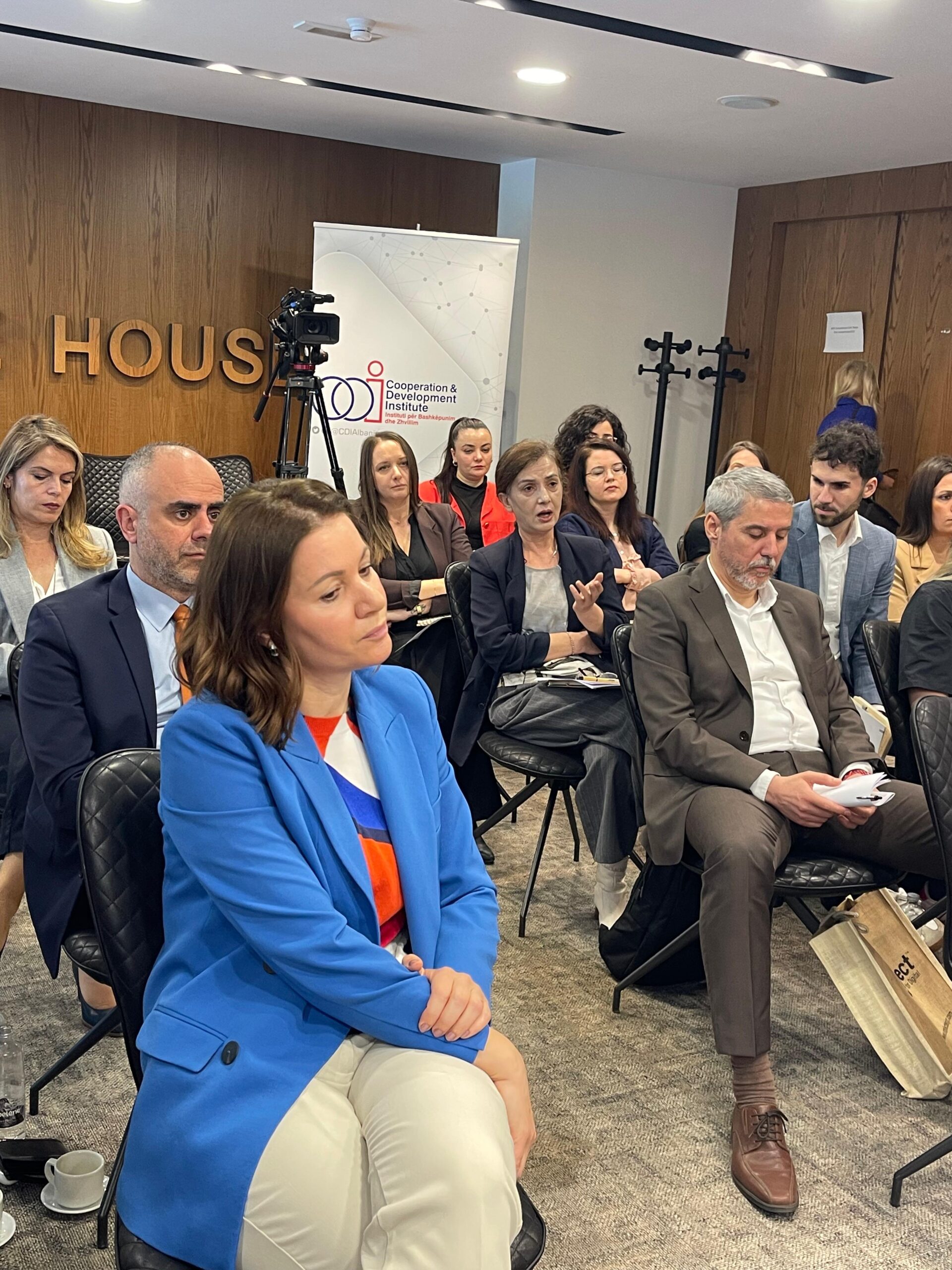
During the lively debate, the above priorities were widely supported by representatives of different businesses (Statkraft, Voltalia, Intracom, etc) that were present in the audience.
CDI independently monitors reform implementation and translates policy developments into evidence-based guidance businesses can act on. Through its Reform Tracker and in cooperation with FIAA, CDI provides information tailored to business needs. Through its Memorandum of Understanding with SASPAC / RGF Coordinator it contributes in making heard the voice of reform agenda beneficiaries.