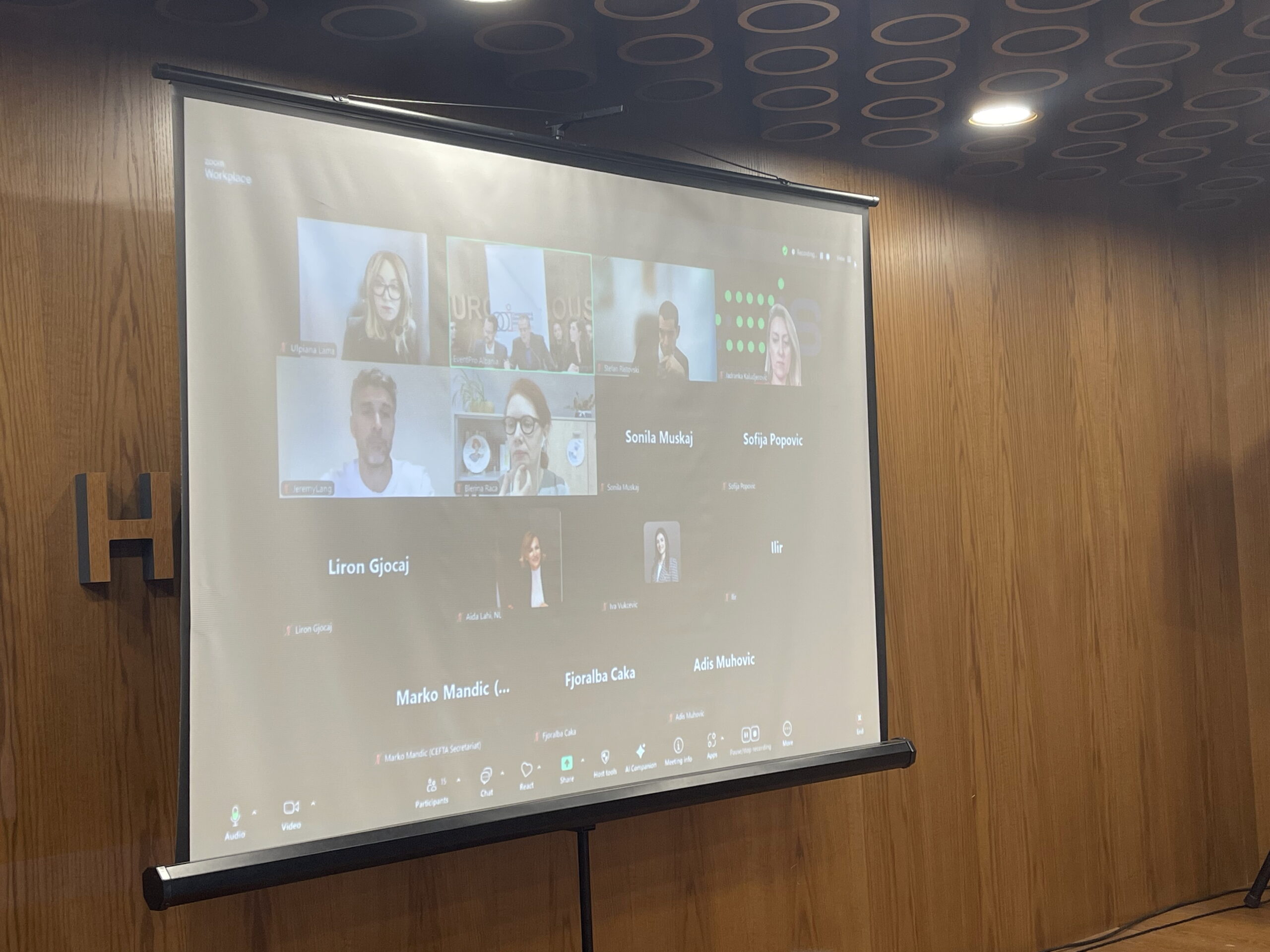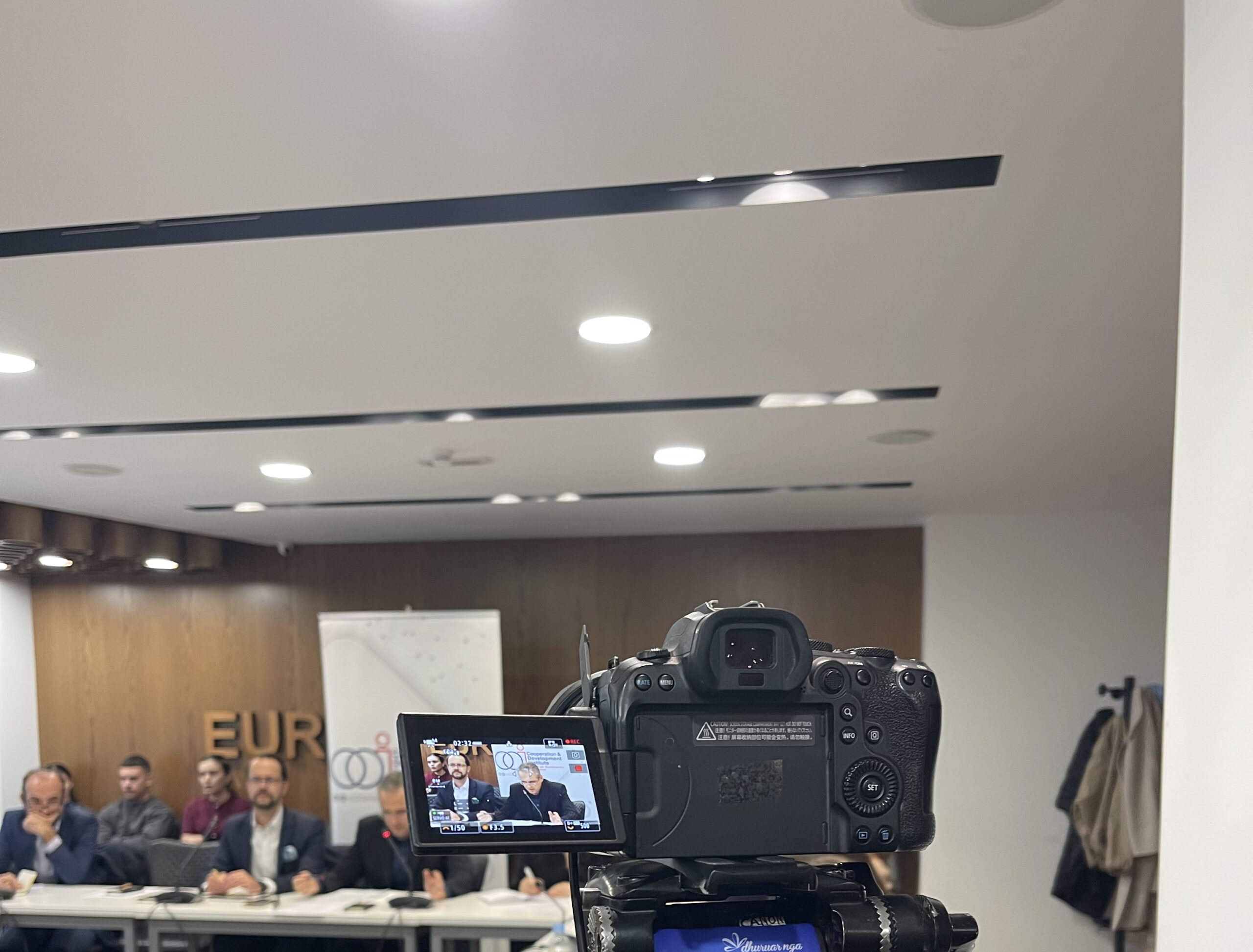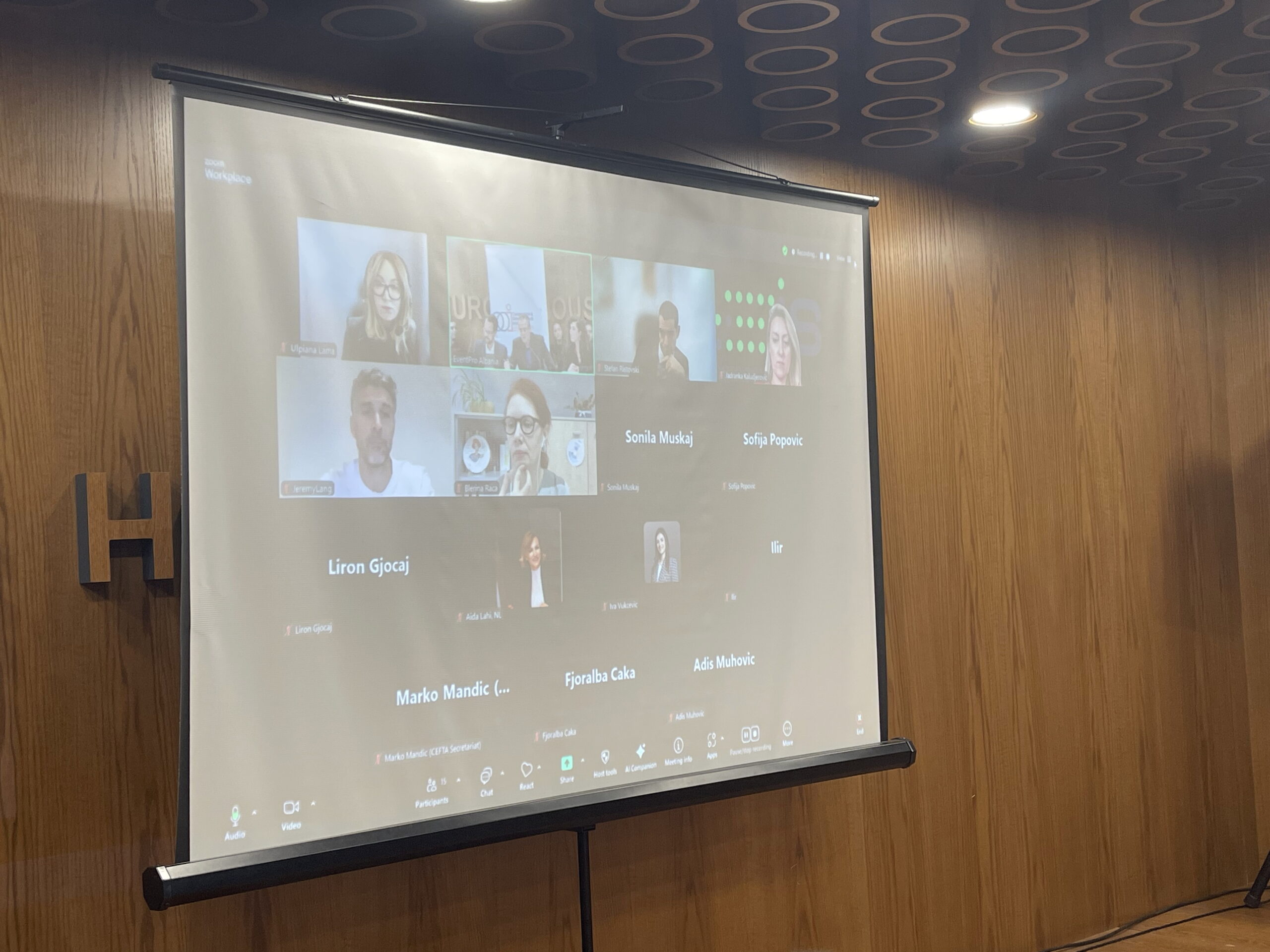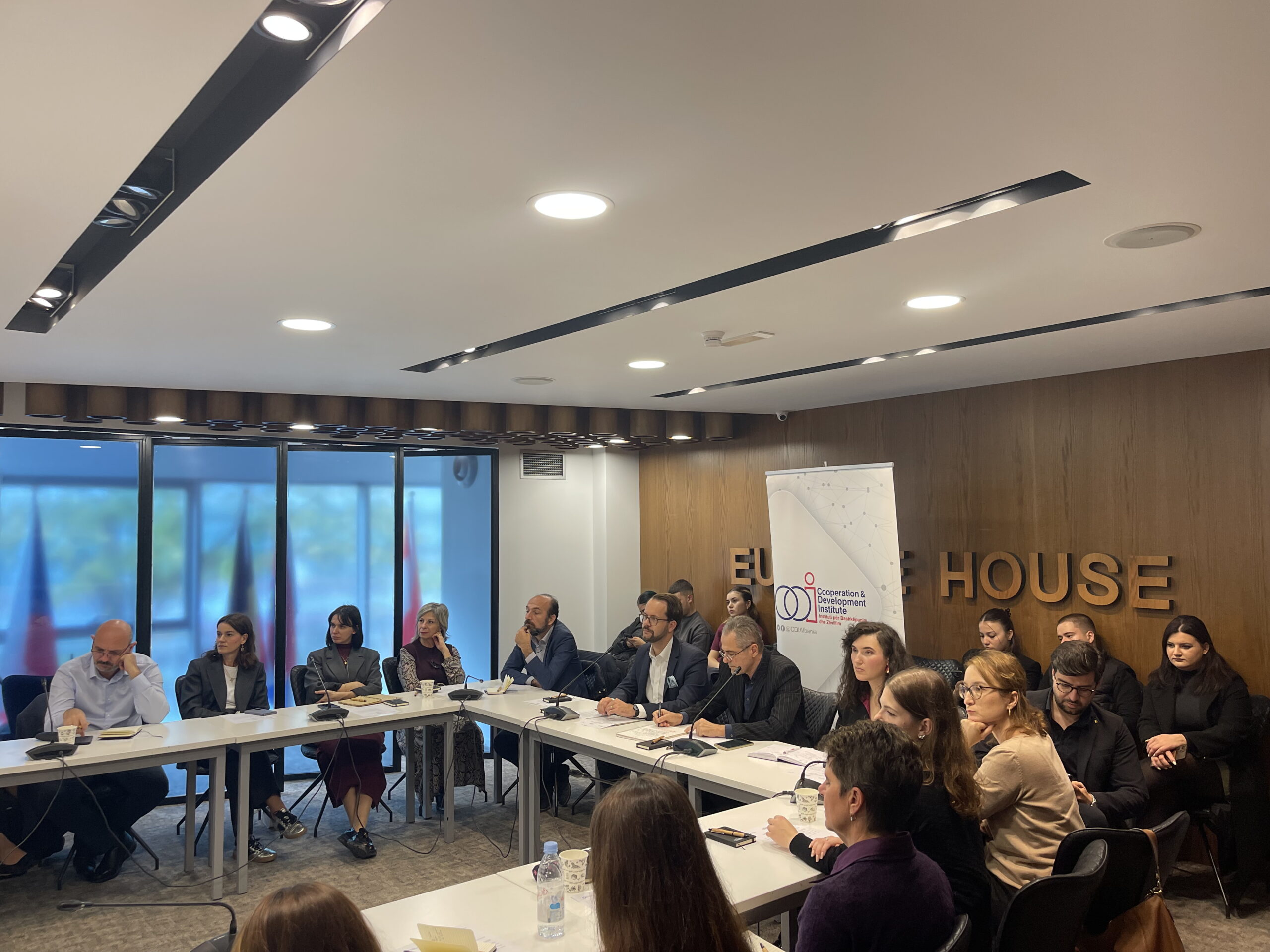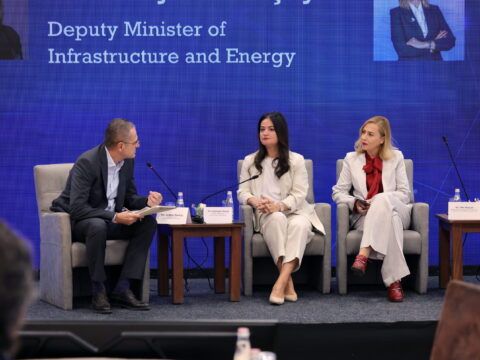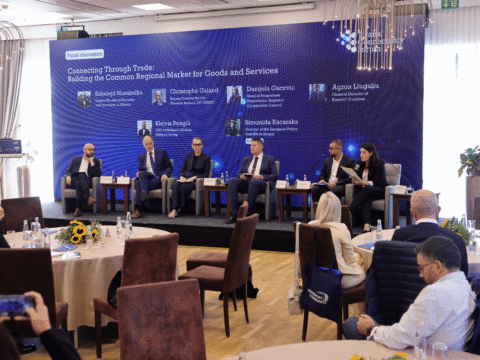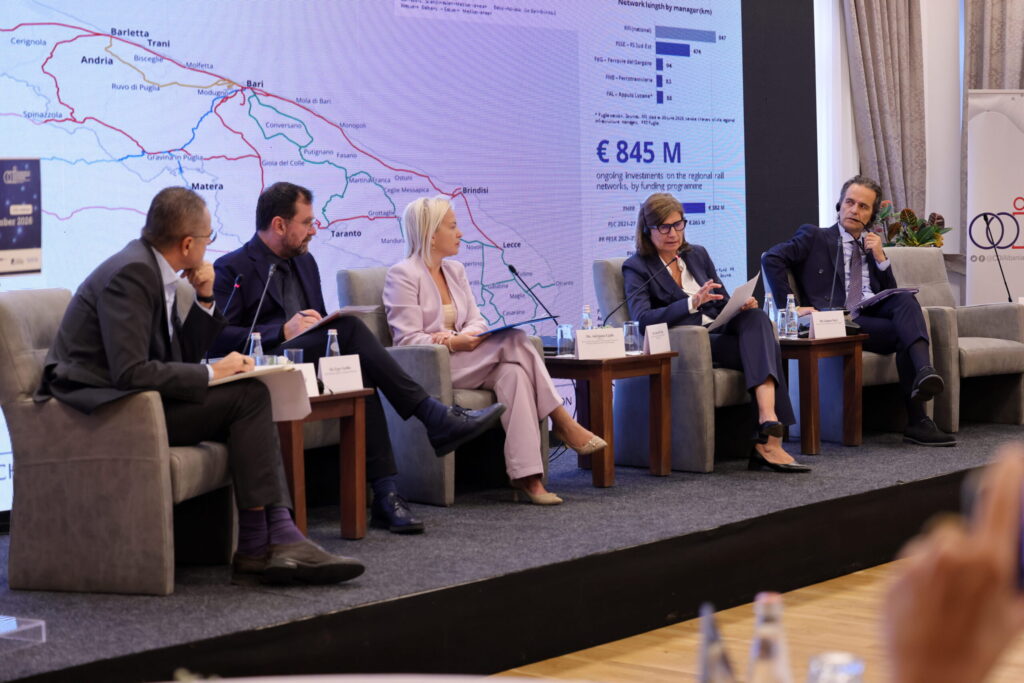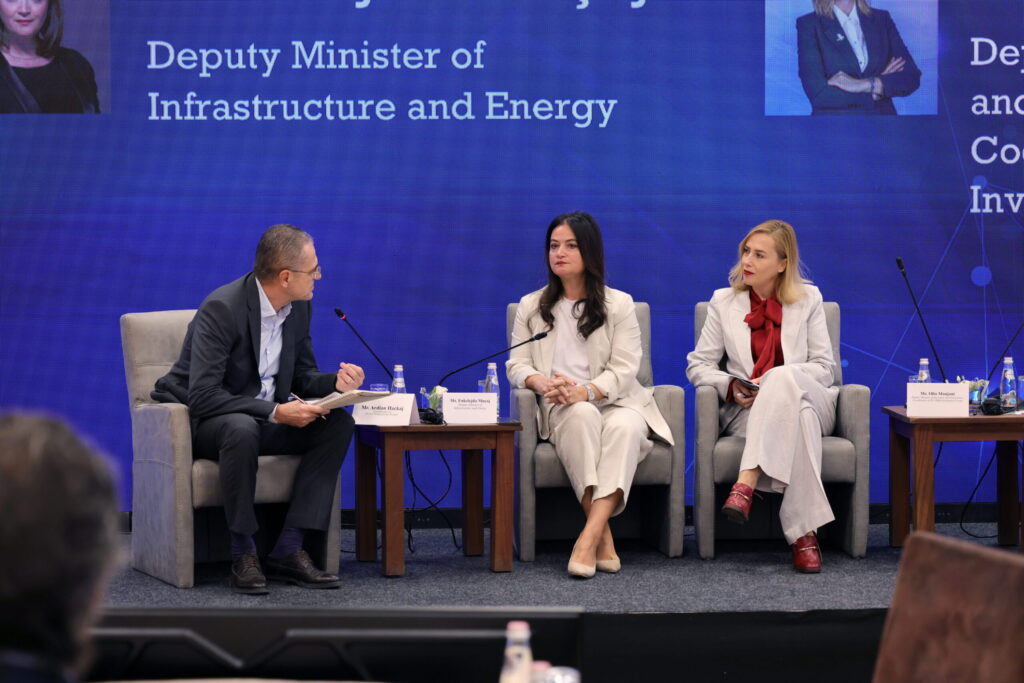


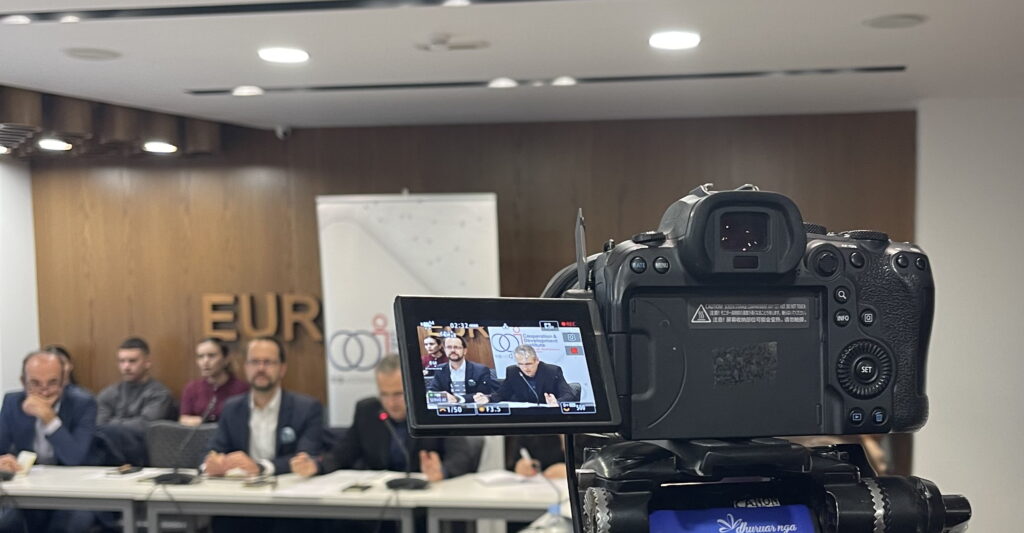
Tirana, 7 November 2025 | Organized after the Berlin Process Leaders’ Summit in London, the roundtable “SEE6 Civil Society in the Common Regional Market convened policymakers, diplomats, regional cooperation organizations, civil servants, academia and civil society to share the take aways of the London Summit and bring in the CSO take on regional integration.
Ardian Hackaj from CDI highlighted the performance-based traits shared amongst the methodology of the Berlin Process and the European Union’s Growth Plan. He emphasized that the core, performance-based logic of the Berlin Process – being result-oriented and focused on deliverables – is similar with the EU’s Growth Plan and the upcoming MFF 2028 – 2034. This alignment validates the strategic direction of the Berlin Process and creates a cohesive framework for regional cooperation and EU integration reforms are in synergy. He underscored the initiative’s concrete achievements, including the role that CDI-developed “Semaphore system” – a crucial monitoring tool for tracking the implementation of regional agreements; has had on the Growth Plan Reform Tracker.
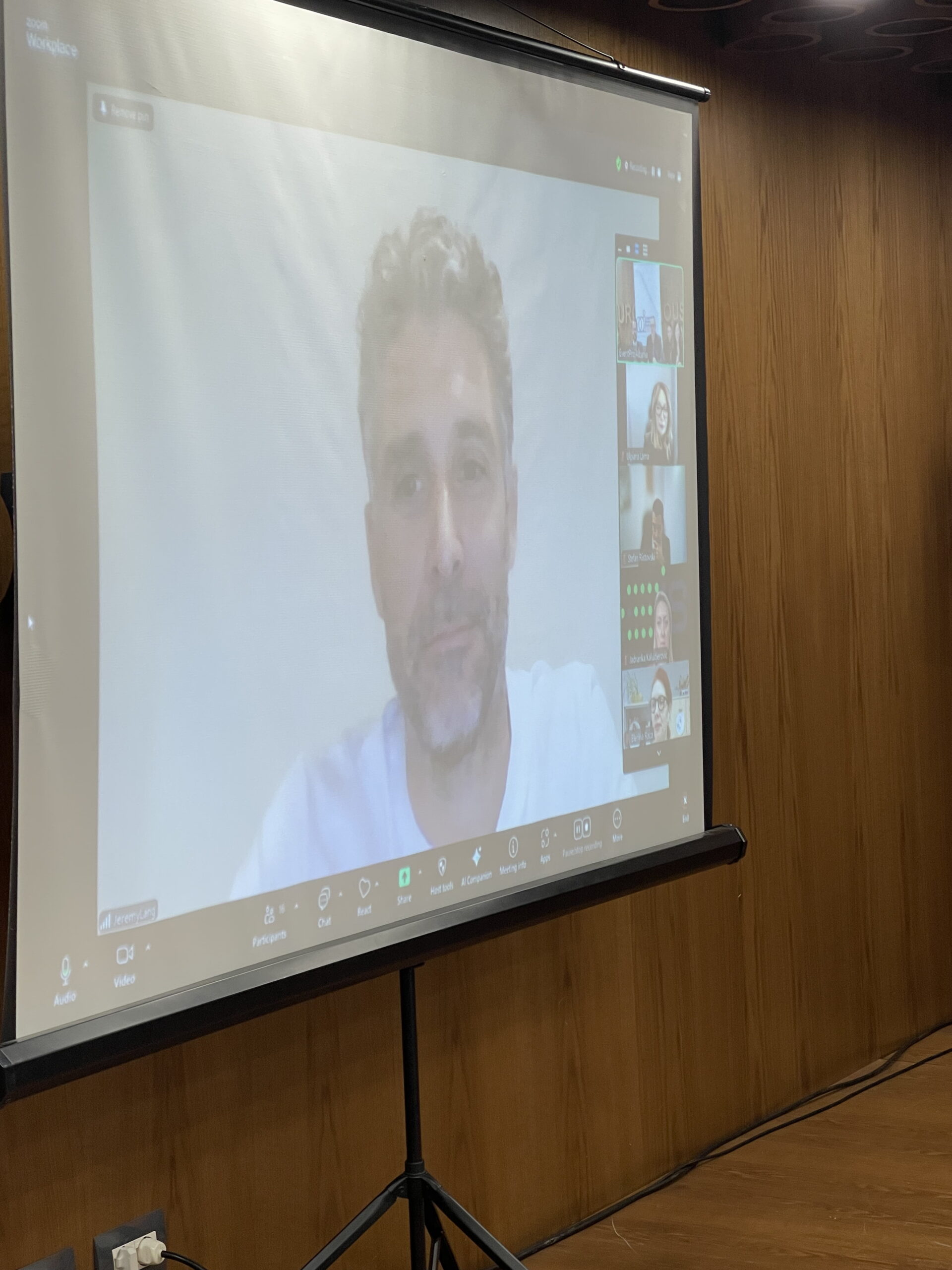
Jeremy Lang coordinator of the Civil Society Forum at the British Council, credited the Forum’s influence on official Summit conclusions to the production of practical, well-timed, and high-quality recommendations. However, while civil society’s voice was heard, its involvement could be improved by starting the process earlier and ensuring representation at all ministerial meetings. His key recommendation was for SEE6 civil society to consistently demand a place at the table, acting as partners in policy design, monitoring, and implementation.
Thilo Schroeter, Chargé d’Affaires of the German Embassy to Albania, underscored the importance of reinforcing regional ownership of the Berlin Process, welcoming Montenegro’s upcoming chairmanship of the Summit as a pivotal step in this direction. He reiterated that the Berlin Process is a stepping stone towards EU accession, not a substitute for it, with its initiatives directly contributing to that goal. As a key example, he pointed to the contribution of Mobility Agreements on the alignment of social and labour policies with EU standards. He affirmed Germany’s unwavering commitment to the region, highlighting its continued financial support for projects focused on climate action, youth cooperation, and civil society.
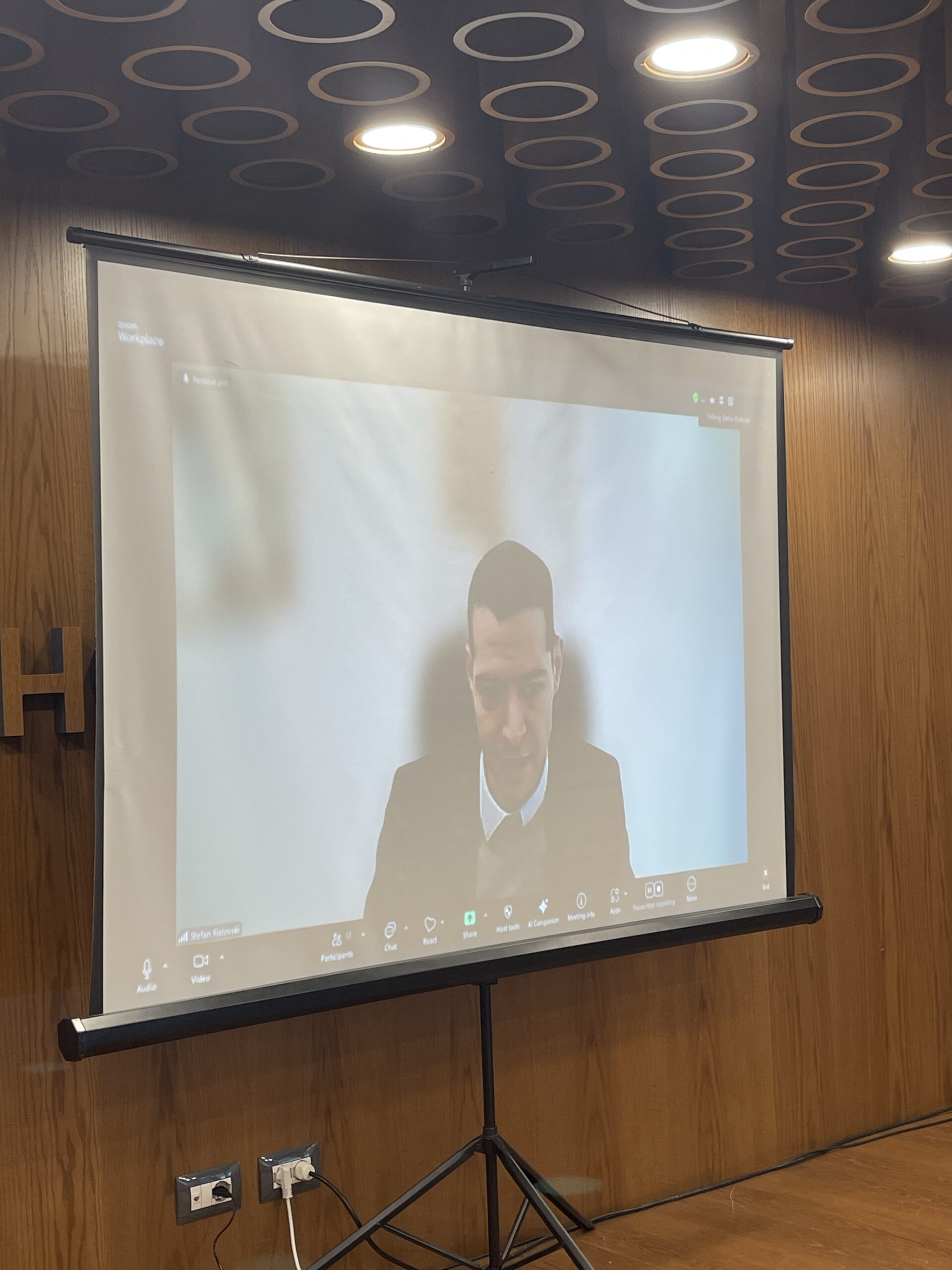
A technical panel examined the state of CRM implementation. Stefan Ristovski from the European Policy Institute – Skopje emphasized that civil society is key to translating complex policies into public understanding. While consultations with regional bodies have improved, he noted that “political ownership is uneven across countries” and urged governments to open decision-making structures to civil society.
Marko Mandic of the CEFTA Secretariat pointed out that delays in national ratifications are slowing the impact of new trade decisions. He highlighted the foundational technical work being undertaken, including digital systems for data exchange, as crucial for building trust and facilitating paperless trade. He then added that the EU Growth Plan formally links CEFTA’s work with the EU accession process.
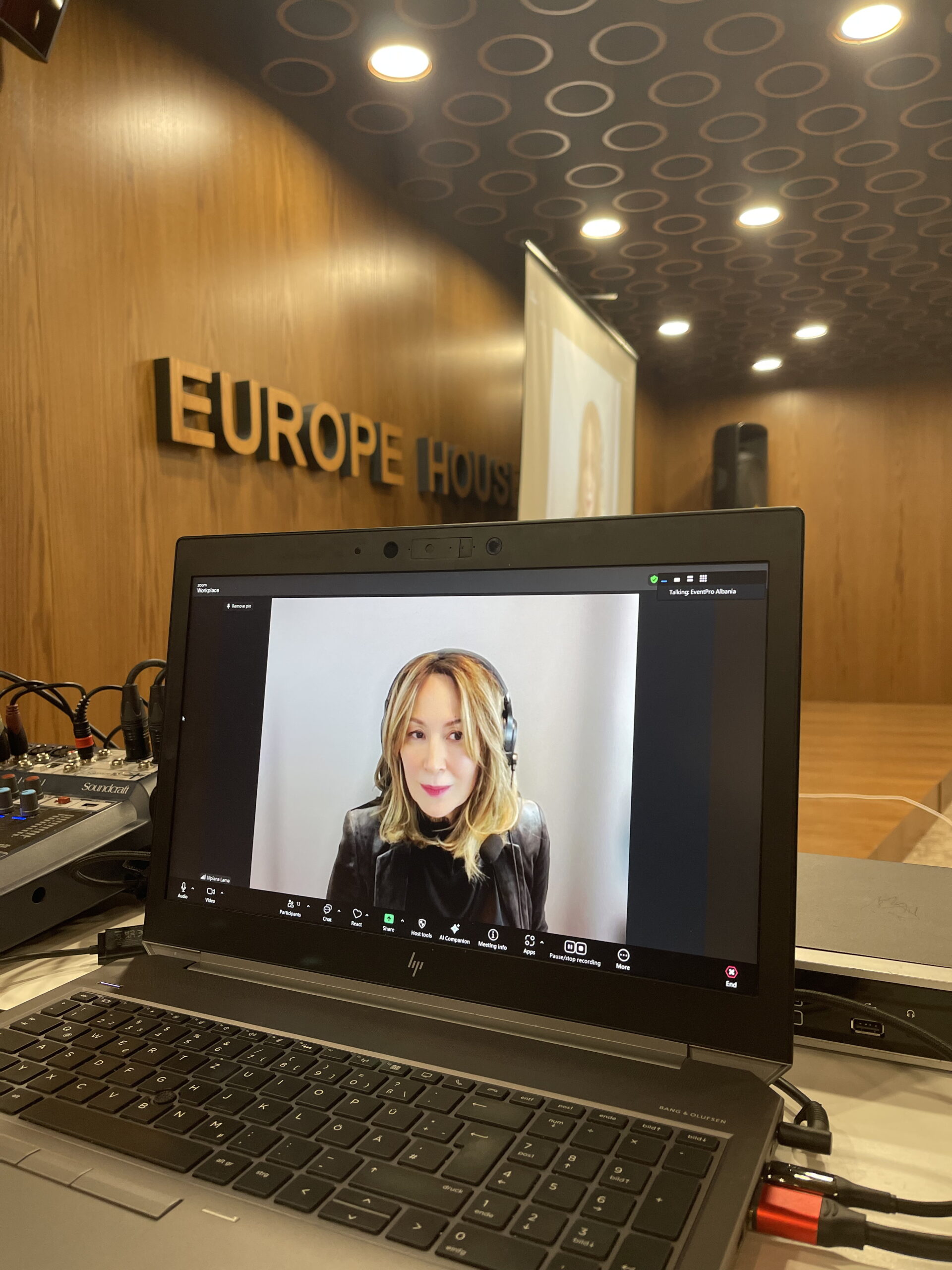
Concluding the panel, Ulpiana Lama from the Regional Cooperation Council (RCC), framed the 15 new deliverables under the CRM Action Plan through a human capital lens, focusing on developing people’s capabilities through education, skills, and mobility. She explained that the measures, from financial literacy to social rights, are designed to make regional cooperation a tangible reality in citizens’ lives. Finally, she positioned civil society as a crucial part of the cooperation infrastructure, responsible for monitoring implementation and ensuring a cultural shift towards transparency and shared responsibility.
The roundtable ended with a shared call for deeper partnerships, reinforcing that civil society is indispensable for turning regional cooperation mechanisms into concrete improvements in the lives of Western Balkans citizens.
The roundtable “SEE6 Civil Society in the Common Regional Market” was organized by CDI in the frame of its initiative “Channeling SEE6 Civil Society contribution to the Common Regional Market and Berlin Process” implemented in partnership with the German Federal Foreign Office.